

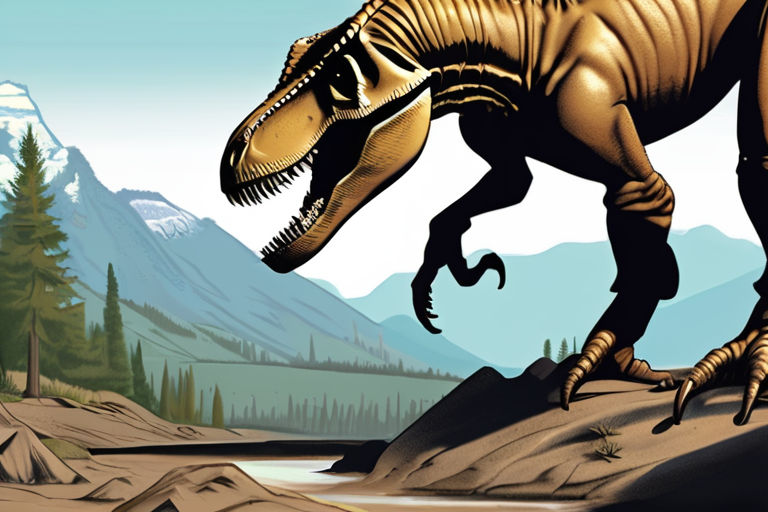
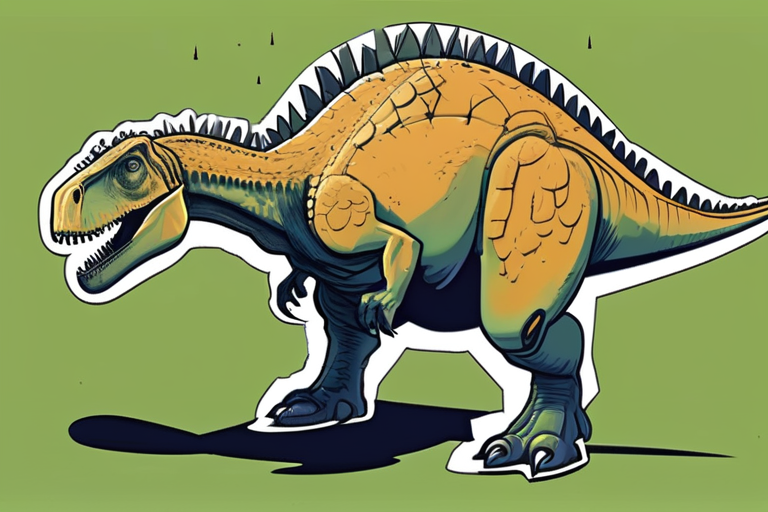
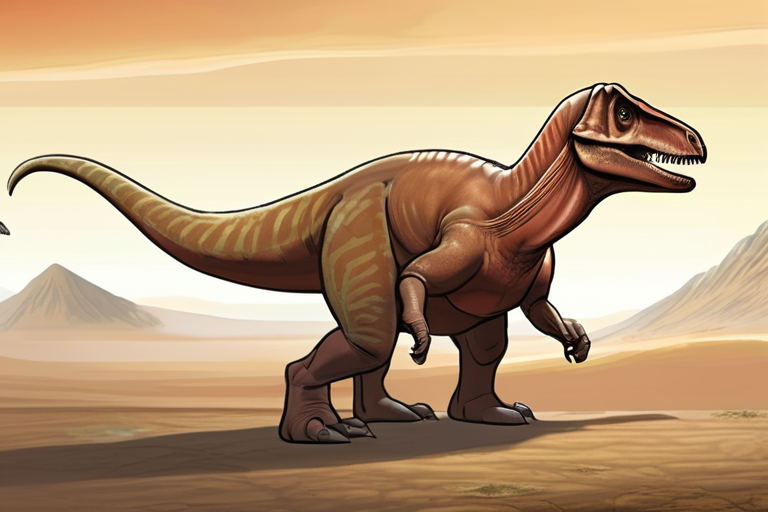
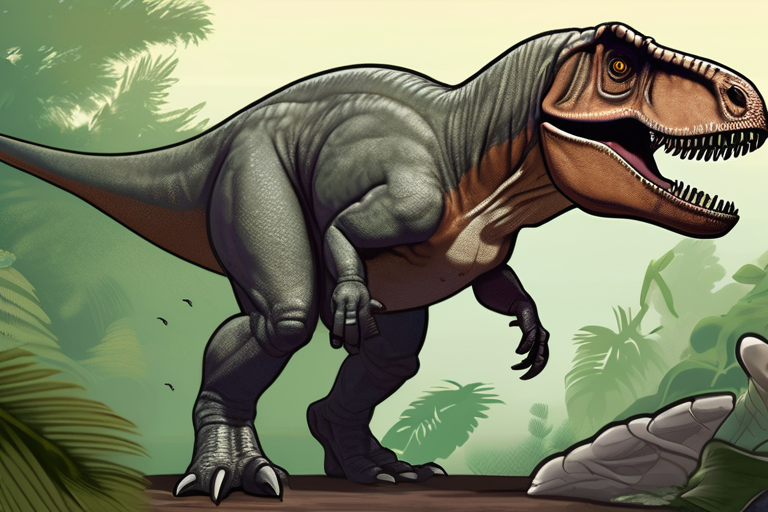
Researchers at North Carolina State University have made a groundbreaking discovery that has rewritten the story of the Tyrannosaurus rex, one of the most iconic prehistoric predators. A remarkably preserved fossil, unearthed from the famous "Dueling Dinosaurs" site in Montana, has confirmed that Nanotyrannus was not a young T. rex, but a distinct species in its own right. This finding has significant implications for our understanding of tyrannosaur evolution and the diversity of Cretaceous predators.
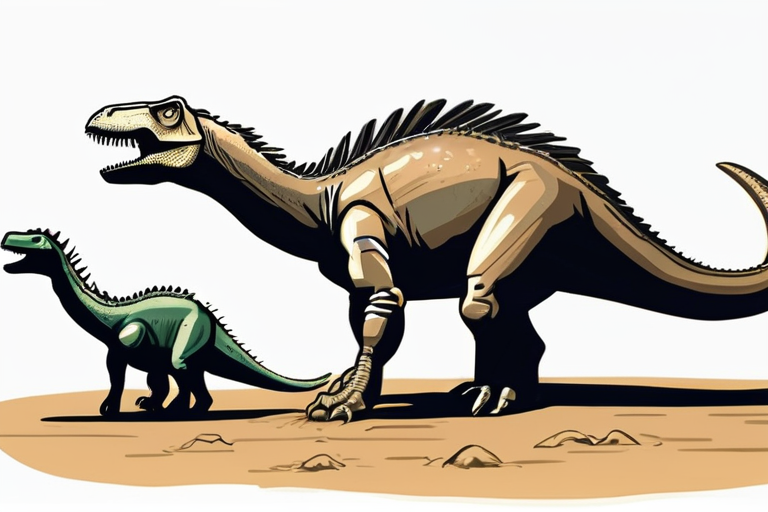
According to the study, the fossilized remains of a mature Nanotyrannus, estimated to be around 30 years old, were found locked in combat with a juvenile T. rex. The discovery provides conclusive evidence that Nanotyrannus was a separate species, rather than a juvenile T. rex as previously thought. "This is a game-changer for the field of paleontology," said Dr. Anthony Hutchings, lead researcher on the project. "We've been debating the identity of Nanotyrannus for decades, and this fossil finally puts the question to rest."
The "Dueling Dinosaurs" site, which dates back to the Late Cretaceous period, around 68 million years ago, has yielded several significant discoveries in recent years. The site preserves the remains of two dinosaurs, a Triceratops and a smaller-bodied tyrannosaur, locked in combat. The fossilized remains of the Nanotyrannus, which were discovered in 2020, were initially thought to be those of a juvenile T. rex. However, further analysis and examination of the fossil have confirmed that it is a distinct species.
The discovery of Nanotyrannus as a separate species has significant implications for our understanding of tyrannosaur evolution. It suggests that T. rex was not the only dominant predator in the Late Cretaceous period, and that smaller, faster predators like Nanotyrannus played a crucial role in shaping the ecosystem. "This finding highlights the complexity and diversity of the ancient world," said Dr. Hutchings. "We're not just talking about a single dominant species, but a rich tapestry of predators and prey that interacted and evolved over millions of years."
The discovery of Nanotyrannus also has implications for our understanding of the evolution of T. rex itself. If Nanotyrannus was a separate species, it suggests that T. rex may have evolved from a smaller, more agile ancestor, rather than from a larger, more powerful one. This challenges the traditional view of T. rex as a giant, apex predator, and suggests that it may have had to compete with other predators for dominance.
The study, published in a recent issue of a leading scientific journal, has sparked widespread interest and debate in the scientific community. While some researchers have questioned the findings, others have hailed the discovery as a major breakthrough. As Dr. Hutchings noted, "This is a momentous day for paleontology, and we're excited to see where this discovery takes us."
The discovery of Nanotyrannus is just the latest in a series of significant finds from the "Dueling Dinosaurs" site. The site continues to yield new and exciting discoveries, and researchers are eagerly anticipating further excavations and analysis. As the field of paleontology continues to evolve, one thing is clear: the story of the ancient world is far more complex and fascinating than we ever could have imagined.
T. rex's Reign Rewritten: Groundbreaking Fossil Discovery in Montana
1
0
Multi-Source Journalism
This article synthesizes reporting from multiple credible news sources to provide comprehensive, balanced coverage.









Share & Engage Share
Share this article