

China's Failure to Meet Soybean Purchase Commitments Exposes Market Uncertainty
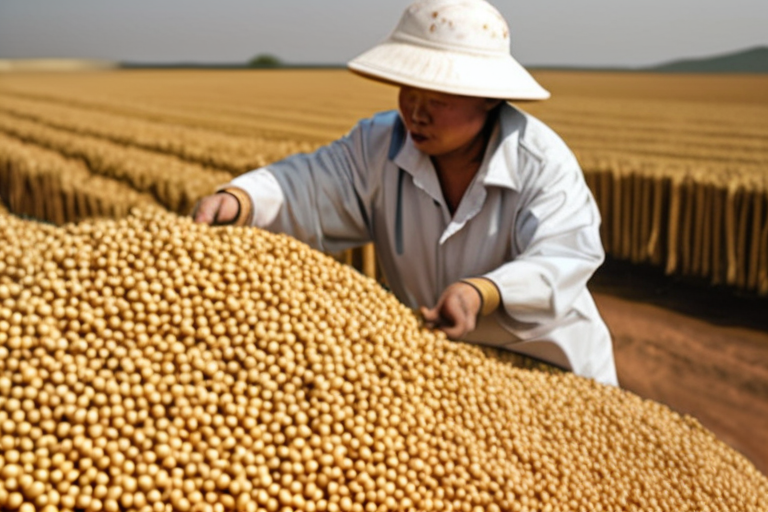
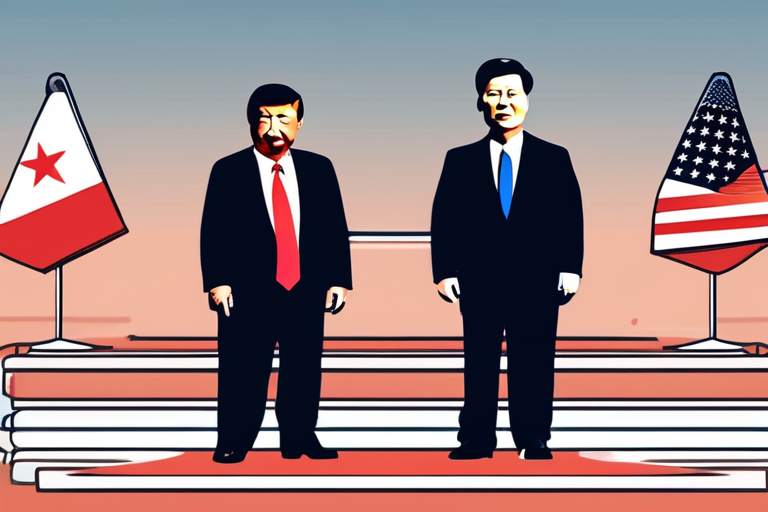
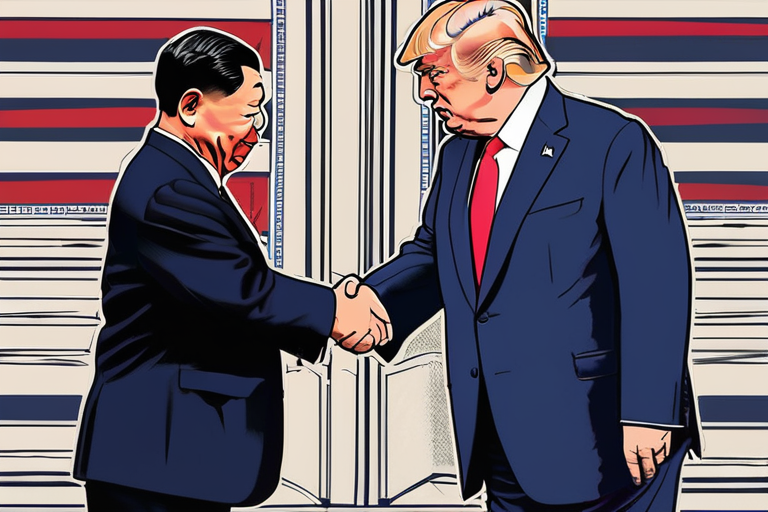
With just one and a half months to go before the year ends, China has yet to ramp up purchases of U.S. soybeans under a trade agreement made with President Donald Trump in late 2025. The White House had announced that Beijing committed to buying at least 12 million metric tons of U.S. soybeans during the final two months of 2025 and purchasing at least 25 million tons annually in 2026, 2027, and 2028. This commitment was a significant development, given that China had not placed any orders for U.S. soybeans this harvest season amid the trade war with Trump, creating panic among farmers who had relied on the world's second-largest economy as their top export market.
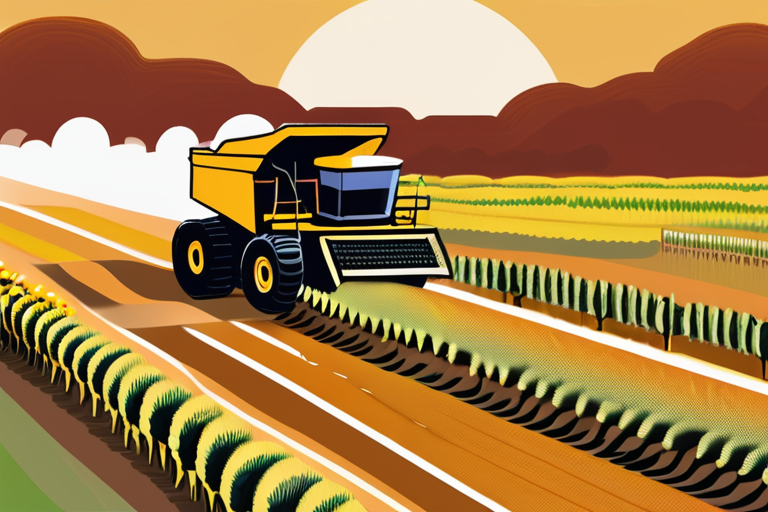
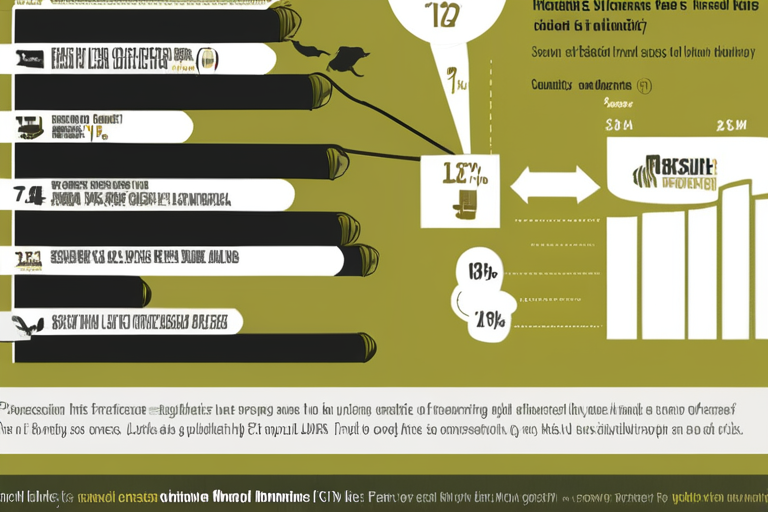
According to data from the U.S. Department of Agriculture, China's soybean imports from the United States have been steadily declining since 2020, from 31.5 million metric tons to just 2.4 million metric tons in the first nine months of 2025. Meanwhile, Brazil has emerged as a major supplier of soybeans to China, with imports from the country reaching 34.6 million metric tons in the same period.
The failure of China to meet its soybean purchase commitments has significant financial implications for U.S. farmers and the agricultural industry as a whole. The U.S. soybean market is valued at over $40 billion annually, with a significant portion of that revenue coming from exports to China. If China fails to meet its commitments, U.S. farmers may be forced to sell their soybeans at lower prices, potentially leading to financial losses.
The market impact of China's failure to meet its soybean purchase commitments is also significant. The soybean price has been under pressure in recent months, with the price of soybean futures on the Chicago Board of Trade (CBOT) declining by over 10% since the start of the year. This decline is largely due to the oversupply of soybeans from South America, which has put pressure on prices and made it more difficult for U.S. farmers to compete.
The company context for this story is also important. Cargill, one of the largest agricultural companies in the world, has been a major player in the soybean market for decades. The company has a significant presence in both the United States and China, and has been working to diversify its customer base in recent years. However, the failure of China to meet its soybean purchase commitments has put pressure on Cargill's business, and the company may need to adjust its strategy in response.
Looking ahead, the future outlook for the U.S. soybean market is uncertain. While China's failure to meet its soybean purchase commitments is a significant setback, it is not the only factor affecting the market. The oversupply of soybeans from South America is likely to continue, and U.S. farmers may need to adapt to a new reality in which they are no longer the primary supplier of soybeans to China. In the short term, this may lead to financial losses for U.S. farmers and the agricultural industry as a whole. However, in the long term, it may also create opportunities for U.S. farmers to diversify their customer base and explore new markets.
China Fails to Meet Soybean Purchase Commitments Amid South American Oversupply
1
0
Multi-Source Journalism
This article synthesizes reporting from multiple credible news sources to provide comprehensive, balanced coverage.















Share & Engage Share
Share this article