

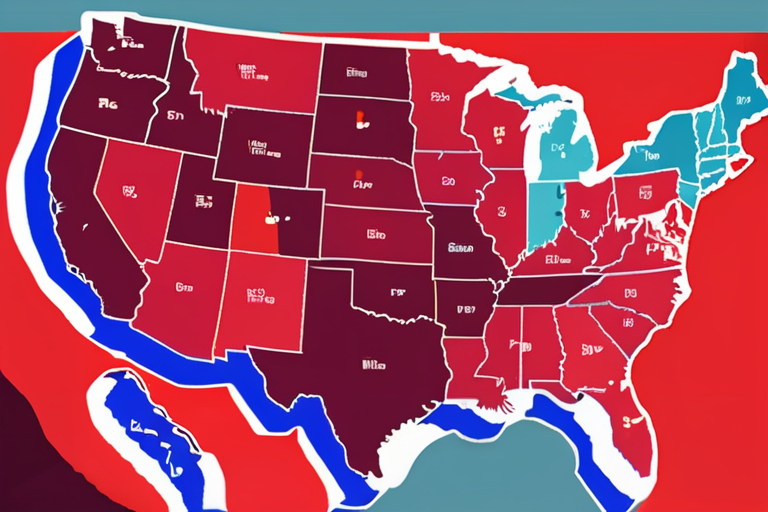
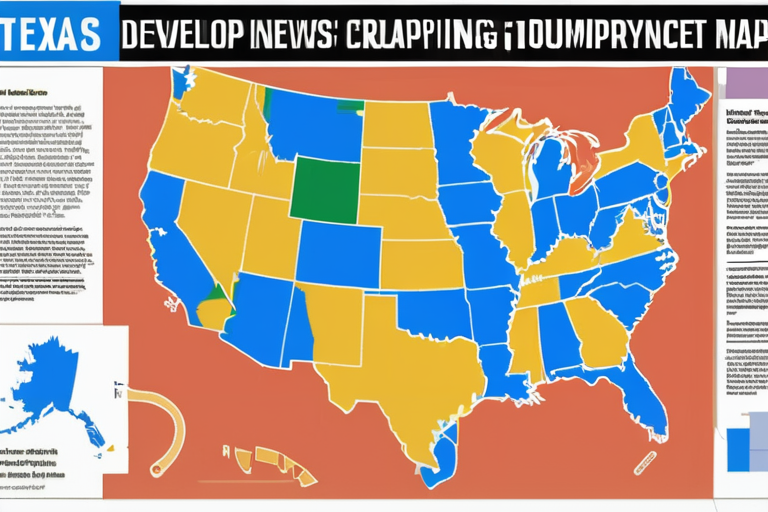
The Supreme Court has cleared the way for Texas to use a new congressional map that could help Republicans win five more U.S. House seats in the 2026 midterm election. The decision, released Thursday, boosts the GOP's chances of preserving its slim majority in the House of Representatives amid an unprecedented gerrymandering fight launched by President Trump, who has been pushing Texas and other GOP-led states to redraw their congressional districts to benefit Republicans.
According to court documents, the high court's unsigned order follows Texas' emergency request for the justices to pause a three-judge panel's ruling that had blocked the use of the new map. The three-judge panel had found that the map, which was redrawn by the Republican-led Texas Legislature, unfairly benefited the GOP by packing Democratic voters into a few districts.
Texas Republican state Sen. Pete Flores, who played a key role in drawing the new map, welcomed the Supreme Court's decision. "We're thrilled that the Supreme Court has allowed Texas to move forward with its new congressional map," Flores said in a statement. "This map is a fair and constitutional representation of Texas' diverse communities."
However, opponents of the map, including the League of United Latin American Citizens, which had challenged the map in court, expressed disappointment with the decision. "Today's ruling is a setback for voters in Texas who deserve fair and equal representation," said Brent Wilkes, the league's national executive director. "We will continue to fight for a map that reflects the diversity and interests of all Texans."
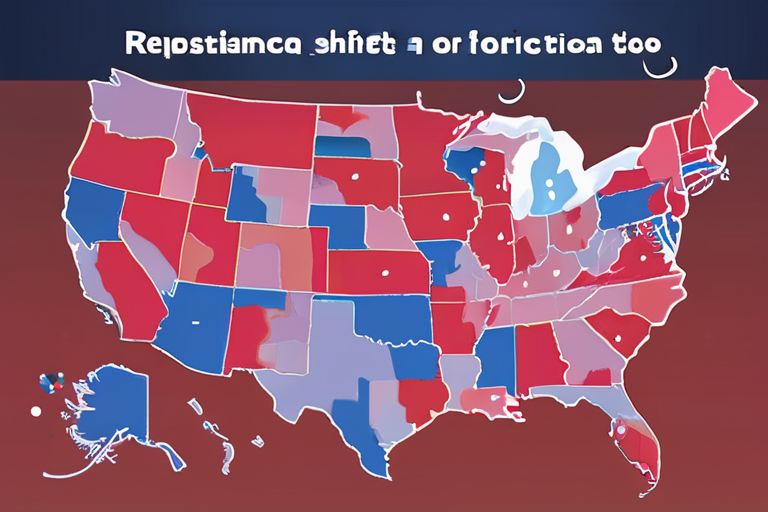
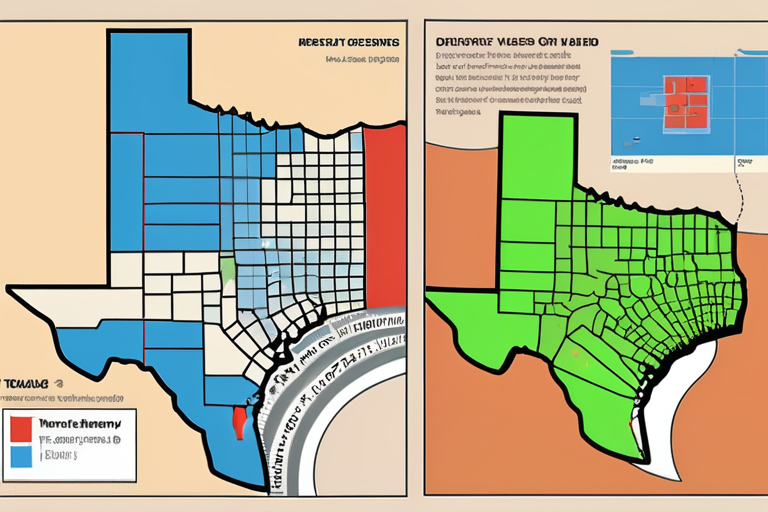
The new map, which was drawn after the 2020 census, is expected to give Republicans a significant advantage in the 2026 midterm election. According to an analysis by the nonpartisan Cook Political Report, the map could help Republicans win five more U.S. House seats, bringing their total to 24. Democrats currently hold 13 seats in the Texas delegation.
The Supreme Court's decision is the latest development in a long-running gerrymandering fight that has pitted President Trump and his allies against Democrats and voting rights groups. Trump has been pushing Texas and other GOP-led states to redraw their congressional districts to benefit Republicans, arguing that the current maps are unfair and biased against conservatives.
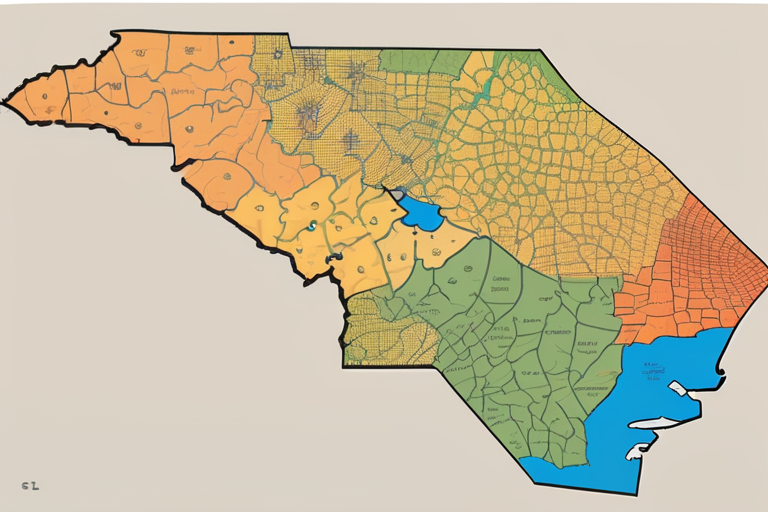
The Supreme Court has taken a more nuanced approach to gerrymandering in recent years, ruling in 2019 that federal courts have no role in reviewing partisan gerrymandering claims. However, the court has also allowed some gerrymandering claims to proceed, including a challenge to a North Carolina congressional map that was drawn by Republicans.
The decision in Texas is likely to have significant implications for the 2026 midterm election, which is expected to be a highly competitive contest. Democrats are seeking to regain control of the House of Representatives, while Republicans are fighting to preserve their slim majority. The outcome of the election will depend on a variety of factors, including the new congressional map and the performance of candidates in key districts.
In the meantime, opponents of the map are expected to continue their fight in court. "We will continue to challenge this map in court and work with lawmakers to pass legislation that protects the voting rights of all Texans," said Wilkes, the league's national executive director.
Supreme Court Clears Path for Texas to Use Gerrymandered Map, Boosting GOP's House Majority Hopes
1
0
Multi-Source Journalism
This article synthesizes reporting from multiple credible news sources to provide comprehensive, balanced coverage.

















Share & Engage Share
Share this article