

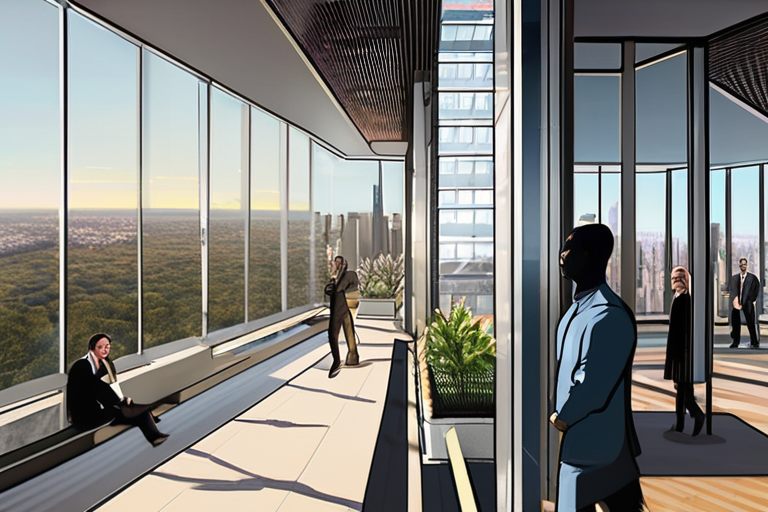
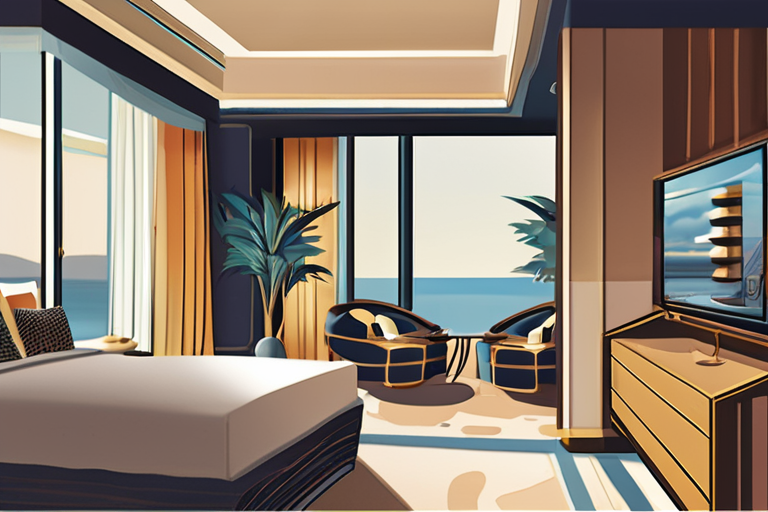
As the corporate world's return to the office gains momentum, employees are increasingly resisting the five-day workweek, citing the need for flexibility and productivity. This shift has presented a new challenge for workplace designers, who must now create attractive spaces to draw employees back to the office. According to Ray Yuen, office managing director at architectural firm Gensler, the key to success lies in designing "experiences" rather than just workplaces.
In a recent survey conducted by Gensler in 2025, employees cited factors such as food and wellness as essential components of a good workplace, with a significant increase in mentions compared to previous years. Notably, employees no longer prioritize traditional workplace amenities such as meeting rooms and open spaces. This shift in priorities reflects a broader change in the way employees perceive work and their role in the workplace.
The return to office trend is already underway, with major companies such as Amazon, JPMorgan, and Goldman Sachs mandating a five-day workweek. Instagram recently joined the list, citing the need to boost employee cooperation and creativity. However, this move has been met with resistance from employees, who value flexibility and autonomy.
The financial implications of this trend are significant. According to a report by Gensler, the average cost of designing and building a new office space is around $150 per square foot. With many companies opting for hybrid work models, the demand for traditional office space is decreasing, leading to a surplus of underutilized office buildings. This surplus is expected to have a ripple effect on the commercial real estate market, potentially leading to a decline in property values.
The market context is equally significant. The shift towards hybrid work models has been driven by the pandemic, which accelerated the adoption of remote work technologies and changed the way employees perceive work. As a result, companies are now reevaluating their office spaces to create more flexible and attractive work environments.
Gensler's Yuen emphasizes that the key to success lies in creating experiences that go beyond traditional workplace amenities. By incorporating elements such as food, wellness, and community spaces, companies can create a sense of belonging and connection among employees. This approach not only boosts employee satisfaction but also increases productivity and creativity.
The future outlook for workplace design is uncertain, but one thing is clear: the traditional office space is no longer sufficient. As employees continue to resist the return to office trend, companies must adapt and innovate to create spaces that meet their evolving needs. By prioritizing experience over functionality, companies can create a competitive advantage in the market and attract top talent.
In conclusion, the shift towards hybrid work models has presented a new challenge for workplace designers, who must now create attractive spaces that draw employees back to the office. By prioritizing experience over functionality, companies can create a competitive advantage in the market and attract top talent. As the corporate world continues to evolve, one thing is clear: the traditional office space is no longer sufficient.
Workplace Designers Must Adapt to Lure Employees Back to the Office
1
0
Multi-Source Journalism
This article synthesizes reporting from multiple credible news sources to provide comprehensive, balanced coverage.





Share & Engage Share
Share this article