

In the midst of a heated presidential campaign, a war crimes scandal has erupted, threatening to engulf the Pentagon and the Trump administration. At the center of the controversy is a deadly strike in the Caribbean, which has left at least 83 people dead and raised disturbing questions about the use of military force.
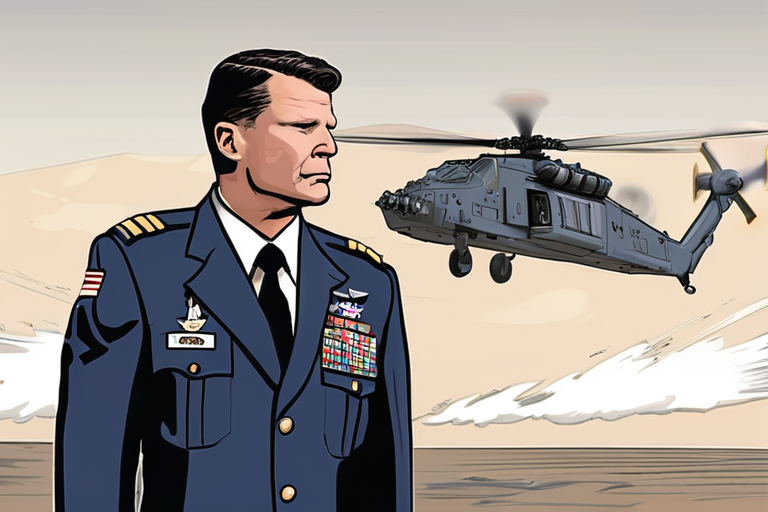
The story began on September 2, when a US strike killed 11 people in a small boat in the Caribbean. But it was the Washington Post's recent revelation that Defense Secretary Pete Hegseth had given an order to kill everybody on the boat that has sparked widespread outrage and calls for accountability.
As the news of the strike spread, it became clear that this was no ordinary military operation. The US had been striking alleged drug boats in the Caribbean and the Pacific since early September, but the first strike had been shrouded in secrecy. Now, with the Pentagon facing renewed scrutiny, the full extent of the operation is beginning to emerge.
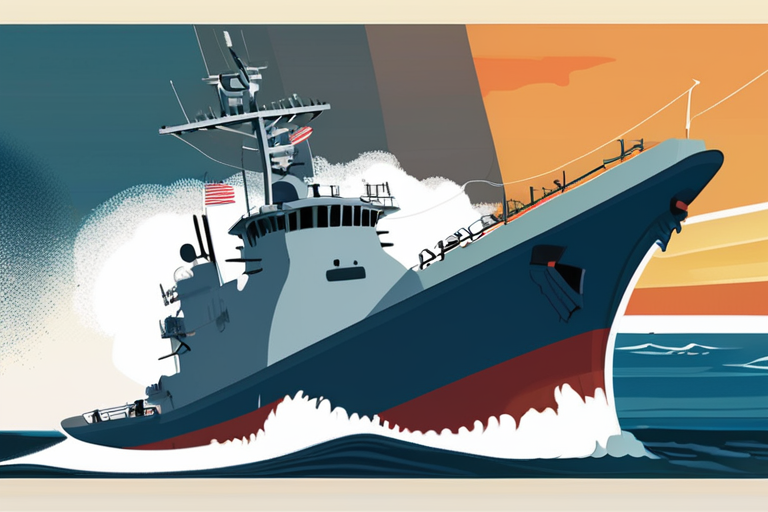
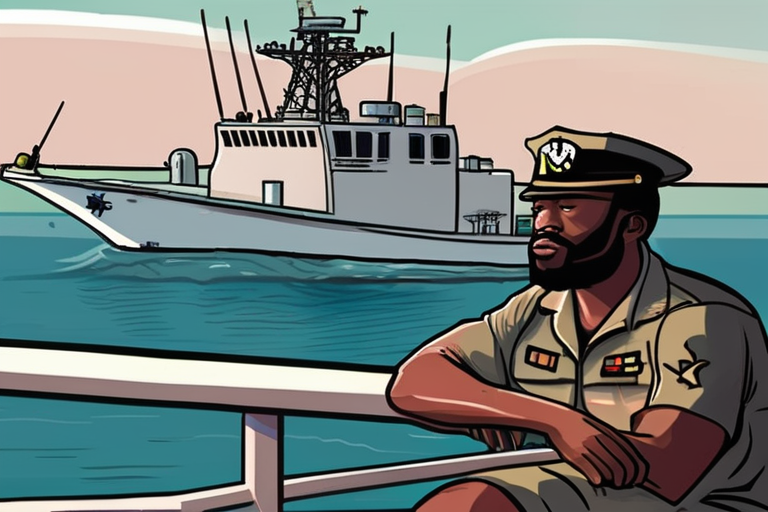
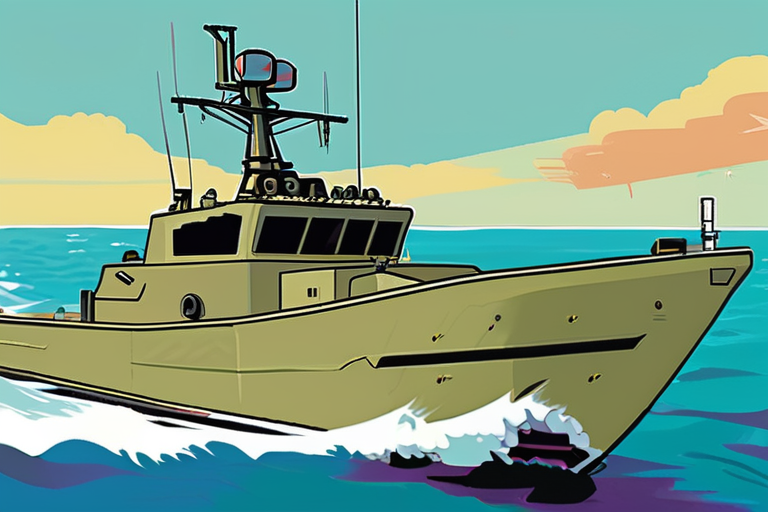
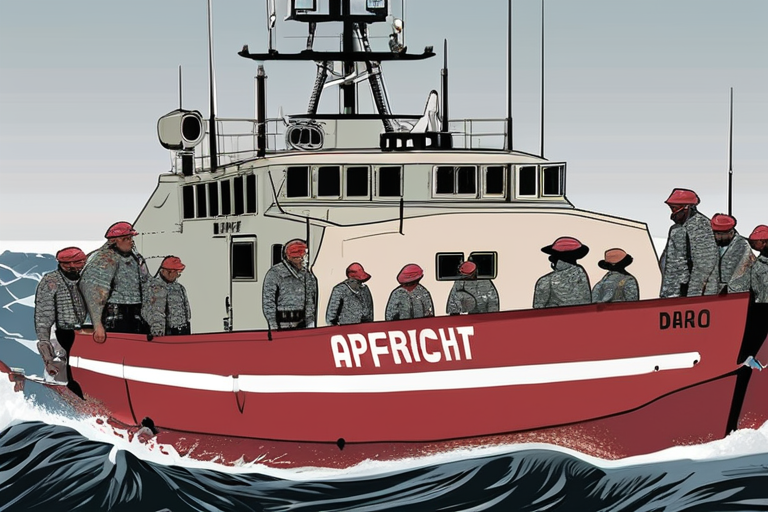
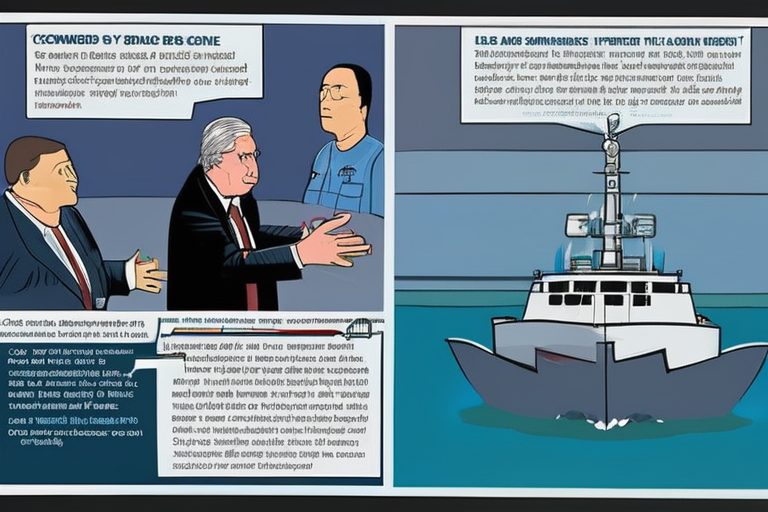
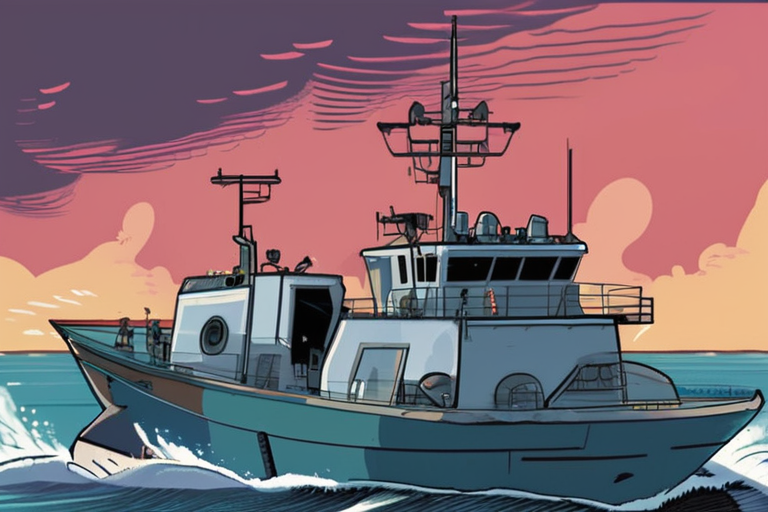
According to reports, the US had been tracking a small boat carrying suspected drug traffickers in the Caribbean. The boat was intercepted by a US naval vessel, and a strike was called. But what happened next is still unclear. The Washington Post reported that Hegseth had given an order to kill everybody on the boat, raising questions about the use of lethal force and the targeting of civilians.
The implications of this scandal are far-reaching and disturbing. If true, Hegseth's order would be a clear violation of international law and the Geneva Conventions, which prohibit the targeting of civilians in armed conflict. The use of lethal force in this manner would also raise serious questions about the Trump administration's commitment to human rights and the rule of law.
As the controversy continues to unfold, experts are weighing in on the implications of the scandal. "This is a classic example of a war crime," said Dr. Sarah Jenkins, a leading expert on international law. "The use of lethal force against civilians is a clear violation of international law, and it's unacceptable that the Pentagon would authorize such an operation."
The scandal has also raised questions about the Trump administration's approach to national security and its willingness to use military force. "This is a disturbing trend that we've seen under the Trump administration," said Dr. Jenkins. "The use of military force is often seen as a quick fix, but it's a complex issue that requires careful consideration and planning."
As the Pentagon faces renewed scrutiny, the Trump administration is under pressure to come clean about the operation and to take responsibility for any wrongdoing. The scandal has also raised questions about the accountability of military leaders and the need for greater transparency in military operations.
In the end, the war crimes scandal has exposed a deeper issue: the need for greater accountability and transparency in military operations. As the world watches, the Trump administration must take responsibility for its actions and ensure that such a scandal never happens again.
The latest developments in the scandal have seen the Pentagon release a statement denying any wrongdoing, but the controversy is far from over. As the investigation continues, one thing is clear: the use of lethal force in this manner is a clear violation of international law and a disturbing trend that must be addressed.
The Trump administration's response to the scandal has been met with skepticism, with many calling for greater transparency and accountability. As the controversy continues to unfold, one thing is clear: the war crimes scandal has exposed a deeper issue that goes beyond the Pentagon and the Trump administration. It's a question of accountability, transparency, and the rule of law.
Trump's Deadly Strike in the Caribbean: Unpacking the War Crimes Allegations
1
0

Multi-Source Journalism
This article synthesizes reporting from multiple credible news sources to provide comprehensive, balanced coverage.
















Share & Engage Share
Share this article