

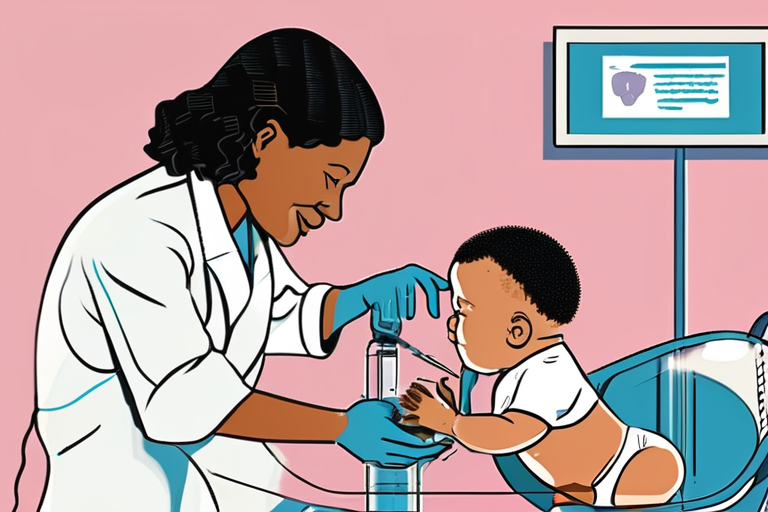
As the US Advisory Committee on Immunization Practices (ACIP) prepares to vote on the fate of the hepatitis B vaccine for newborn babies, a decades-old recommendation hangs precariously in the balance. The vaccine, which has been credited with a significant decline in mother-to-child transmission of the hepatitis B virus, has been a cornerstone of public health policy for generations. But now, some members of the ACIP are questioning the necessity of the birth dose, citing concerns about the vaccine's ingredients and potential side effects.
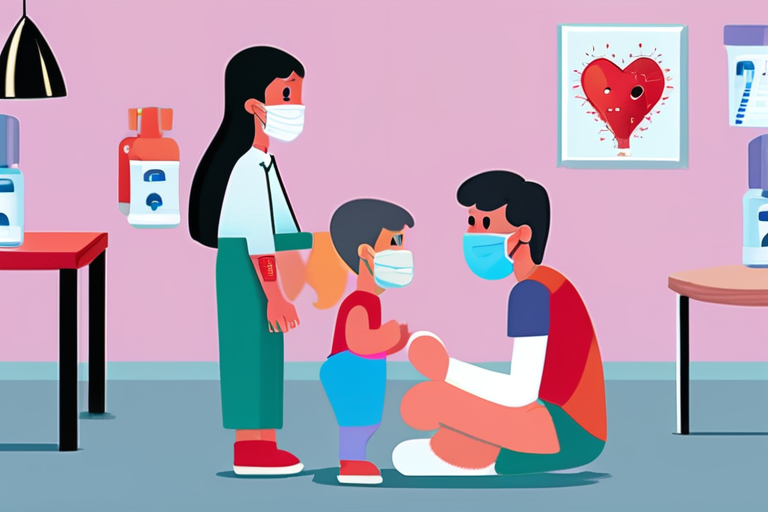
The debate is not just about the science behind the vaccine, but also about the human impact of its potential removal. For Dr. Evelyn Griffin, an obstetrician and gynecologist at Boston Medical Center, the hepatitis B vaccine has been a game-changer in preventing the transmission of the virus from mother to child. "We've seen a significant decline in cases of hepatitis B in newborns since the vaccine was introduced," she says. "It's a testament to the power of vaccination in preventing disease and saving lives."
But not everyone is convinced. Some members of the ACIP have expressed concerns about the vaccine's ingredients, including aluminum, which is used as an adjuvant to enhance the immune response. While aluminum is widely recognized as safe, some critics argue that its use in vaccines is unnecessary and potentially harmful. "We're trying to undo some really bad decision processes we had in the past," says Retsef Levi, a professor of operations management at the Massachusetts Institute of Technology. "We need to look at what's happening now and make informed decisions based on the latest evidence."
The debate over the hepatitis B vaccine is just the latest chapter in a long-standing controversy over vaccine safety and efficacy. In recent years, concerns about vaccine ingredients and side effects have led to a growing movement of anti-vaxxers, who claim that vaccines are linked to a range of health problems, from autism to autoimmune disorders. While there is no scientific evidence to support these claims, the debate has had a profound impact on public health policy and vaccination rates.
In the US, vaccination rates have been declining in recent years, with some states reporting rates as low as 80%. The consequences of this trend are already being felt, with outbreaks of preventable diseases like measles and whooping cough on the rise. "The hepatitis B vaccine is a critical tool in preventing the transmission of this virus," says Dr. Griffin. "If we remove it from the schedule, we risk undoing decades of progress and putting vulnerable populations at risk."
The ACIP's decision on the hepatitis B vaccine will have far-reaching implications for public health policy and vaccination rates. If the committee votes to remove the birth dose, it could set a precedent for other vaccines and potentially undermine the entire vaccination schedule. On the other hand, if the committee decides to maintain the current recommendation, it will send a powerful message about the importance of vaccination in preventing disease and saving lives.
As the ACIP prepares to vote, the stakes are high. The fate of the hepatitis B vaccine hangs in the balance, and the consequences of its potential removal will be felt for generations to come.
Hepatitis B Vaccine for US Babies: A Decades-Long Recommendation on the Line
1
0
Multi-Source Journalism
This article synthesizes reporting from multiple credible news sources to provide comprehensive, balanced coverage.














Share & Engage Share
Share this article