

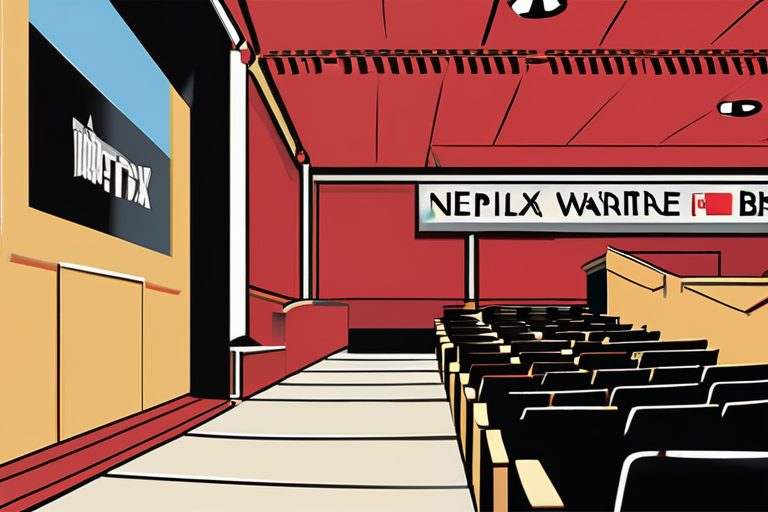
As the curtains closed on another blockbuster season, the film industry was abuzz with the news that Netflix, the streaming giant, was set to shake up the traditional theatrical release model. With its proposed acquisition of Warner Bros. and HBO Max, the company sent shockwaves through the industry, sparking questions about the future of cinema. But in a surprise twist, Netflix co-CEO Ted Sarandos revealed that the company has no intention of abandoning the big screen - at least, not yet.
Behind the scenes, Netflix has been quietly releasing a string of films in cinemas, with 30 titles hitting theaters in 2025 alone. While these releases have been met with a lukewarm reception, with most films having a shorter theatrical run than their studio counterparts, the company's intentions are clear: to evolve the traditional window model and make it more consumer-friendly. But what does this mean for the industry, and for moviegoers?
To understand the context, it's essential to look back at the history of the window model. For decades, studios have followed a strict release schedule, with films debuting in theaters before making their way to home video and eventually streaming platforms. This model has been criticized for prioritizing profits over consumer experience, with many films being released in a state of limbo, neither fully available in theaters nor easily accessible on streaming platforms.
Netflix, with its vast library of content and innovative release strategies, has been at the forefront of disrupting this model. By releasing films directly to streaming platforms, the company has given audiences access to a vast array of content, often before it hits theaters. But with the proposed acquisition of Warner Bros. and HBO Max, Netflix is poised to take its theatrical releases to the next level.
According to Sarandos, the company's goal is to create a more consumer-friendly window model, one that allows audiences to access films in a way that suits their preferences. "It's not like we have this opposition to movies in theaters," he said on a recent conference call with investors and press. "We're just trying to find a way to make it work for everyone."
Industry insiders are hailing Netflix's move as a game-changer, with some predicting a seismic shift in the way films are released and consumed. "This is a major development for the industry," says film analyst, Paul Dergarabedian. "Netflix is forcing studios to rethink their traditional release strategies and consider new models that prioritize consumer experience."
But what does this mean for moviegoers? Will we see a proliferation of films being released in theaters, only to disappear from screens a few weeks later? Or will Netflix's innovative approach lead to a more dynamic and flexible release schedule, one that allows audiences to access films in a way that suits their preferences?
As the industry continues to evolve, one thing is clear: Netflix's acquisition of Warner Bros. and HBO Max is just the beginning of a new chapter in the history of cinema. With its commitment to creating a more consumer-friendly window model, the company is poised to revolutionize the way we experience films, and the future looks brighter than ever.
Netflix Keeps Warner Bros. Movies in Theaters, But Theaters Get a Makeover
1
0
Multi-Source Journalism
This article synthesizes reporting from multiple credible news sources to provide comprehensive, balanced coverage.




















Share & Engage Share
Share this article