

In a shocking revelation, the Trump administration is facing intense scrutiny over a war crime allegedly committed in the Caribbean, sparking a heated debate about the limits of military power and the consequences of unchecked authority. The incident, which took place on September 2, has left many questioning the true extent of the US military's actions and the accountability of those in charge.
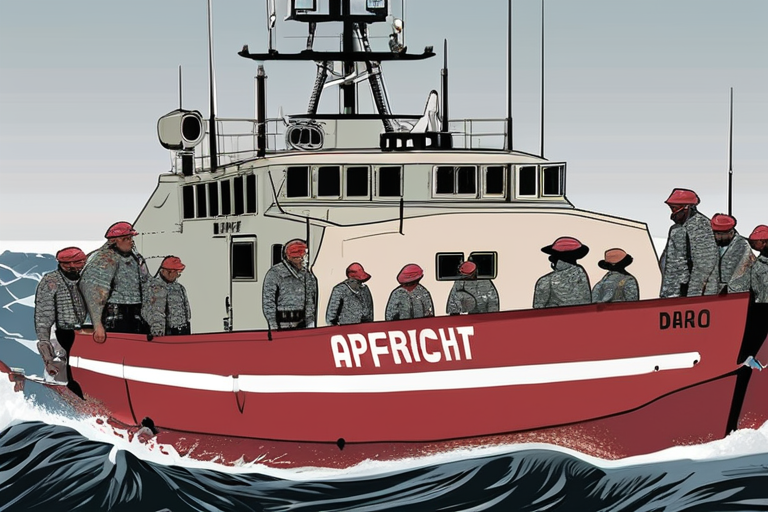
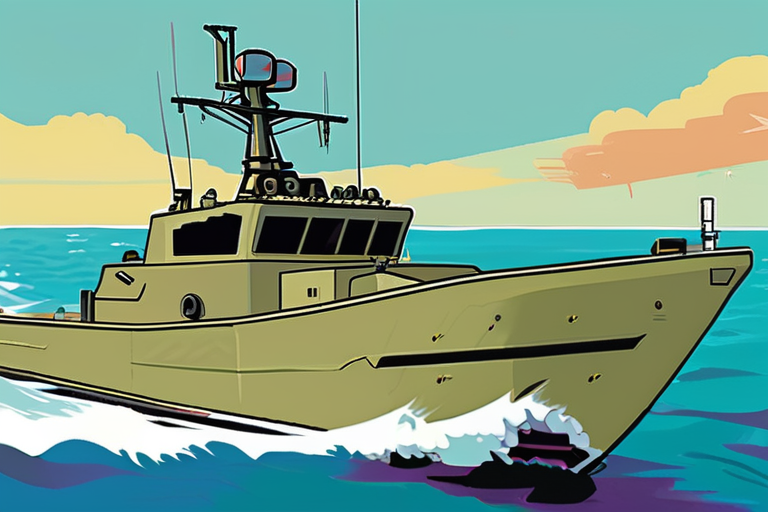
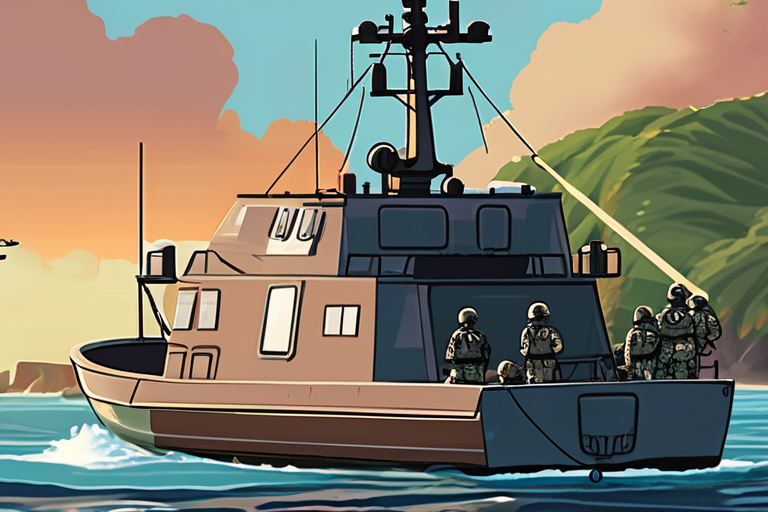
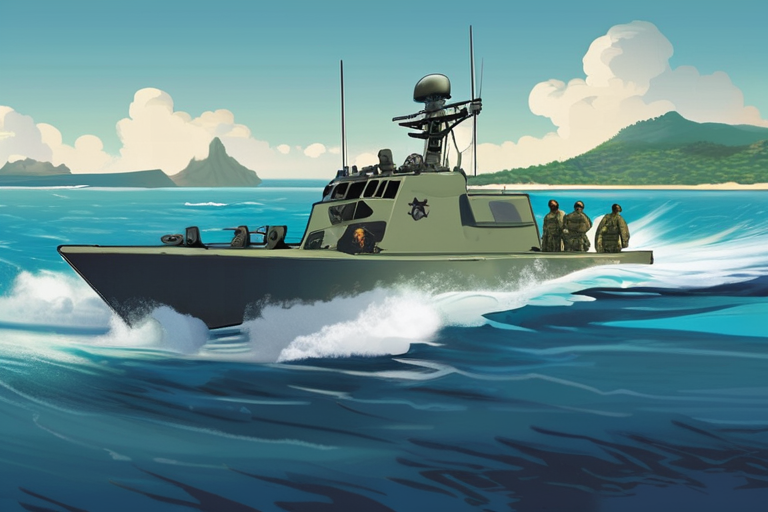
The story begins with a small boat in the Caribbean, carrying 11 people who were struck by a US military operation. The attack was part of a larger campaign against alleged drug traffickers, but it was the Defense Secretary Pete Hegseth's order to kill everybody on the boat that has raised eyebrows. The Washington Post reported that Hegseth gave the order, which led to the deaths of 11 people, sparking widespread outrage and calls for accountability.
To understand the context of this incident, it's essential to delve into the background of the US military's campaign against alleged drug traffickers. The operation, which began in early September, aimed to disrupt the flow of illicit substances in the Caribbean and the Pacific. However, the use of military force in this context has raised concerns about the potential for civilian casualties and the lack of transparency in the decision-making process.
The September 2 strike was the first of its kind, and it has become the focal point of the controversy. According to reports, the US military had been tracking the boat for several hours before launching the attack. The strike killed 11 people, and while the exact circumstances of the incident are still unclear, the fact that Hegseth gave an order to kill everybody on the boat has raised serious questions about the accountability of those in charge.
Experts say that the incident highlights the need for greater transparency and accountability in military operations. "The use of military force is a serious matter, and it's essential that we have a clear understanding of the decision-making process behind such actions," says Dr. Sarah Jones, a leading expert on military law and ethics. "The fact that Hegseth gave an order to kill everybody on the boat raises serious concerns about the accountability of those in charge."
The implications of this incident go beyond the immediate consequences of the strike. It highlights the need for greater oversight and accountability in military operations, particularly in situations where civilians may be at risk. "The use of military force is a complex issue, and it requires careful consideration of the potential consequences," says Dr. Jones. "We need to ensure that those in charge are held accountable for their actions, and that we have a clear understanding of the decision-making process behind such actions."
As the controversy surrounding the September 2 strike continues to unfold, it's essential to consider the broader implications of this incident. The use of military force in the context of alleged drug trafficking raises serious questions about the limits of military power and the consequences of unchecked authority. "This incident highlights the need for greater transparency and accountability in military operations," says Dr. Jones. "We need to ensure that those in charge are held accountable for their actions, and that we have a clear understanding of the decision-making process behind such actions."
In the end, the Trump administration's handling of the September 2 strike has left many questioning the true extent of the US military's actions and the accountability of those in charge. As the controversy continues to unfold, it's essential to consider the broader implications of this incident and the need for greater transparency and accountability in military operations.
Trump Administration Faces War Crimes Allegations in Caribbean Incident
1
0
Multi-Source Journalism
This article synthesizes reporting from multiple credible news sources to provide comprehensive, balanced coverage.












Share & Engage Share
Share this article