

Breaking News: Indian Ocean Disaster Leaves Trail of Devastation
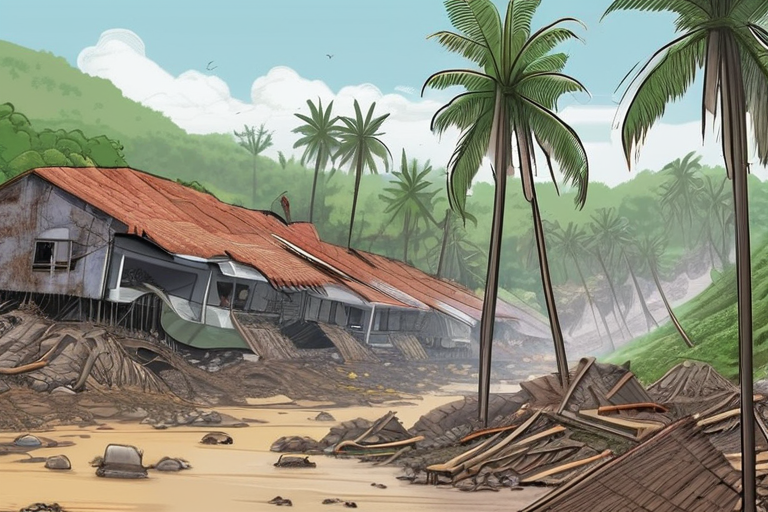
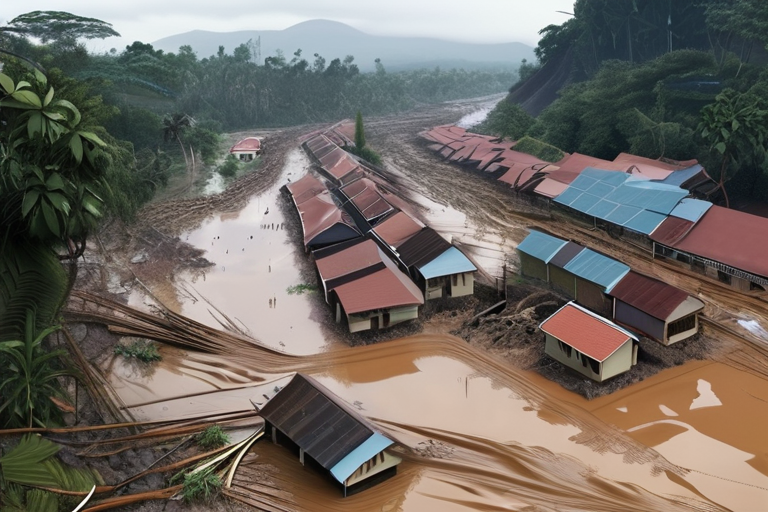
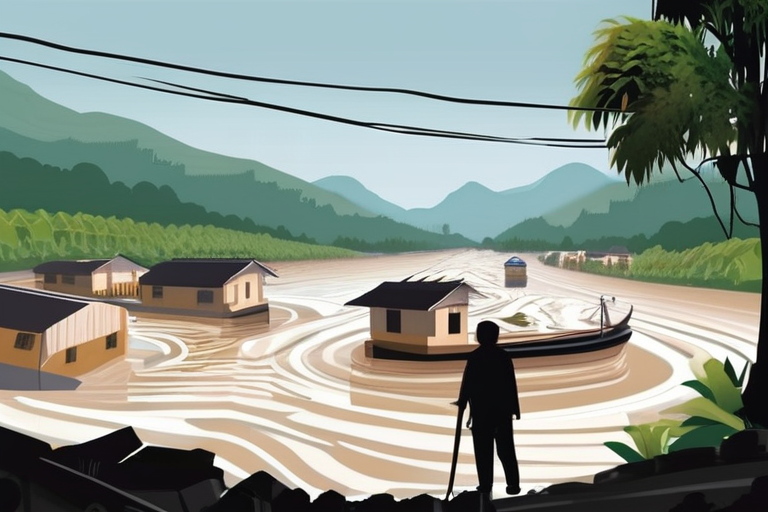
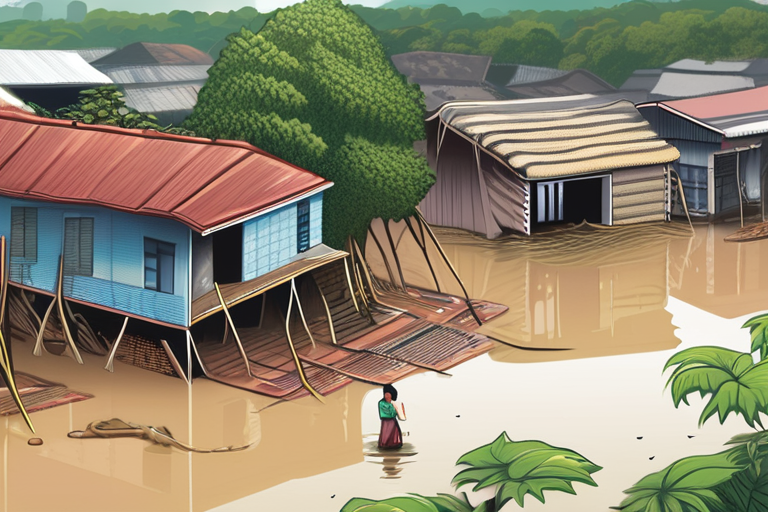
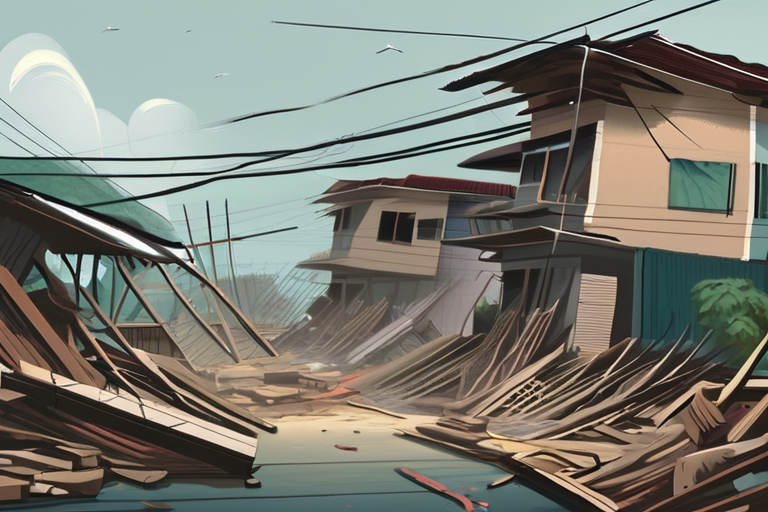
At least 1,000 people have lost their lives in the Indian Ocean disaster, which has ravaged cities and villages across six countries. The disaster, triggered by three tropical cyclones - Senyar, Ditwah, and Koto - has left millions displaced, with many struggling to access basic necessities like food and medical care. The cyclones, which made landfall in late November, have caused widespread destruction, burying homes beneath meters of mud and destroying roads and bridges.
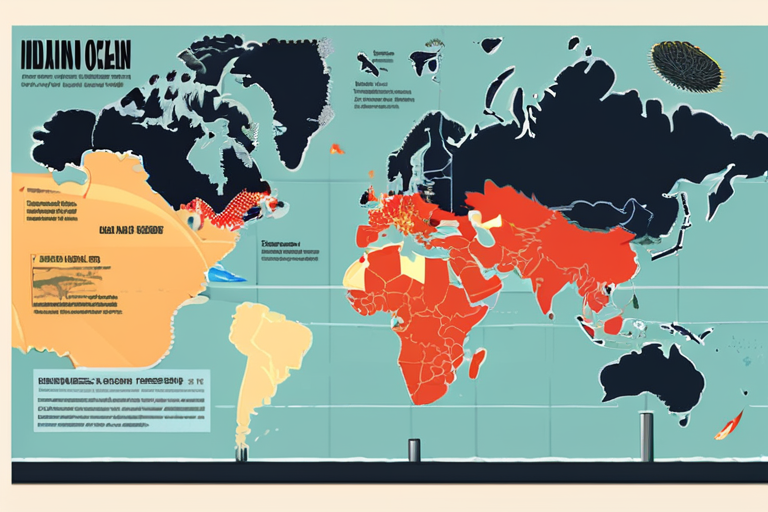
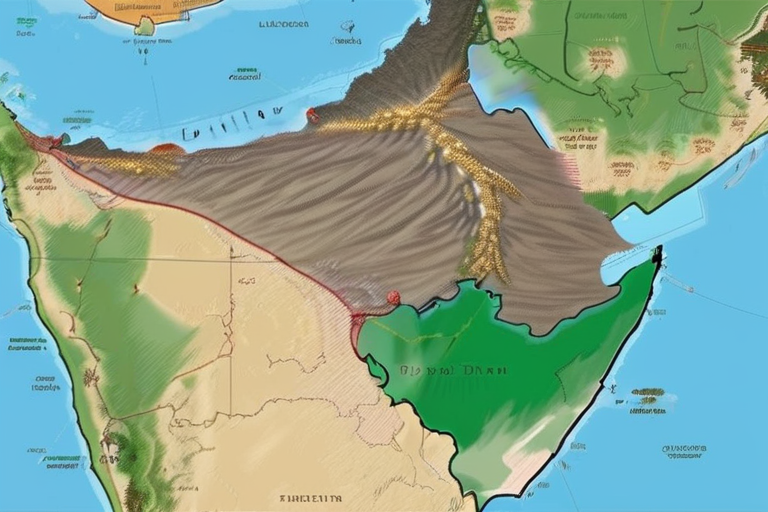
The affected countries include Indonesia, Malaysia, Vietnam, Thailand, India's Andaman and Nicobar Islands, the Philippines, and Sri Lanka. The disaster has been compared to the 2004 Indian Ocean tsunami in terms of its destructive scale. However, the world has largely overlooked this emergency, with aid slow to arrive.
The cyclones made landfall in late November, with the first storm, Senyar, hitting Indonesia's Sumatra on November 20. Ditwah and Koto followed soon after, causing widespread destruction and loss of life. The rainfall was so intense that it created a rough sea on the land, as reported by a resident of the Sumatran city of Langsa.
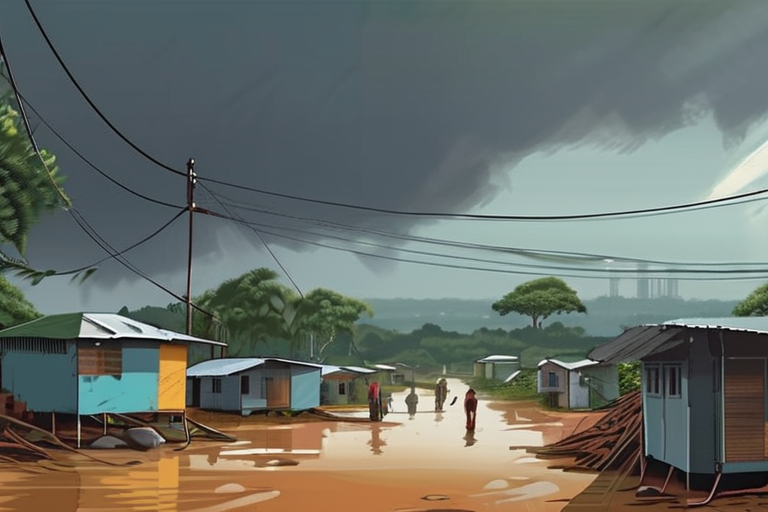
The immediate impact of the disaster has been severe, with many people struggling to access basic necessities like food, water, and medical care. Aid agencies have been working tirelessly to provide relief, but the scale of the disaster has overwhelmed their resources. The Indonesian government has declared a state of emergency, with troops deployed to assist with relief efforts.
The Indian Ocean disaster is a stark reminder of the devastating impact of climate change. Rising sea levels, more frequent natural disasters, and unpredictable weather patterns are all symptoms of a planet in crisis. The disaster highlights the need for collective action to address the root causes of climate change and to develop more effective disaster early-warning systems.
As the world struggles to respond to this disaster, it is clear that more needs to be done to support those affected. The international community must come together to provide aid and assistance, and to address the underlying causes of this disaster. The Indian Ocean disaster is a wake-up call for us all, and it is imperative that we take immediate action to prevent similar disasters in the future.
Indian Ocean Disaster: 1,000 Lives Lost, Millions Impacted by Devastating Cyclone Trio
1
0
Multi-Source Journalism
This article synthesizes reporting from multiple credible news sources to provide comprehensive, balanced coverage.






















Share & Engage Share
Share this article