

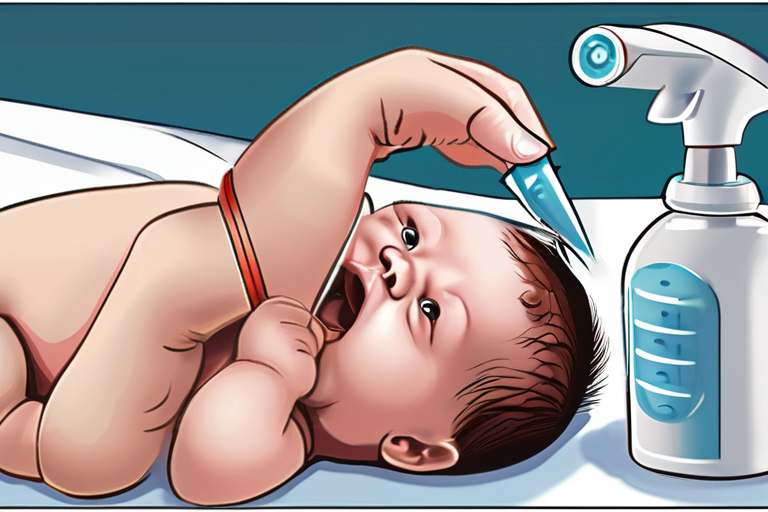
The federal government is ending its recommendation that every infant receive a hepatitis B vaccination at birth, a change public health experts say is all but certain to endanger children. The decision, made by the US Health Secretary Robert F. Kennedy Jr., marks the most substantive change to the childhood immunization schedule yet under his leadership.
According to sources, the Trump administration is leaving the question of whether to vaccinate newborns against hepatitis B to individual decision-making, effectively reversing a longstanding recommendation that babies receive the vaccine within 24 hours of birth. This change is expected to be implemented by the Centers for Disease Control and Prevention (CDC) in the coming weeks.
Public health experts have expressed concern over the decision, citing the potential risks to children's health. "This is a reckless and irresponsible move that puts the lives of countless children at risk," said Dr. Peter Hotez, a leading vaccine expert and professor at Baylor College of Medicine. "The science is clear: hepatitis B vaccination at birth is a critical component of preventing this serious and potentially life-threatening disease."
In a statement, US Health Secretary Robert F. Kennedy Jr. defended the decision, saying, "We are committed to giving parents the freedom to make informed decisions about their children's health. This change is a step towards empowering parents and promoting vaccine choice."
The decision to reverse the hepatitis B vaccination recommendation at birth is part of a broader effort to overhaul the childhood vaccine schedule. The Trump administration has been working to revise the vaccine playbook, with the goal of giving parents more flexibility in making vaccine decisions.
Critics of the decision argue that it is based on flawed science and ignores the overwhelming evidence supporting the benefits of hepatitis B vaccination at birth. "This decision is a perfect example of how politics can trump science," said Dr. Paul Offit, a pediatrician and vaccine expert at Children's Hospital of Philadelphia. "The data is clear: hepatitis B vaccination at birth is safe and effective, and it saves lives."
The CDC has not yet announced a specific timeline for implementing the change, but officials expect it to be implemented in the coming weeks. In the meantime, public health experts are urging parents to continue following the current vaccination schedule, which includes hepatitis B vaccination at birth.
The decision to reverse the hepatitis B vaccination recommendation at birth is likely to have far-reaching consequences for public health policy. As the debate over vaccine policy continues, one thing is clear: the future of childhood vaccination in the United States is uncertain.
US Health Secretary Reverses Hepatitis B Vaccination Policy for Newborns
1
0
Multi-Source Journalism
This article synthesizes reporting from multiple credible news sources to provide comprehensive, balanced coverage.




















Share & Engage Share
Share this article