
As the dust settles on Netflix's historic $72 billion acquisition of Warner Bros., the entertainment world is abuzz with speculation and debate. Amidst the cries of "death of Hollywood" from indie producers and theater owners, and the jilted Ellison family's claims of a tainted sale process, a top Wall Street analyst is sounding a different note. Melissa Otto, head of research at SP Global Visible Alpha, believes that the real story behind the deal lies not in the movies and shows, but in the cutting-edge technology that will shape the future of entertainment.
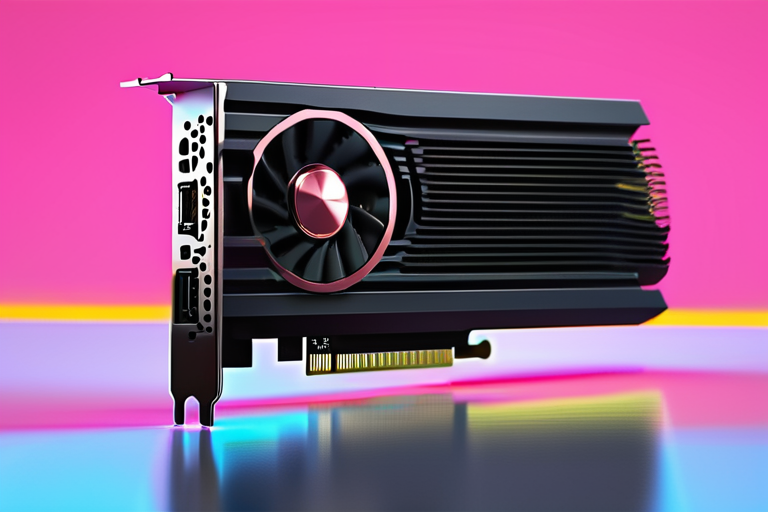
For Otto, the key to understanding the Netflix-Warner Bros. deal lies in the rapidly evolving landscape of artificial intelligence and the role that Google is playing in it. "I think there's this much bigger conversation that is being missed," she says in an interview with Fortune. "Google and its TPU chips." The TPU, or Tensor Processing Unit, is a custom-built chip designed by Google to accelerate machine learning and AI computations. It's a technology that has the potential to revolutionize the way we create, consume, and interact with video content.
As Otto points out, the future of entertainment is not just about creating more movies and shows, but about creating a vast, dynamic, and personalized video corpus that can be used to train and power the next generation of AI models. This is a key area of focus for Google, which has been investing heavily in AI research and development. By acquiring Warner Bros., Netflix is not just buying a movie studio, but gaining access to a vast library of content that can be used to train and fine-tune its AI models.
The implications of this deal are far-reaching and global. As AI technology continues to advance, we can expect to see a seismic shift in the way we consume and interact with video content. Personalized recommendations, AI-generated content, and immersive experiences will become the norm. And at the heart of it all will be the TPU chip, which will enable the rapid processing and analysis of vast amounts of video data.
But what does this mean for the future of Hollywood? Otto believes that the Netflix-Warner Bros. deal is not a death knell for traditional movie studios, but rather a recognition of the changing landscape of the entertainment industry. "The old model of Hollywood is not going to work in the future," she says. "We need to think about how we can create new business models and new revenue streams that take into account the changing way people consume and interact with video content."
As the world grapples with the implications of this deal, one thing is clear: the future of entertainment is not just about movies and shows, but about the technology that will shape the way we experience them. And at the heart of it all is Google's TPU chip, which will enable the rapid processing and analysis of vast amounts of video data. As Otto puts it, "This is a game-changer. And it's not just about Hollywood. It's about the future of entertainment itself."
As the dust settles on the Netflix-Warner Bros. deal, one thing is clear: the future of entertainment is not just about movies and shows, but about the technology that will shape the way we experience them. And at the heart of it all is Google's TPU chip, which will enable the rapid processing and analysis of vast amounts of video data. The implications of this deal are far-reaching and global, and will have a profound impact on the way we consume and interact with video content in the years to come.
Netflix's $72 Billion Warner Bros. Deal: A Game-Changer for Google, Not Hollywood's Demise
1
0
Multi-Source Journalism
This article synthesizes reporting from multiple credible news sources to provide comprehensive, balanced coverage.














Share & Engage Share
Share this article