

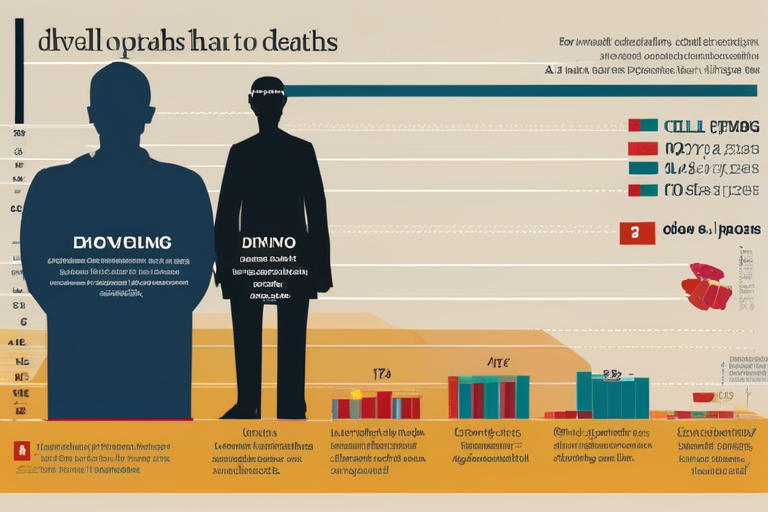
Estimates suggest that 2025 will be the first year this century that child deaths under the age of 5 have gone up instead of down. According to recent data, in 2024, 4.6 million children died before hitting age 5, a number projected to rise by just over 200,000 to an estimated 4.8 million children in 2025.
The slowdown in progress is attributed to the ongoing disruptions in global health systems, particularly in low- and middle-income countries, where access to essential healthcare services remains limited. Dr. Seth Berkley, CEO of Gavi, the Vaccine Alliance, notes that the COVID-19 pandemic has had a lasting impact on the global health landscape. "The pandemic has pushed many countries' health systems to the breaking point, and it's taken a toll on the ability to deliver essential services, including vaccinations," he said.
The remarkable progress made in reducing child deaths under the age of 5 between 2000 and 2020 was largely due to the widespread rollout of childhood vaccinations. The number of children who die before hitting their 5th birthday dropped by half from nearly 10 million deaths a year to under 5 million deaths a year during this period. However, the decline in child deaths slowed during the height of the COVID pandemic, and it did not reverse until now.
Experts point to several factors contributing to the projected increase in child deaths, including the ongoing COVID-19 pandemic, conflicts, and climate change. Dr. Joy Lawn, a professor of global health at the University of London, notes that the pandemic has not only disrupted healthcare services but also led to increased poverty and inequality, making it more challenging for families to access essential services. "We're seeing a perfect storm of factors that are pushing child mortality rates up," she said.
The World Health Organization (WHO) has warned that the projected increase in child deaths under the age of 5 is a wake-up call for the global community. The organization emphasizes the need for sustained investment in global health, particularly in low- and middle-income countries, to address the root causes of child mortality. Dr. Tedros Adhanom Ghebreyesus, Director-General of the WHO, stated, "We must act now to address the underlying drivers of child mortality, including poverty, inequality, and lack of access to healthcare services."
The current status of child mortality rates is a pressing concern, and experts are calling for immediate action to address the projected increase. The global community is expected to come together to discuss strategies for reversing the trend and ensuring that all children have access to essential healthcare services.
Child Deaths Under 5 to Rise for First Time This Century: What's Behind the Alarming Trend
1
0

Multi-Source Journalism
This article synthesizes reporting from multiple credible news sources to provide comprehensive, balanced coverage.



























Share & Engage Share
Share this article