

Breaking News: Indian Ocean Disaster a Climate Tragedy - Needs More Attention
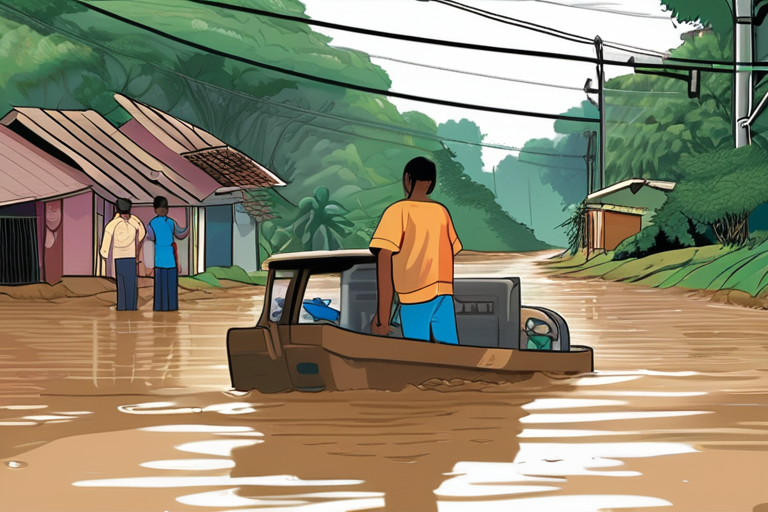
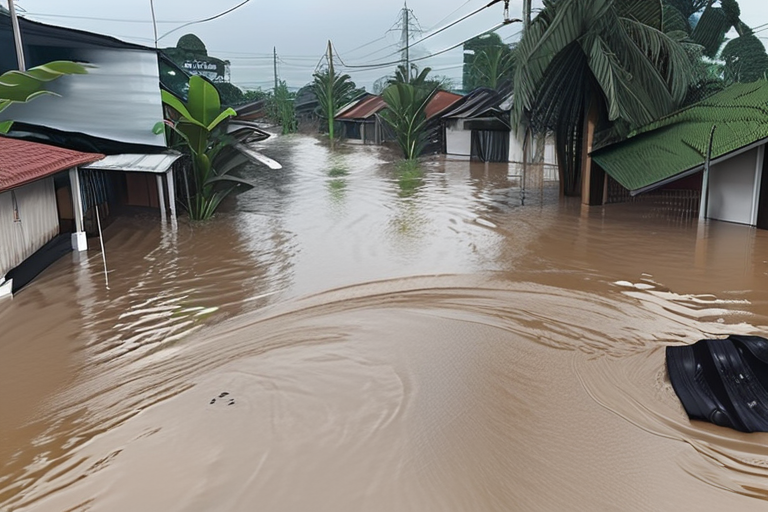
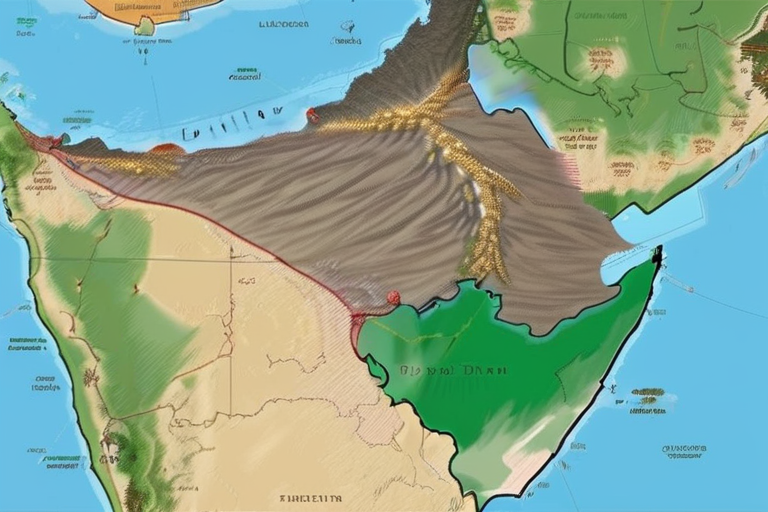
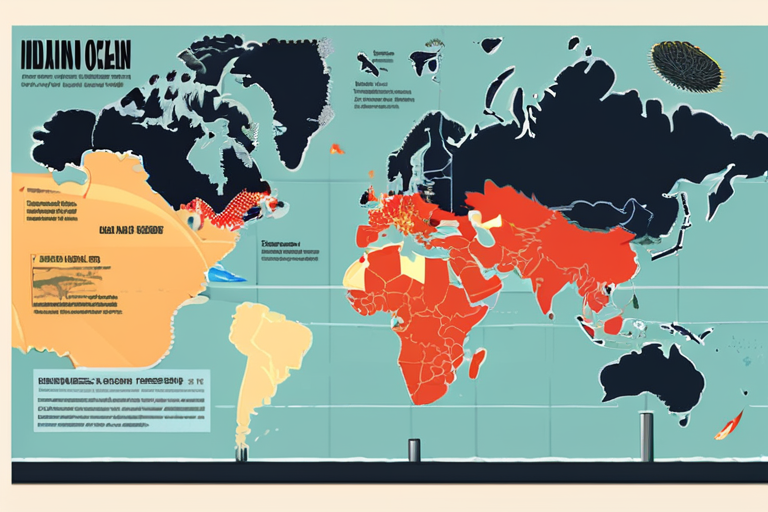
At least 1,000 people have lost their lives in the devastating tropical cyclones that swept across the Indian Ocean in late November. The storms, which included Senyar, Ditwah, and Koto, brought torrential rains, high winds, landslides, and flash floods to countries including Indonesia, Malaysia, Vietnam, Thailand, India's Andaman and Nicobar Islands, the Philippines, and Sri Lanka. The destruction is comparable to the 2004 Indian Ocean tsunami, according to Muzakir Manaf, the governor of Aceh, Indonesia.
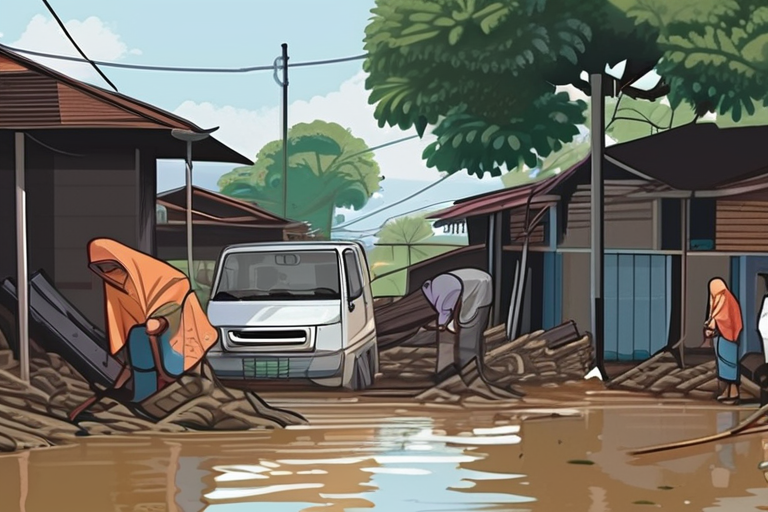
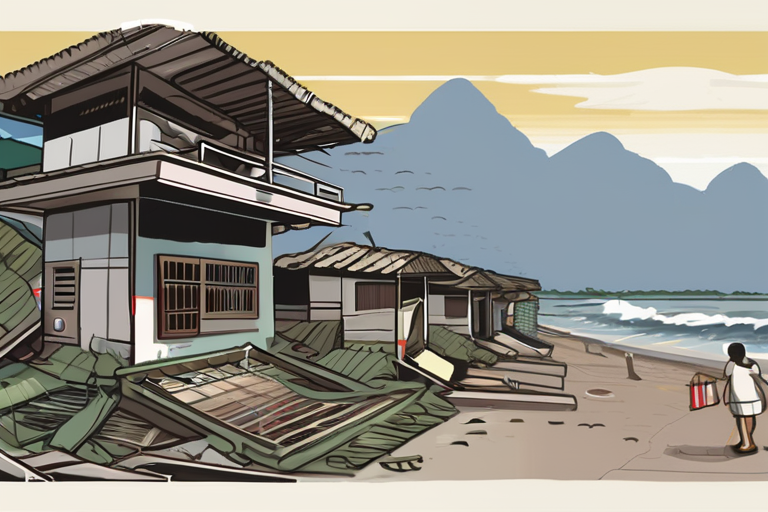
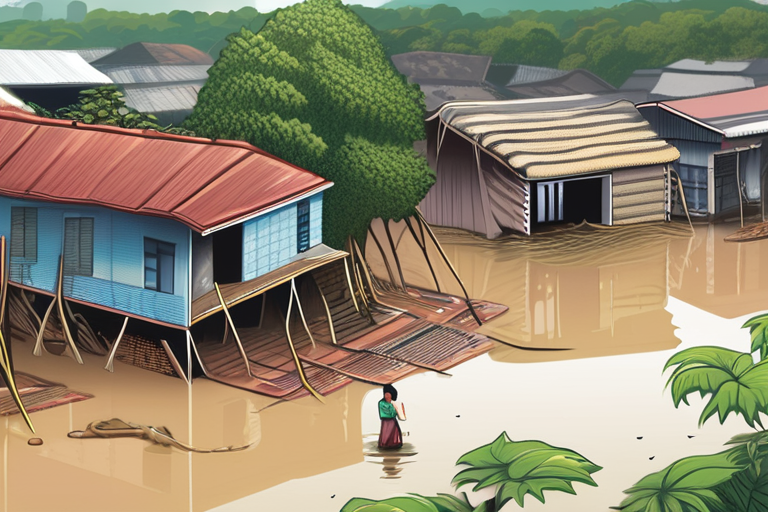
The cyclones made landfall between November 20 and 25, with the worst-hit areas being Indonesia's Sumatra and the Andaman and Nicobar Islands. Residents in Meureudu, Indonesia, were seen removing their belongings from flood-damaged homes. The storms also caused widespread power outages, communication disruptions, and damage to roads and bridges.
The immediate impact of the disaster is dire, with millions of people displaced, many suffering from illnesses, and others struggling to access food and clean water. Aid has been slow to arrive, and the international community is yet to fully recognize the scale of the disaster. The situation is further complicated by the fact that disaster early-warning systems are often ineffective in such extreme weather events.
The background to this disaster is a stark reminder of the consequences of climate change. Rising global temperatures are leading to more frequent and intense weather events, making it increasingly difficult for communities to prepare and respond. The Indian Ocean disaster is a wake-up call for the world to take collective action to mitigate the effects of climate change.
As the situation continues to unfold, the international community must come together to provide aid and support to those affected. This includes not only immediate relief efforts but also long-term investments in disaster preparedness and climate resilience. The world has a responsibility to learn from this disaster and take proactive steps to prevent similar tragedies in the future.
Indian Ocean Cyclones Claim Over 1,000 Lives: A Climate Tragedy in the Making
1
0
Multi-Source Journalism
This article synthesizes reporting from multiple credible news sources to provide comprehensive, balanced coverage.




















Share & Engage Share
Share this article