

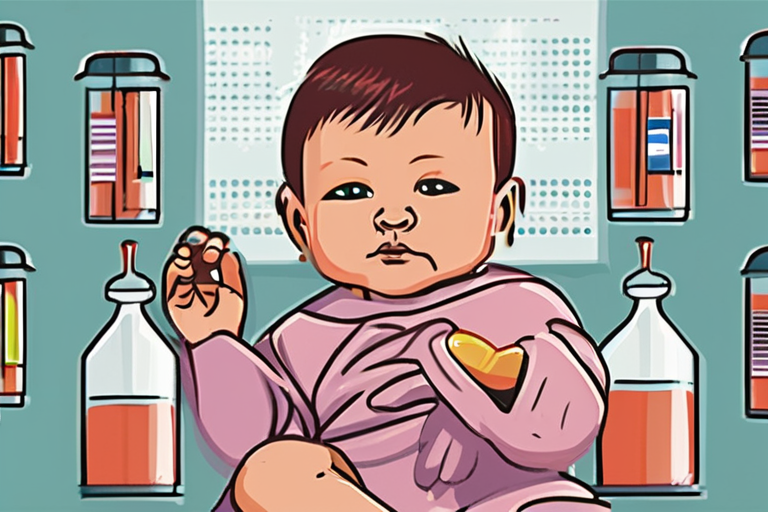
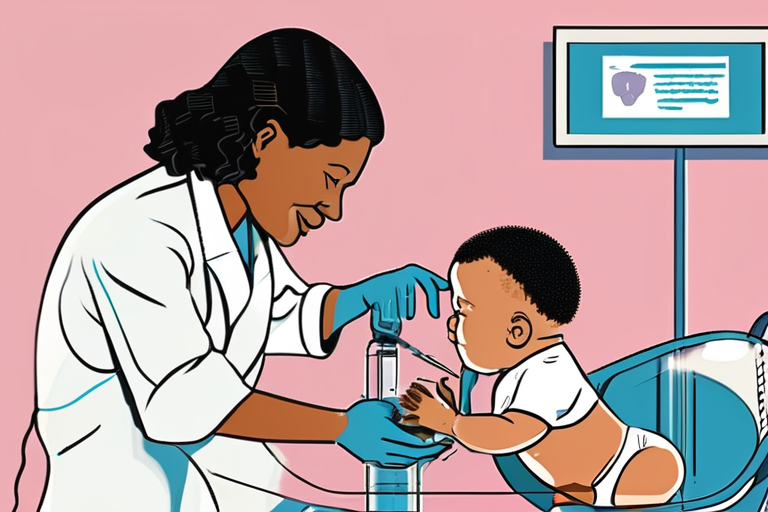
The federal government is ending its recommendation that every infant receive a hepatitis B vaccination at birth, a move that marks the most substantive change to the childhood immunization schedule yet under US Health Secretary Robert F. Kennedy Jr. The decision, which was made by the Centers for Disease Control and Prevention's (CDC) Advisory Committee on Immunization Practices (ACIP), will leave the question of whether to vaccinate newborns against hepatitis B to individual parents.
According to sources, the ACIP voted to reverse the longstanding recommendation that babies receive the hepatitis B vaccine within 24 hours of birth, citing concerns about the vaccine's safety and efficacy. The change is expected to take effect in the coming weeks, although it is not yet clear how it will be implemented.
"This is a reckless and irresponsible decision that puts the health and well-being of our children at risk," said Dr. Peter Hotez, a pediatrician and vaccine expert at Baylor College of Medicine. "There is no scientific evidence to support the claim that the hepatitis B vaccine is not safe or effective, and this decision will likely lead to an increase in hepatitis B infections and related illnesses."
Health Secretary Robert F. Kennedy Jr. has been a vocal critic of the hepatitis B vaccine, and his appointment to the position has been seen as a victory for anti-vaccination groups. In a statement, Kennedy said that the decision to reverse the recommendation was made after careful consideration and consultation with experts.
"We are committed to ensuring that parents have the information and freedom to make informed decisions about their children's health," Kennedy said. "This decision is a step in the right direction towards giving parents more control over their children's vaccination schedules."
However, many public health experts and pediatricians are expressing concern about the potential consequences of the decision. "This is a disaster waiting to happen," said Dr. Paul Offit, a pediatrician and vaccine expert at Children's Hospital of Philadelphia. "Hepatitis B is a serious disease that can cause liver damage and even death, and the vaccine is our best tool for preventing it. By reversing the recommendation, we are putting our children at risk of contracting this disease."
The decision to reverse the recommendation is part of a broader effort to overhaul the childhood vaccination schedule, which has been a topic of debate in recent years. The Trump administration has been pushing for greater flexibility in vaccination policies, and the decision to leave the question of hepatitis B vaccination to individual parents is seen as a key part of this effort.
As the decision takes effect, parents and healthcare providers are bracing for the potential consequences. "We are concerned about the impact this decision will have on our patients and their families," said Dr. Lisa Sanders, a pediatrician at the University of California, San Francisco. "We will continue to provide information and guidance to parents, but ultimately, it is up to them to make informed decisions about their children's health."
The CDC has announced that it will provide guidance and resources to healthcare providers and parents as the new policy takes effect. However, the exact details of how the policy will be implemented are still unclear, and many are left wondering what the future holds for childhood vaccination policies in the United States.
Federal Government Overhauls Childhood Vaccine Policy Under RFK Jr.'s Leadership
1
0

Multi-Source Journalism
This article synthesizes reporting from multiple credible news sources to provide comprehensive, balanced coverage.












Share & Engage Share
Share this article