

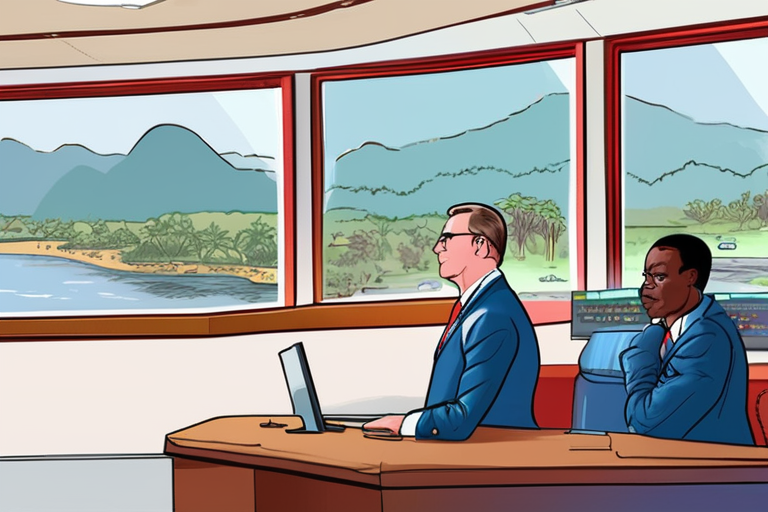
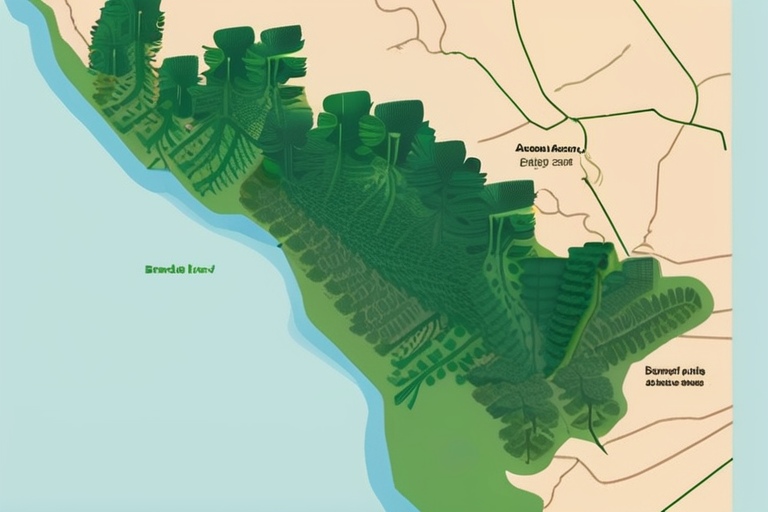
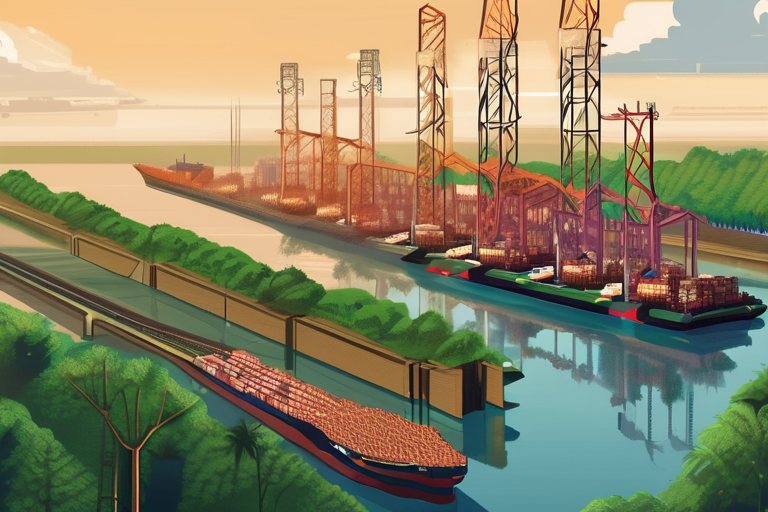
Peru's Chancay Port, a massive infrastructure project backed by Chinese investors, has raised concerns among environmentalists and scientists that it could push the Amazon Rainforest over the edge. The port, which began operations in 2022, is designed to handle massive cargo shipments, including soybeans and other agricultural products, from the Amazon region to major ports in Asia. According to data from the port's digital dashboard, thousands of miles of shipping routes crisscross the Pacific Ocean, connecting Chancay to Shanghai, the world's largest port.
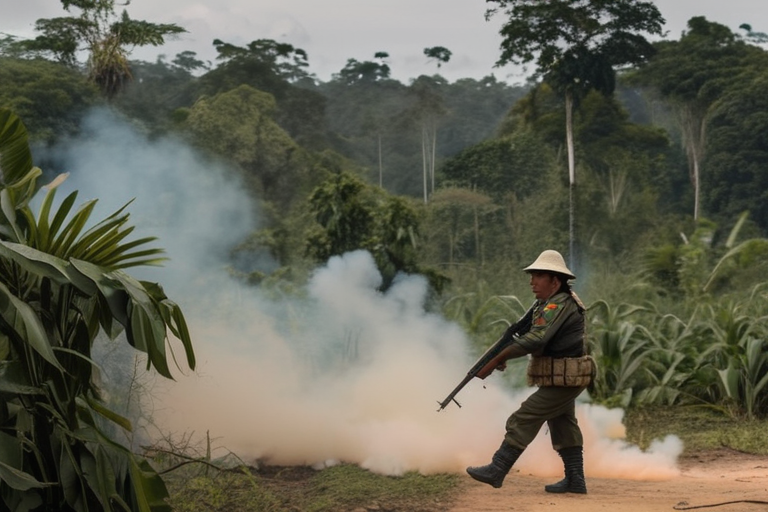
The port's efficiency statistics, displayed on the dashboard, show that it has already become a major hub for international trade, with significant increases in shipping volume and cargo throughput. "The Chancay Port is a game-changer for Peru's economy," said a spokesperson for the port's management company. "It will create thousands of jobs and generate billions of dollars in revenue for the country." However, environmentalists and scientists are sounding the alarm, warning that the increased demand for soybeans and other agricultural products could lead to widespread deforestation in the Amazon region.
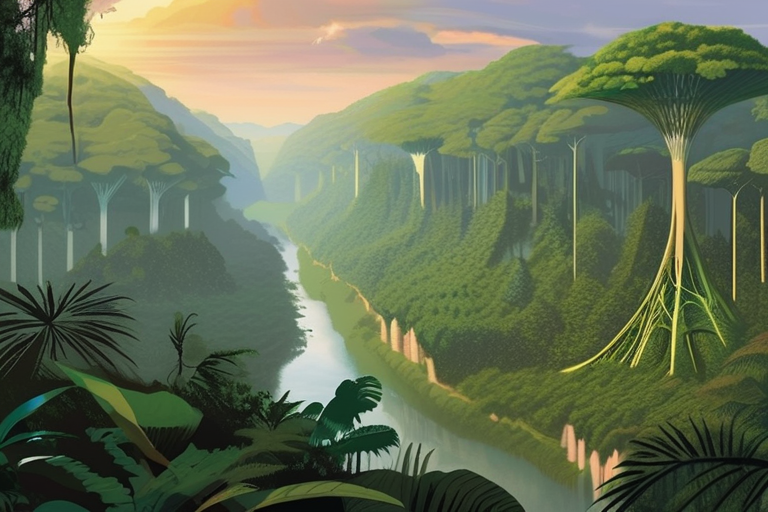
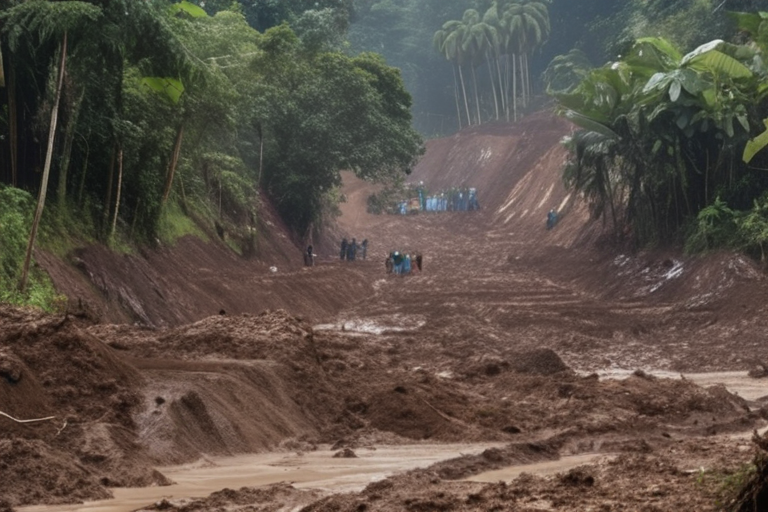
The Amazon Rainforest, which spans across nine countries in South America, including Peru, Brazil, and Colombia, is one of the most biodiverse ecosystems on the planet. However, it is also one of the most threatened, with widespread deforestation and habitat destruction driven by agricultural expansion, logging, and other human activities. "The Chancay Port is a symptom of a larger problem," said Dr. Maria Rodriguez, a leading expert on Amazonian ecology. "The demand for soybeans and other agricultural products is driving deforestation at an alarming rate, and the Chancay Port is just one of many infrastructure projects that will exacerbate this problem."
The port's management company has disputed these claims, arguing that it has implemented strict environmental safeguards and is committed to sustainable practices. However, environmentalists and scientists remain skeptical, pointing to the port's rapid expansion and the lack of transparency in its operations. "We need to see more than just promises from the port's management company," said Dr. Rodriguez. "We need to see concrete actions to protect the Amazon Rainforest and its inhabitants."
The Chancay Port is just one of several major infrastructure projects planned for the Amazon region, including a proposed highway that would connect the port to the Brazilian city of Manaus. These projects have been welcomed by some as a much-needed boost to the region's economy, but they have also been criticized for their potential environmental impact. As the debate over the Chancay Port continues, one thing is clear: the fate of the Amazon Rainforest hangs in the balance.
In recent months, the Peruvian government has announced plans to strengthen environmental regulations and enforcement in the Amazon region, including the creation of new protected areas and the establishment of a national park system. However, these efforts have been met with skepticism by environmentalists and scientists, who argue that they do not go far enough to address the root causes of deforestation and habitat destruction. As the Chancay Port continues to operate, the world will be watching to see whether Peru's government can balance the needs of economic development with the need to protect the Amazon Rainforest.
Chinese-Backed Port in Peru Accelerates Amazon Rainforest Deforestation Risks
1
0

Multi-Source Journalism
This article synthesizes reporting from multiple credible news sources to provide comprehensive, balanced coverage.
















Share & Engage Share
Share this article