

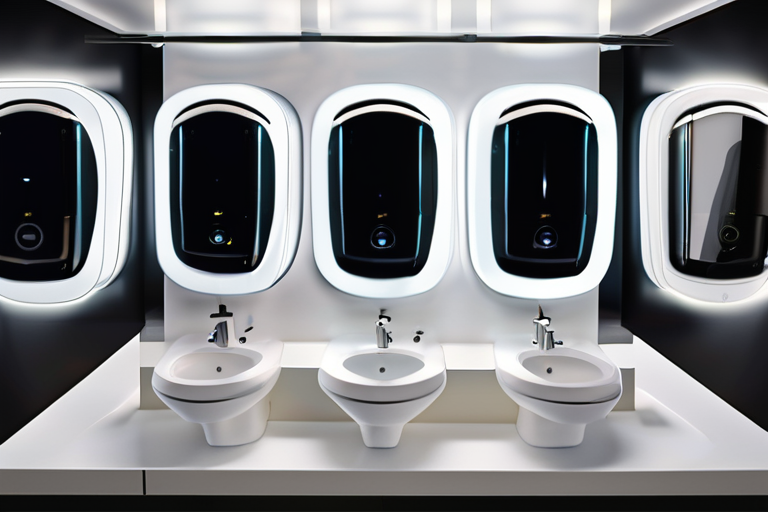
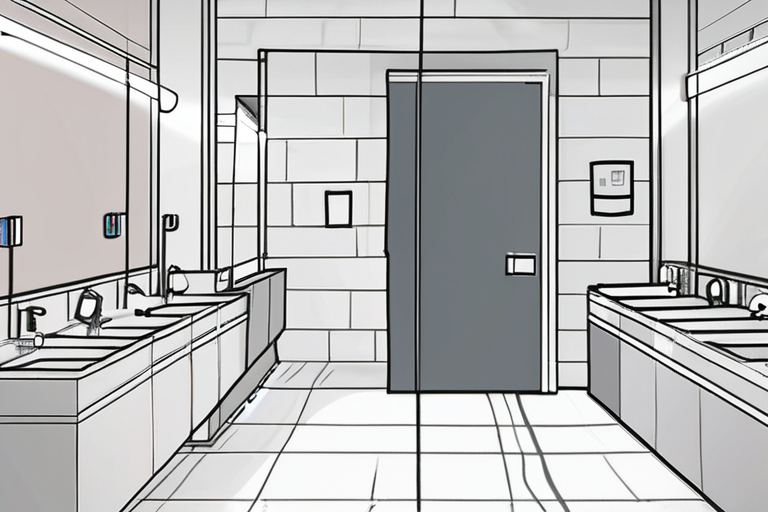
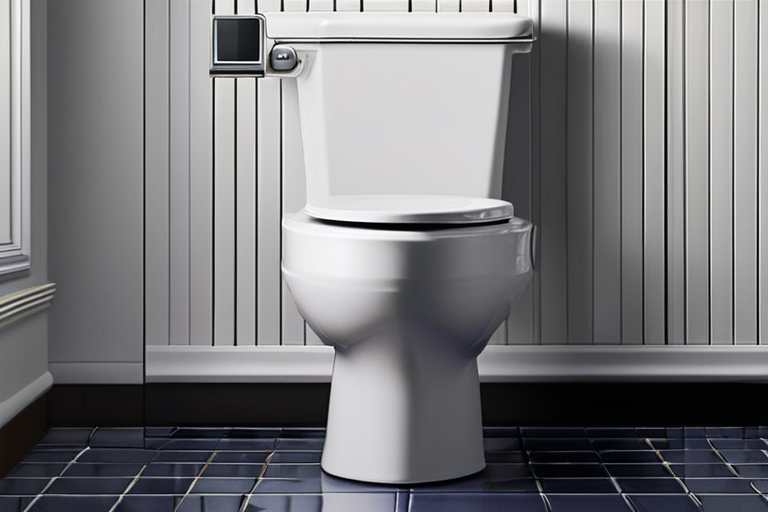
Kohler, a leading manufacturer of bathroom fixtures, has revealed that its smart toilet cameras, which were marketed as a convenient and high-tech way to monitor toilet usage, were not end-to-end encrypted. This means that users' data, including sensitive information such as bathroom habits and potentially even health metrics, were not protected from unauthorized access.
According to a statement released by Kohler, the company had initially claimed that its smart toilet cameras were end-to-end encrypted, implying that only the user and Kohler itself could access the data. However, an investigation by a cybersecurity expert revealed that the encryption was not as robust as claimed, leaving users' data vulnerable to hacking and unauthorized access.
"We were surprised to learn that Kohler's smart toilet cameras were not end-to-end encrypted," said the cybersecurity expert, who wished to remain anonymous. "This is a serious concern, as it means that users' sensitive information could be accessed by unauthorized parties, potentially compromising their privacy and security."
Kohler has since issued a statement apologizing for the mistake and assuring users that they are taking steps to rectify the issue. "We take the security and privacy of our users' data very seriously," said a spokesperson for Kohler. "We are working to implement end-to-end encryption on our smart toilet cameras and are committed to ensuring that our users' data is protected."
The revelation has raised concerns over the security and privacy of smart home devices, which are increasingly becoming a part of our daily lives. As more and more devices are connected to the internet, the risk of data breaches and unauthorized access increases.
The issue of end-to-end encryption is particularly relevant in the context of smart home devices, which often rely on cloud-based services to function. While cloud-based services can provide convenient features and functionality, they also create risks around data security and privacy.
In recent years, there have been several high-profile data breaches involving smart home devices, including a 2020 breach of Ring doorbells that exposed the personal data of thousands of users. The breach highlighted the need for robust security measures and end-to-end encryption to protect users' data.
Kohler's smart toilet cameras are just one example of the many smart home devices that are vulnerable to data breaches and unauthorized access. As the use of smart home devices continues to grow, it is essential that manufacturers prioritize data security and user privacy.
In response to the controversy, Kohler has announced plans to implement end-to-end encryption on its smart toilet cameras and to provide users with more transparency and control over their data. The company has also committed to conducting regular security audits and to working with cybersecurity experts to ensure that its devices are secure and protected.
The incident serves as a reminder of the importance of robust security measures and end-to-end encryption in protecting users' data and ensuring their privacy. As the use of smart home devices continues to grow, it is essential that manufacturers prioritize data security and user privacy to build trust and confidence among users.
Kohler's Smart Toilets Exposed: Camera Data Not End-to-End Encrypted
1
0
Multi-Source Journalism
This article synthesizes reporting from multiple credible news sources to provide comprehensive, balanced coverage.










Share & Engage Share
Share this article