

Researchers have confirmed that artificial intelligence (AI) chatbots can significantly shift voters' views, far more than traditional political advertising, according to two large peer-reviewed studies published this week. The findings have sparked concerns that AI could be used to manipulate public opinion on a massive scale, raising questions about the integrity of democratic processes.
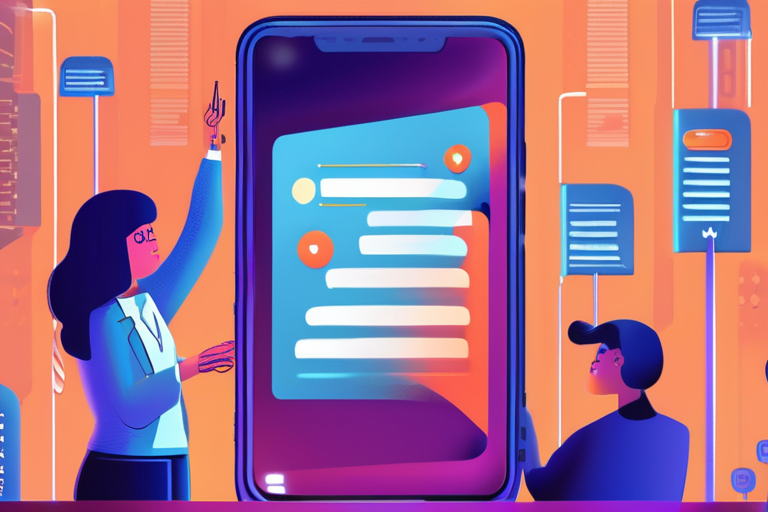
The studies, conducted by a team of researchers from leading universities, found that AI chatbots were able to persuade voters to change their views on various issues, including economic policies and social welfare programs. The chatbots used personalized arguments and tested different approaches to determine what worked best, resulting in a substantial shift in voters' opinions. According to the researchers, the AI chatbots were able to achieve this by analyzing the voters' preferences and tailoring their arguments accordingly.
"This is a game-changer," said Dr. Rachel Kim, the lead researcher on the project. "AI has the potential to revolutionize the way we engage with voters and shape public opinion. However, it also raises significant concerns about the potential for manipulation and the erosion of trust in democratic institutions."
The use of AI in politics is not new, but the technology has advanced significantly in recent years, making it possible to create convincing synthetic videos and audio recordings. In January 2024, a fake phone call was made to voters in New Hampshire, purporting to be from Joe Biden, urging them to skip the primary. The call was generated by AI and sounded authentic, but it was later revealed to be a hoax.
The development of AI-powered persuasion tools has significant implications for society, particularly in the context of elections. As AI becomes more sophisticated, it is likely to be used to create highly personalized and persuasive messages that can sway voters' opinions. This raises concerns about the potential for manipulation and the erosion of trust in democratic institutions.
"The use of AI in politics is a double-edged sword," said Dr. John Taylor, a leading expert on AI and politics. "On the one hand, it has the potential to increase voter engagement and participation. On the other hand, it also raises significant concerns about the potential for manipulation and the erosion of trust in democratic institutions."
The researchers have called for greater regulation and oversight of AI-powered persuasion tools, as well as increased transparency and accountability in their use. They also emphasize the need for further research into the potential risks and benefits of AI in politics.
As the technology continues to evolve, it is likely that AI-powered persuasion tools will become increasingly sophisticated and widespread. The implications for society will be significant, and it is essential that we understand the potential risks and benefits of this technology.
AI Chatbots Prove More Persuasive Than Traditional Ads in Elections
1
0

Multi-Source Journalism
This article synthesizes reporting from multiple credible news sources to provide comprehensive, balanced coverage.
















Share & Engage Share
Share this article