

Qatar's Energy Minister Expresses Concern Over Potential LNG Shortage
Qatar's Energy Minister, Saad Sherida Al-Kaabi, recently expressed his concerns over a potential shortage of liquefied natural gas (LNG) and natural gas supplies beyond 2035. According to Al-Kaabi, the surge in energy use from artificial intelligence (AI) and a lack of investment in the energy sector are driving the expected shortage.
The global demand for LNG is projected to increase by 600 million to 700 million tons annually over the next decade, surpassing the current yearly production level of 400 million tons. This significant growth is largely attributed to the increasing energy requirements of AI, which is expected to become a major driver of energy demand in the coming years. The International Energy Agency (IEA) estimates that AI could account for up to 20% of global electricity demand by 2030.
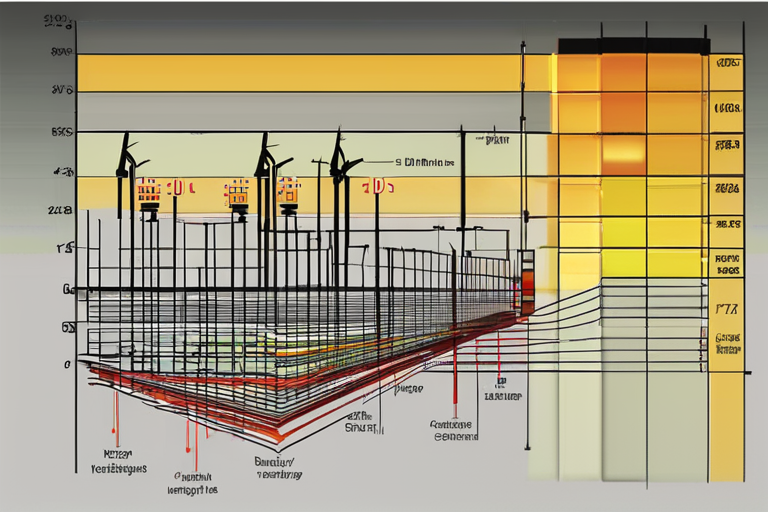
The financial implications of this potential shortage are substantial. The cost of LNG has already increased significantly in recent years, with prices rising by over 50% in 2023 alone. This surge in prices has had a ripple effect on the global energy market, with many companies struggling to maintain profitability. According to a report by Wood Mackenzie, the average cost of LNG production is around $10 per million British thermal units (MMBtu), while the current market price is around $18 per MMBtu.
The market impact of this potential shortage will be far-reaching. Many companies that rely heavily on LNG, such as power generators and industrial manufacturers, may face significant increases in their energy costs. This could lead to reduced profitability and potentially even bankruptcy for some companies. The shortage could also have a negative impact on the global economy, particularly in regions that rely heavily on LNG imports.
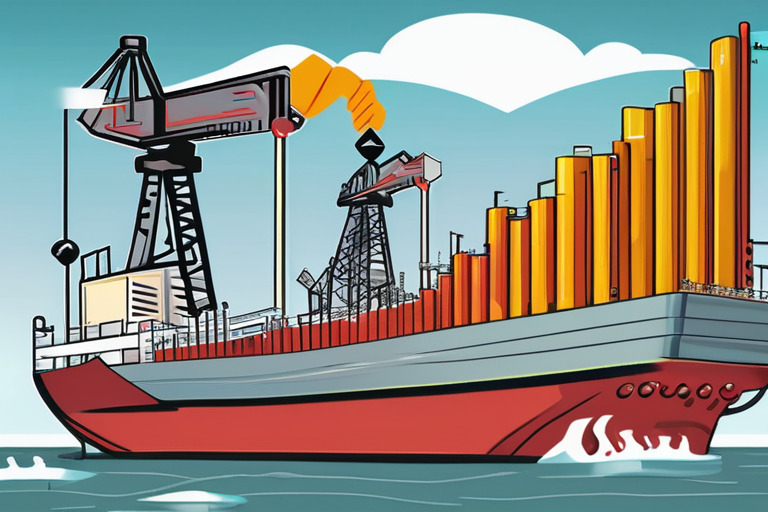
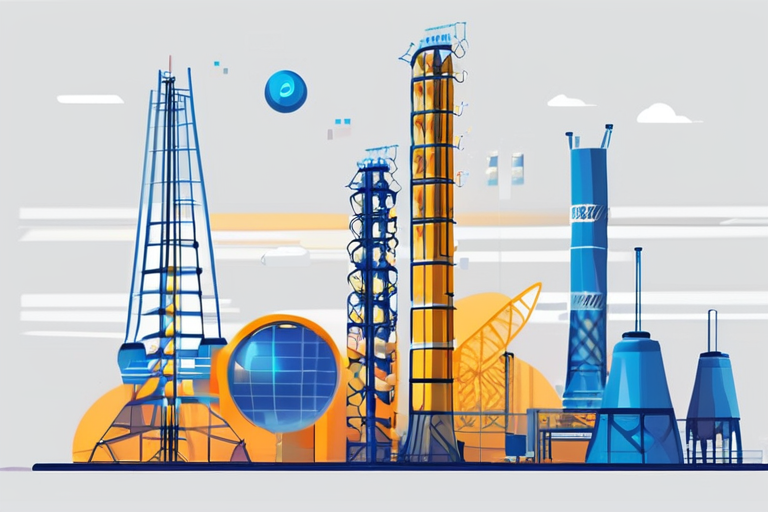
Qatar, one of the world's largest LNG producers, has a significant stake in the global energy market. The country's energy sector is dominated by Qatar Petroleum, which is responsible for the majority of the country's oil and gas production. Qatar Petroleum has invested heavily in the development of its LNG infrastructure, including the construction of several new LNG production facilities.
Despite the concerns expressed by Al-Kaabi, there are still opportunities for investment in the energy sector. Many companies are looking to invest in renewable energy sources, such as solar and wind power, which could help to reduce the demand for LNG. However, the transition to renewable energy will take time, and in the short term, the demand for LNG is likely to continue to grow.
In conclusion, the potential shortage of LNG and natural gas supplies beyond 2035 is a significant concern for the global energy market. The surge in energy use from AI and a lack of investment in the energy sector are driving the expected shortage, which could have far-reaching implications for companies and the global economy. While there are opportunities for investment in renewable energy, the demand for LNG is likely to continue to grow in the short term, making it essential for companies to develop strategies to mitigate the risks associated with this potential shortage.
Qatar's Energy Minister Warns of Looming LNG Shortage Amid Rising Global Demand
1
0

Multi-Source Journalism
This article synthesizes reporting from multiple credible news sources to provide comprehensive, balanced coverage.



















Share & Engage Share
Share this article