

Breaking News: Indian Ocean Disaster Leaves Trail of Devastation
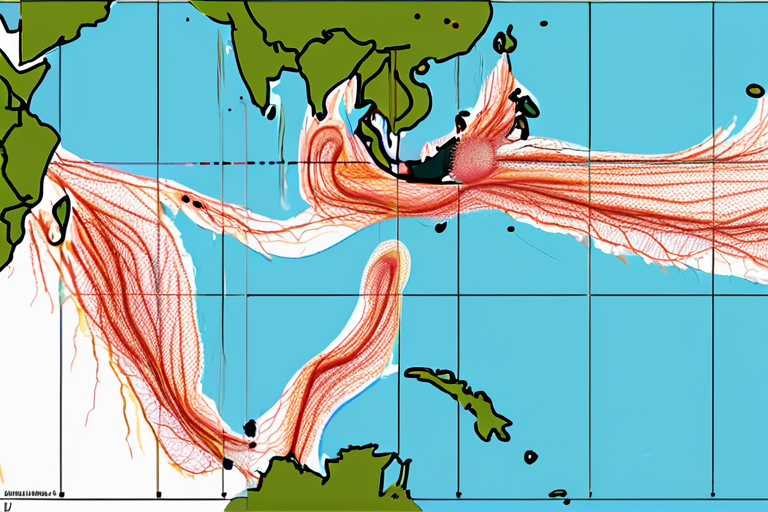
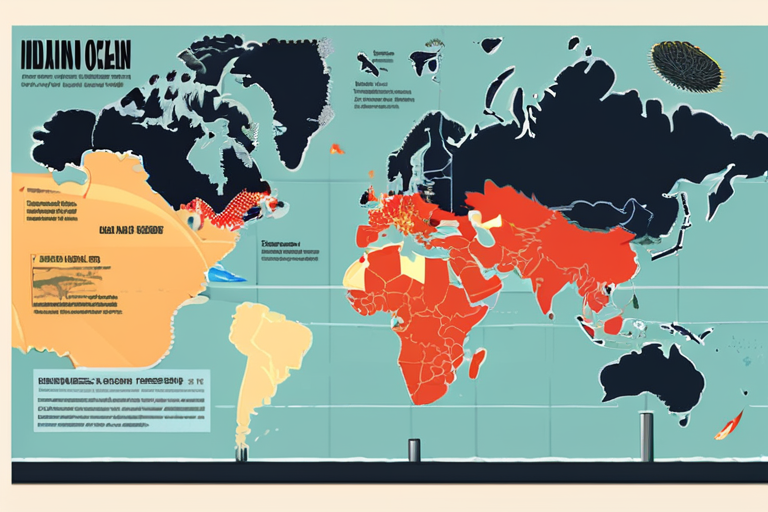
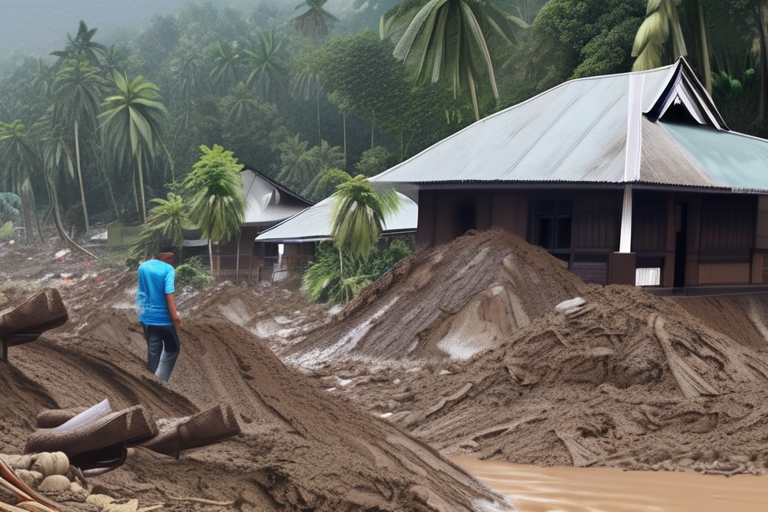
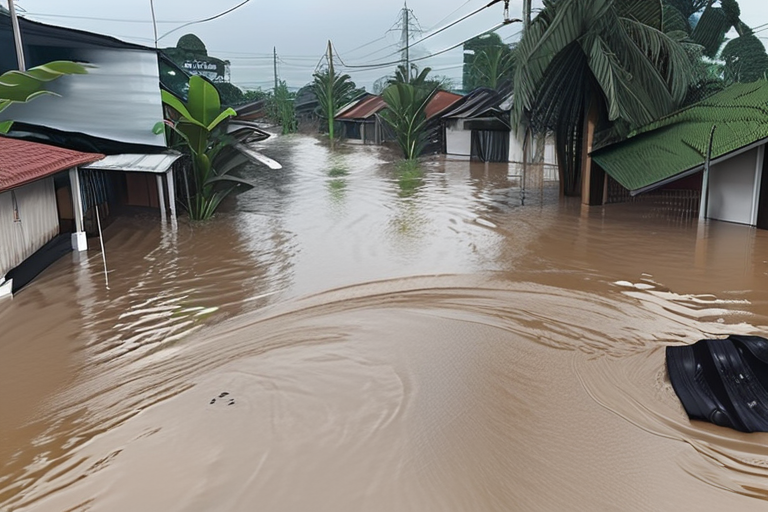
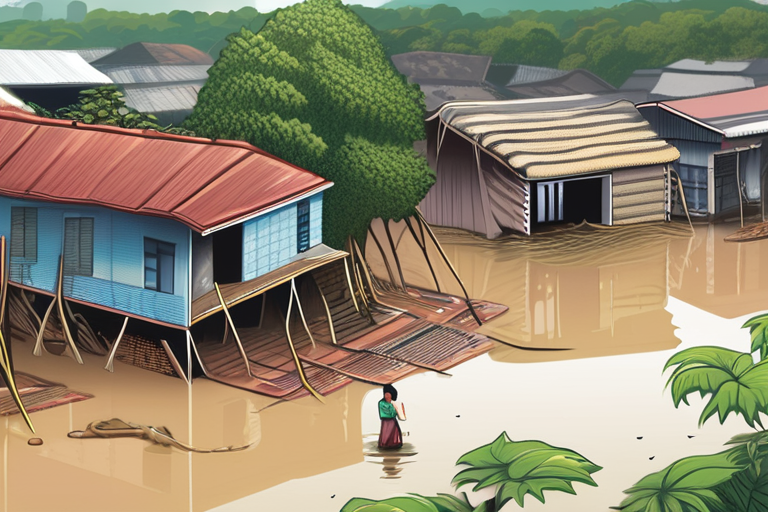
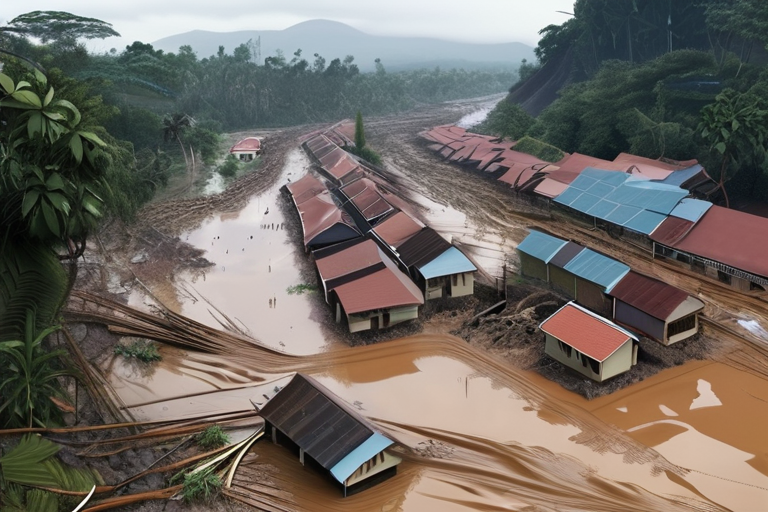
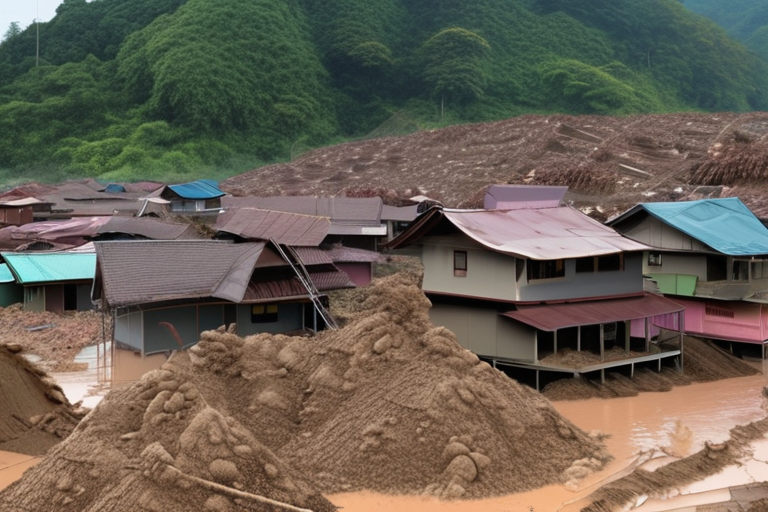
At least 1,000 people have lost their lives in a series of devastating tropical cyclones that swept across the Indian Ocean in late November. The storms, which included Senyar, Ditwah, and Koto, brought torrential rains, high winds, landslides, and flash floods to countries including Indonesia, Malaysia, Vietnam, Thailand, India, the Philippines, and Sri Lanka. Millions of people have been displaced, with many struggling to access basic necessities like food and medical care.
The cyclones made landfall between November 20 and 25, with the worst-hit areas being Indonesia's Sumatra and the Andaman and Nicobar Islands. The governor of Aceh, Muzakir Manaf, has compared the destruction to the 2004 Indian Ocean tsunami, which killed over 230,000 people. However, unlike the tsunami, the recent storms have received relatively little attention from the global community.
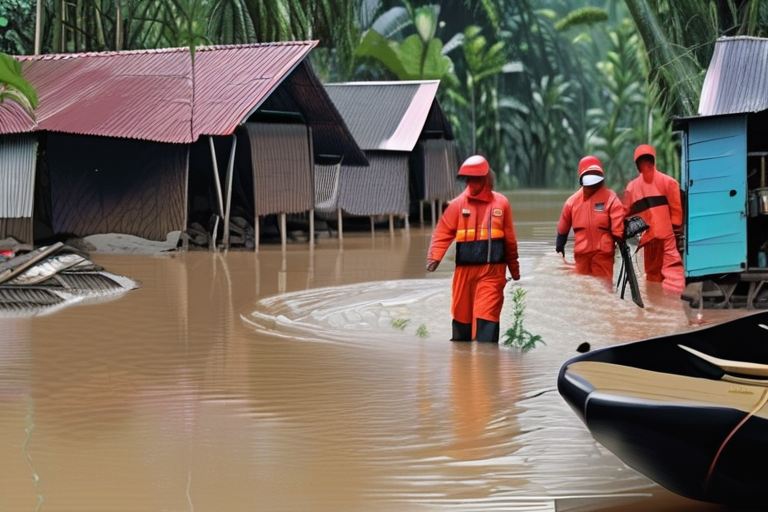
Aid efforts have been slow to materialize, with many affected communities still waiting for assistance. The lack of attention to this disaster is a stark reminder of the world's growing complacency in the face of climate-related emergencies. As the Indian Ocean disaster demonstrates, disaster early-warning systems are only as effective as the collective action taken to support them.
The storms' unusual nature has caught scientists off guard, with many still trying to understand the underlying causes. The extreme rainfall and storm surges have been attributed to a combination of climate change and the Indian Ocean's natural variability. However, the long-term implications of this disaster are still unclear.
As the situation continues to unfold, the international community must come together to provide support to those affected. The Indian Ocean disaster is a stark reminder of the need for collective action in the face of climate-related emergencies. With millions of people displaced and many more at risk, it is imperative that we learn from this disaster and work towards a more resilient future.
In the coming days, the world will be watching as aid efforts are mobilized and the full extent of the damage becomes clear. As the Indian Ocean disaster serves as a stark reminder of the need for climate action, it is essential that we prioritize the needs of those affected and work towards a more sustainable future for all.
Indian Ocean Cyclones Claim Over 1,000 Lives, Exposing Climate Vulnerabilities
1
0
Multi-Source Journalism
This article synthesizes reporting from multiple credible news sources to provide comprehensive, balanced coverage.



















Share & Engage Share
Share this article