

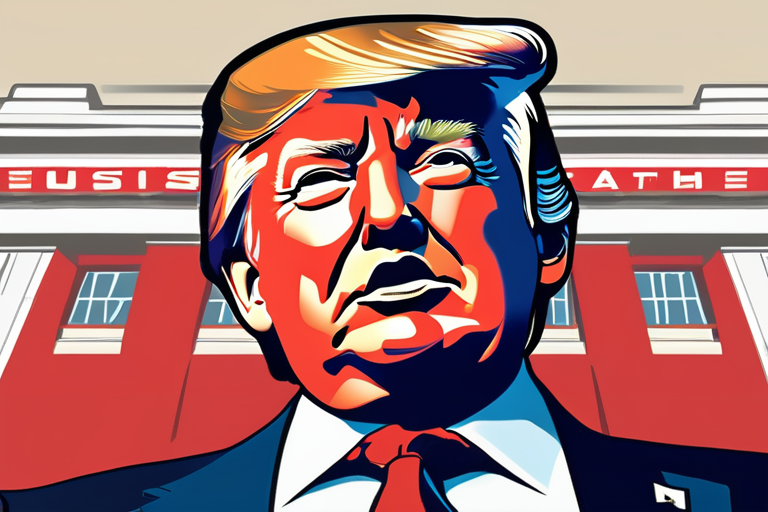
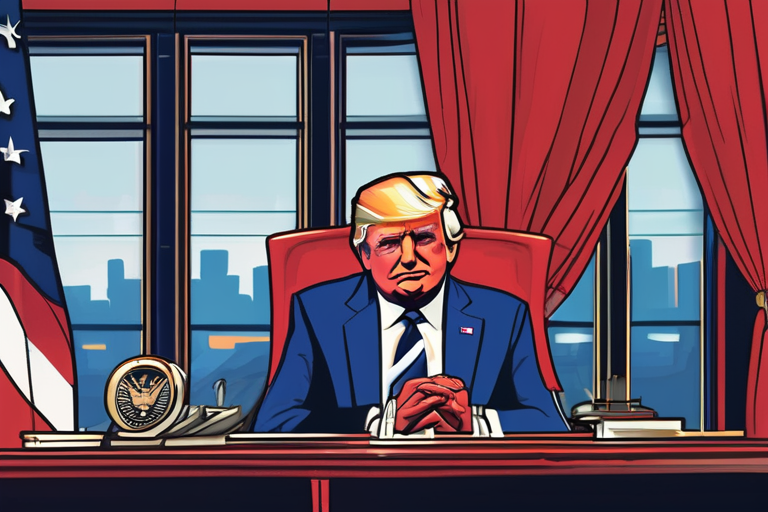
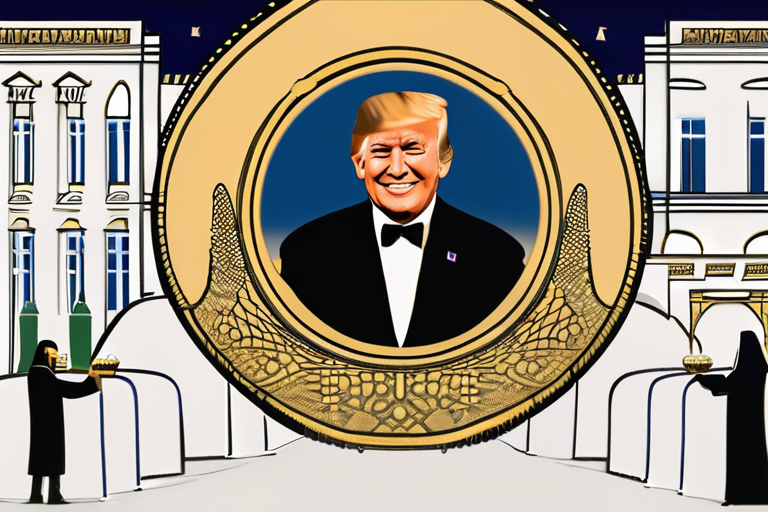
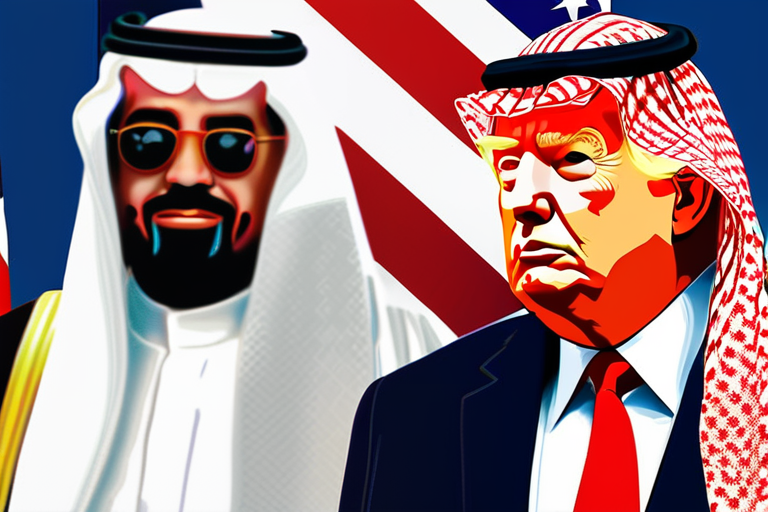
The idea of neoroyalism was first introduced by two unnamed American political scientists, who argue that the Trump administration's approach to foreign policy is characterized by a mix of personal relationships, family ties, and business interests. This approach is reminiscent of the medieval European royal families, where diplomacy and power were often exercised through personal connections and family alliances. In an interview, one of the scientists noted that "the Trump administration's use of family members and old business partners in key negotiations is a hallmark of neoroyalism." Another scientist added that "this approach is not only unorthodox but also potentially destabilizing, as it can create conflicts of interest and undermine the credibility of the administration."
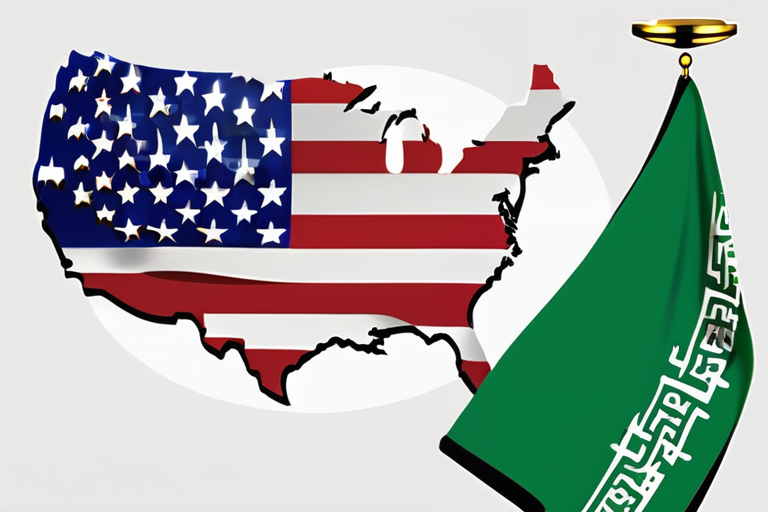
The concept of neoroyalism has sparked interest among international observers, who see parallels between the Trump administration's approach and the behavior of other authoritarian regimes. In an interview, a European diplomat noted that "while the Trump administration's neoroyalism is certainly unique, it shares some similarities with the way some authoritarian leaders in the Middle East and Asia exercise power." A Chinese analyst added that "the Trump administration's emphasis on personal relationships and family ties is a reflection of its own cultural and historical context, but it also raises questions about the accountability and transparency of the administration's decision-making process."
The idea of neoroyalism has been gaining traction in academic circles, with some scholars arguing that it provides a useful framework for understanding the Trump administration's foreign policy. However, others have questioned the concept's validity, arguing that it oversimplifies the complexities of the administration's approach. As one scholar noted, "while the Trump administration's behavior may share some similarities with neoroyalism, it is not a straightforward application of the concept. There are many other factors at play, including the administration's ideological commitments and its response to changing global circumstances."
The concept of neoroyalism is likely to continue to be debated in academic and policy circles, with some arguing that it provides a useful framework for understanding the Trump administration's foreign policy and others questioning its validity. As the world watches the ongoing developments in the Trump administration, one thing is clear: the concept of neoroyalism has added a new layer of complexity to the analysis of the administration's approach to foreign policy.
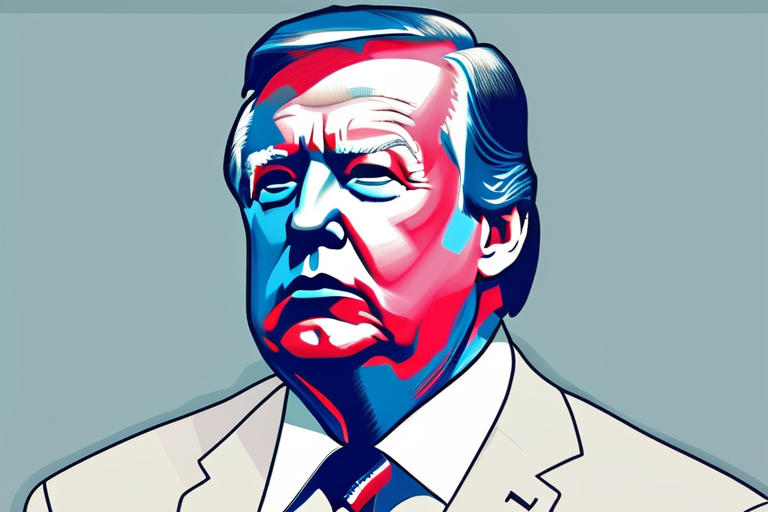
Trump Administration's Unconventional Foreign Policy: A New Era of "Neo-Royalism
1
0

Multi-Source Journalism
This article synthesizes reporting from multiple credible news sources to provide comprehensive, balanced coverage.


















Share & Engage Share
Share this article