

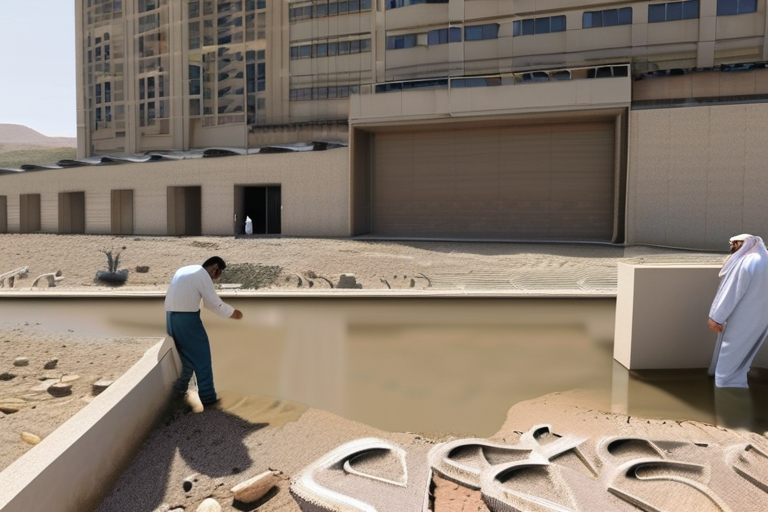
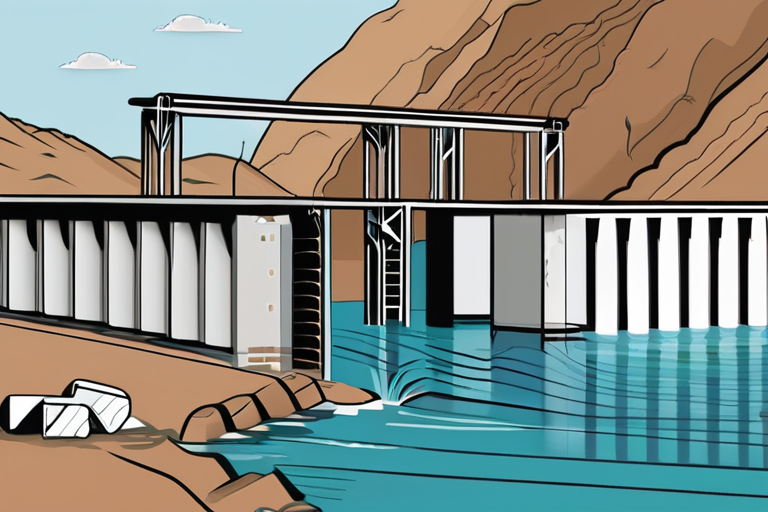
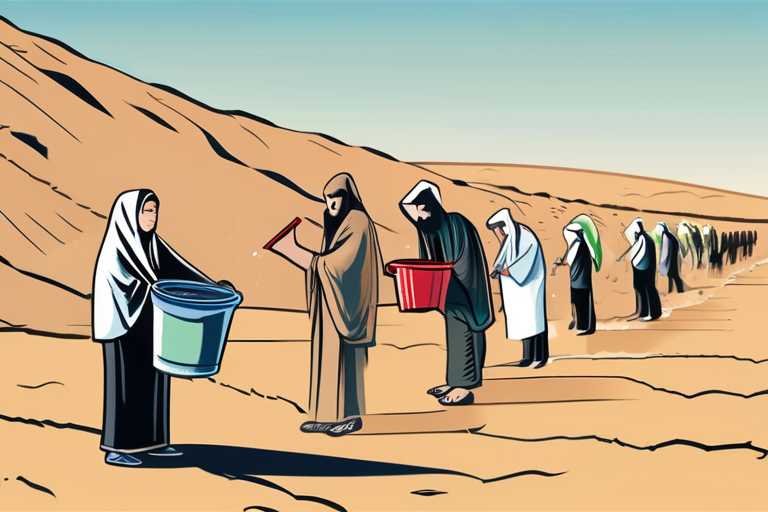
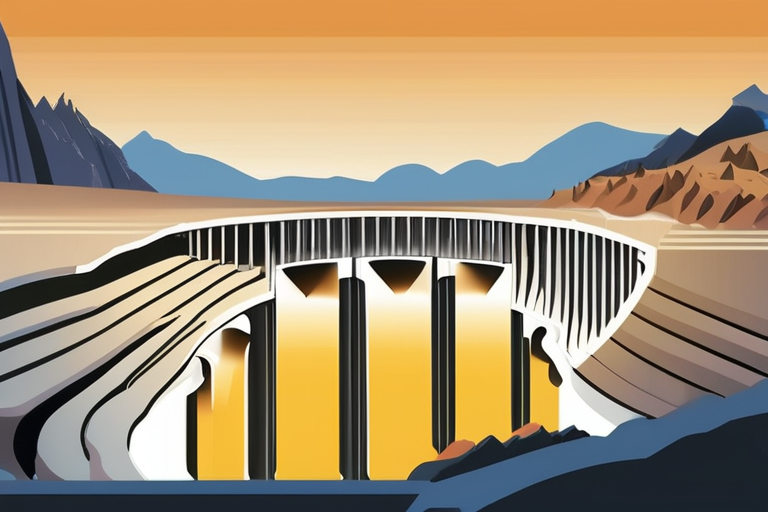
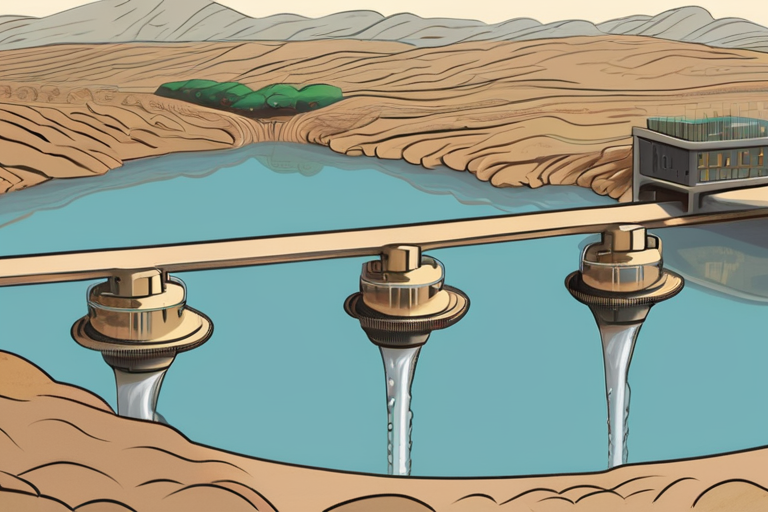
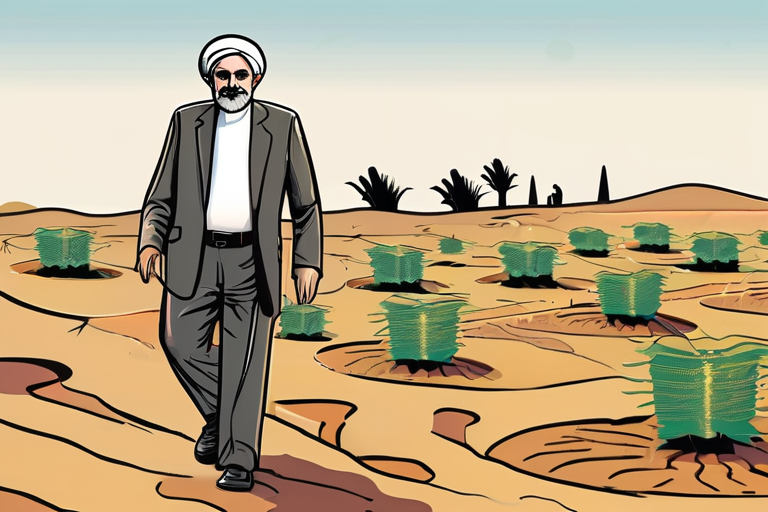
Shares of water-consciousness plummeted in Tehran, Iran, as the city's water supply reached critically low levels. The reservoir behind Amir Kabir Dam, a main source of drinking water for Tehran, had dropped to about 8 percent of its capacity by early November, prompting officials to impose strict water-saving measures. The drought, exacerbated by consecutive years of reduced precipitation and ongoing drought conditions across Iran, has left the capital facing a potential Day Zero when taps could run dry.
According to experts, the extreme heat wave that swept across the region in the summer of 2025, with daytime temperatures reaching as high as 50 degrees Celsius (122 degrees Fahrenheit), further strained the city's water supply systems. "The heat wave was a perfect storm that pushed our water resources to the limit," said Dr. Ali Rezaei, a water management expert at the University of Tehran. "We're seeing a perfect example of how climate change is affecting our water security."
The drought has had far-reaching consequences for Tehran's urban systems. Rivers and wetlands have shrunk, and dry soils have led to high evaporation rates, further depleting the city's water supply. The falling reservoir levels have also disrupted hydropower generation, leaving the city vulnerable to power outages. "We're doing everything we can to conserve water, but it's a challenging situation," said Tehran's Mayor, Pirouz Hanachi. "We're working closely with the government and water authorities to find solutions."
The crisis in Tehran reflects a broader trend of water scarcity affecting many parts of the world. Climate change is altering precipitation patterns, leading to more frequent and severe droughts. According to the United Nations, nearly 2 billion people live in areas with severe water scarcity, and this number is expected to rise to 3.5 billion by 2025.
The Iranian government has announced plans to invest in desalination plants and other water conservation measures to address the crisis. However, experts warn that these measures will take time to implement and may not be enough to meet the city's growing water demands. "We need to think about the long-term sustainability of our water resources," said Dr. Rezaei. "We can't just rely on short-term fixes; we need to adopt a more holistic approach to water management."
As the situation in Tehran continues to unfold, officials are urging residents to conserve water and adhere to strict water-saving measures. The city's water supply is expected to remain under strain for the foreseeable future, and residents are bracing themselves for the possibility of Day Zero.
Tehran's Water Crisis Hits Critical Levels: A 92% Drop in Reservoir Capacity
1
0
Multi-Source Journalism
This article synthesizes reporting from multiple credible news sources to provide comprehensive, balanced coverage.
















Share & Engage Share
Share this article