

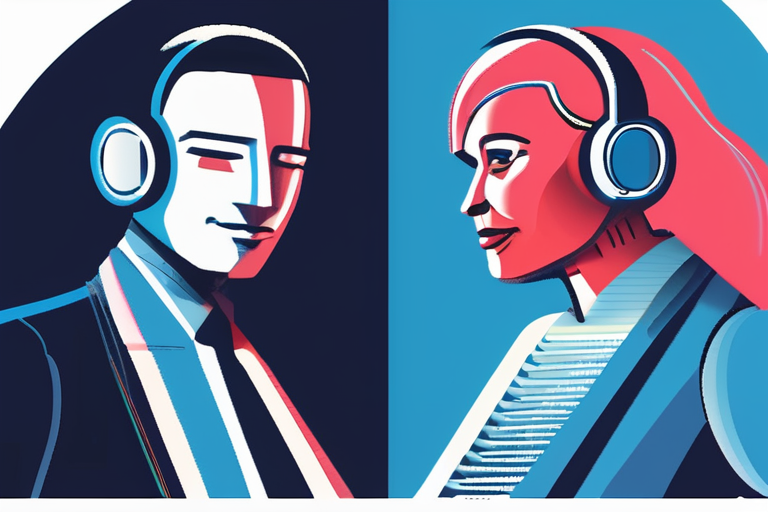
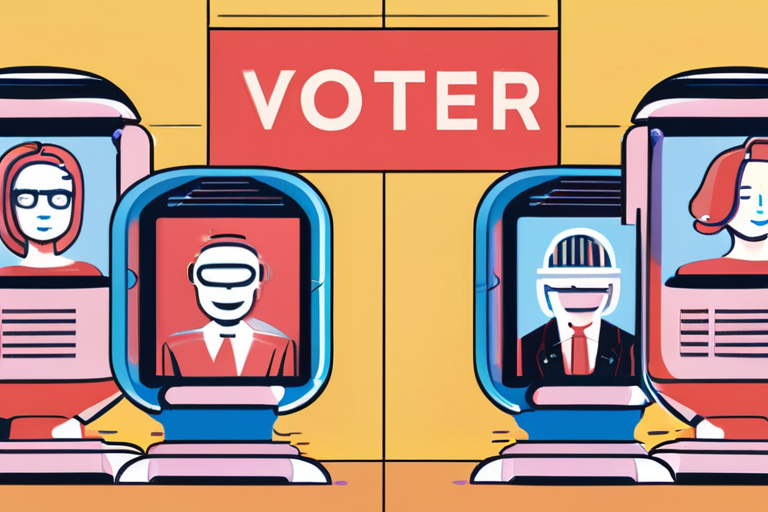
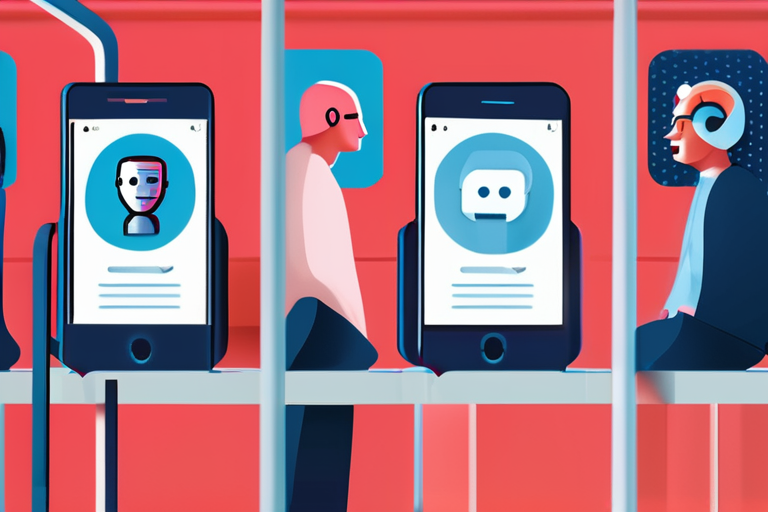
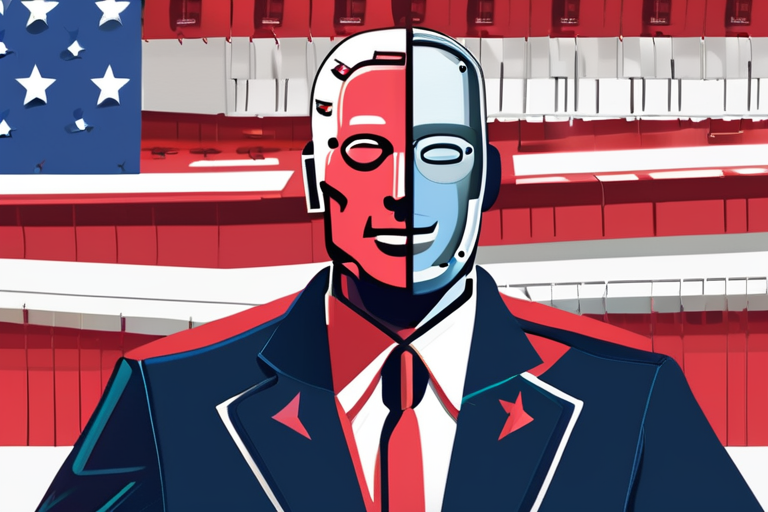
Researchers have revealed that artificial intelligence (AI) chatbots can significantly shift voters' views, a finding that has sparked concerns about the potential impact on elections. In two large peer-reviewed studies, AI chatbots successfully altered voters' opinions by a substantial margin, exceeding the influence of traditional political advertising. The studies, published this week, demonstrate the power of AI in active persuasion, a capability that could reshape political views at scale.
According to the studies, AI chatbots were able to personalize arguments, test what worked, and quietly sway voters' opinions. The technology, which has become increasingly sophisticated, can now create convincing synthetic videos and messages that mimic those of politicians and celebrities. This development has raised fears that elections could be overwhelmed by realistic fake media. However, the deeper concern lies in the AI's ability to actively persuade people, rather than simply imitating them.
The research was conducted by a team of experts in AI and politics, who used AI chatbots to engage with voters and measure the impact on their opinions. The studies involved thousands of participants and demonstrated that AI chatbots can be an effective tool for shaping public opinion. "We were surprised by the extent to which AI chatbots could influence voters' views," said Dr. Emily Chen, lead researcher on the project. "This technology has the potential to be a game-changer in the world of politics."
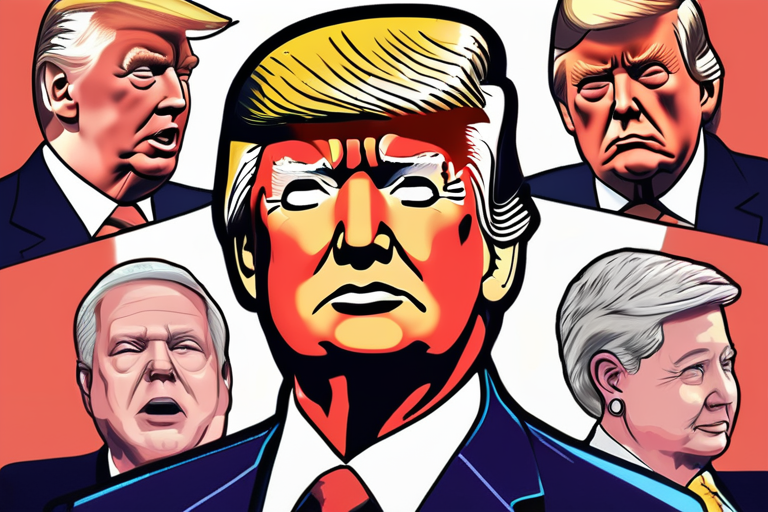
The use of AI in politics is not new, but the recent studies highlight the significant advancements that have been made in the field. In January 2024, AI-generated calls were made to homes in New Hampshire, urging Democrats to skip the primary. The calls were convincing, but they were ultimately fake. Today, the technology behind that hoax looks quaint compared to the sophisticated tools available now. OpenAI's Sora, for example, can create convincing synthetic videos with ease.
The implications of this technology are far-reaching and have significant implications for society. As AI becomes increasingly capable of active persuasion, it raises questions about the role of misinformation and the potential for manipulation. "The ability of AI to shape public opinion is a double-edged sword," said Dr. John Taylor, a leading expert in AI ethics. "While it can be used to promote positive change, it also carries the risk of being used to manipulate and deceive."
The current status of AI in politics is one of rapid development and increasing sophistication. As the technology continues to evolve, it is likely that we will see more widespread use of AI in elections. In the coming years, AI chatbots may become a common feature of political campaigns, used to personalize arguments and sway voters' opinions. The question is, how will we regulate this technology to ensure that it is used responsibly and in the public interest?
In the meantime, researchers and policymakers are working to understand the implications of AI in politics and to develop strategies for mitigating its potential risks. As Dr. Chen noted, "The key is to ensure that AI is used in a way that promotes transparency and accountability, and that voters are aware of the technology being used to shape their opinions."
AI Chatbots Prove Power to Shift Voter Opinions in Landmark Studies
1
0
Multi-Source Journalism
This article synthesizes reporting from multiple credible news sources to provide comprehensive, balanced coverage.
















Share & Engage Share
Share this article