

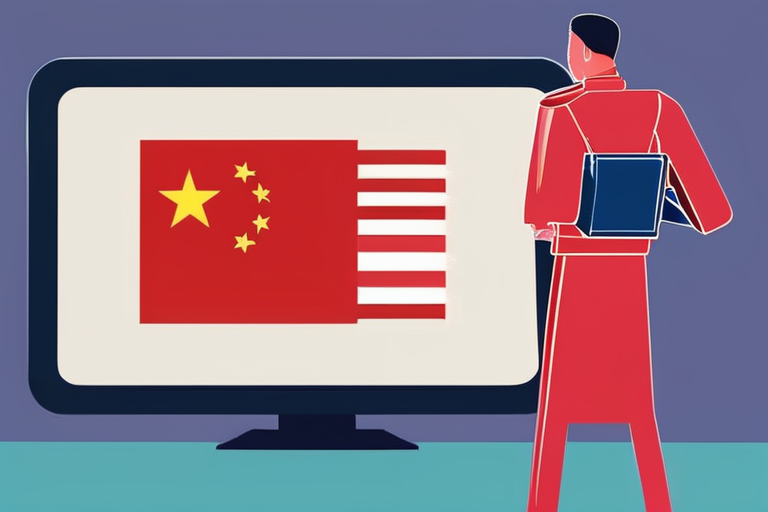
Nvidia CEO Jensen Huang recently expressed concerns about China's infrastructure and energy capabilities, highlighting the country's significant advantage in building large-scale projects. Speaking at the Center for Strategic and International Studies in late November, Huang stated that constructing a data center in the United States from the ground up can take approximately three years, whereas in China, such projects can be completed at an astonishing pace.
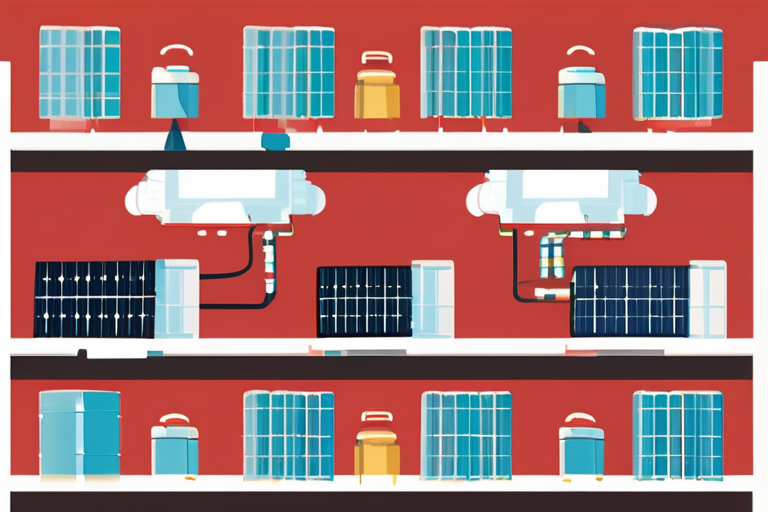
According to Huang, China's infrastructure development is so rapid that it can build a hospital in just a weekend. This staggering speed is a major concern for the CEO, who also worries about China's comparative energy capacity to support the growing demand for artificial intelligence (AI). Huang noted that China has twice as much energy as the United States, despite having a smaller economy. This disparity, he believes, is illogical and poses a significant challenge for the US in the AI boom.
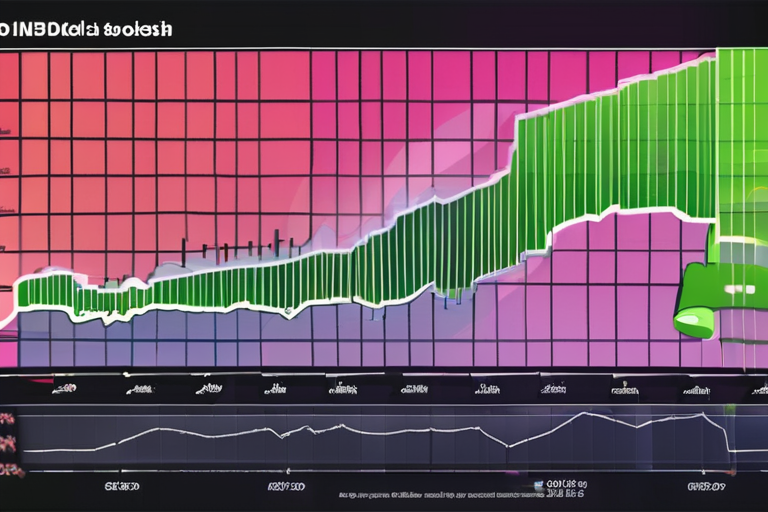
In terms of financial details, the US data center market is projected to reach $73.1 billion by 2025, with the global market expected to reach $187.5 billion by 2027. The AI chip market, a key area where the US retains an edge, is expected to grow from $10.7 billion in 2022 to $34.5 billion by 2027, according to a report by ResearchAndMarkets.com.
The market impact of China's infrastructure and energy capabilities is significant. As the country continues to invest heavily in AI and data centers, it is likely to gain a substantial advantage in the global market. This could lead to a shift in the balance of power, with China potentially becoming a dominant player in the AI industry.
Nvidia, a leading provider of AI chips, has been at the forefront of the AI revolution. Founded in 1993, the company has grown rapidly, with its market capitalization reaching over $1 trillion in 2022. However, the company's CEO, Jensen Huang, has expressed concerns about the US's ability to keep pace with China's infrastructure and energy development.
Looking ahead, the future outlook for the AI industry is uncertain. While the US retains an edge in AI chips, China's rapid infrastructure development and energy capabilities pose a significant challenge. As the industry continues to evolve, it is likely that the US and China will engage in a high-stakes competition for dominance in the AI market.
Nvidia CEO Warns: China's Infrastructure Advantage Leaves US Lagging
1
0

Multi-Source Journalism
This article synthesizes reporting from multiple credible news sources to provide comprehensive, balanced coverage.





















Share & Engage Share
Share this article