

As the world grapples with the complexities of vaccination policies, a significant shift in guidance is set to take place in the United States. The US Advisory Committee on Immunization Practices (ACIP) has voted to roll back the decades-old recommendation that all newborn babies receive a hepatitis B vaccine shortly after birth. This decision has sparked a mix of reactions, with some hailing it as a necessary adjustment and others expressing concern about the potential consequences.
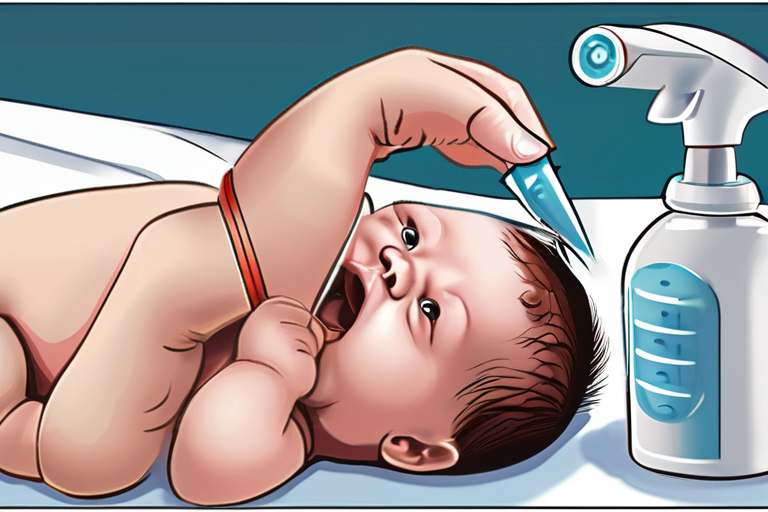
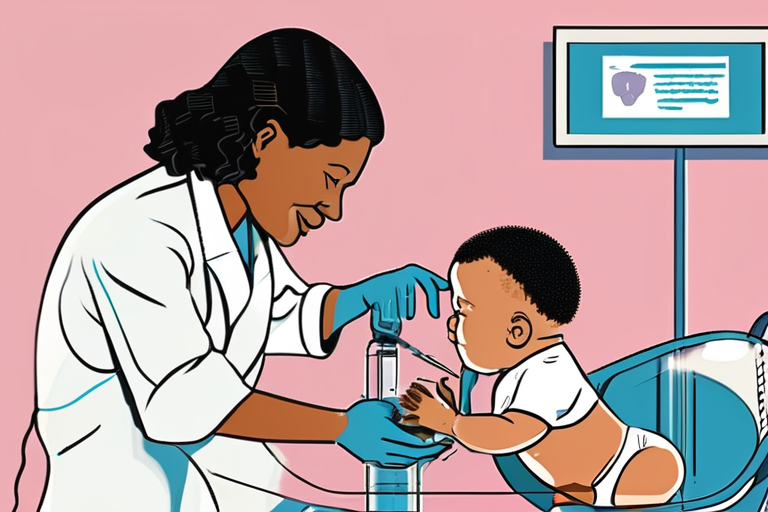
The hepatitis B vaccine has been a cornerstone of infant vaccination programs worldwide, credited with a significant decline in mother-to-child transmission of the hepatitis B virus. The virus, which causes liver disease, can be transmitted from mother to child during birth, particularly if the mother is infected. The vaccine has been instrumental in protecting newborns from this risk.
However, the ACIP's decision to recommend individualized decisions for babies born to mothers who have tested negative for the hepatitis B virus has raised questions about the implications of this change. The new guidance suggests that babies who do not receive a birth dose of the vaccine be vaccinated no earlier than the age of two months. This shift has been met with concerns from some healthcare professionals, who fear that it may lead to a decrease in vaccination rates and an increased risk of hepatitis B transmission.
The decision was made after a lengthy discussion by the ACIP, which involved weighing the benefits and risks of the current vaccination policy. While the vaccine has been shown to be highly effective in preventing hepatitis B transmission, some experts have raised concerns about the potential side effects of administering multiple vaccines at birth. The ACIP's decision to recommend individualized decisions for babies born to mothers who have tested negative for the hepatitis B virus is seen as a compromise between these competing interests.
Dr. Sarah Long, a pediatrician and member of the ACIP, explained the reasoning behind the decision. "We understand that the hepatitis B vaccine is an essential tool in preventing the transmission of this virus, but we also recognize that every baby is different, and their individual needs must be taken into account. By recommending individualized decisions, we hope to strike a balance between protecting newborns from the risk of hepatitis B transmission and minimizing the potential risks associated with administering multiple vaccines at birth."
The implications of this decision extend beyond the medical community, with potential consequences for public health policy and society as a whole. Some experts have raised concerns that the new guidance may lead to a decrease in vaccination rates, particularly among low-income and marginalized communities, where access to healthcare may be limited.
Dr. Peter Hotez, a leading expert on vaccine policy, expressed his concerns about the potential consequences of the ACIP's decision. "While I understand the reasoning behind the decision, I fear that it may lead to a decrease in vaccination rates, particularly among vulnerable populations. This could have serious consequences for public health, as hepatitis B remains a significant threat to the health and well-being of millions of people worldwide."
As the ACIP's decision is reviewed and finalized by the director of the US Centers for Disease Control and Prevention (CDC), the medical community and the public are left to grapple with the implications of this shift in guidance. While the hepatitis B vaccine remains an essential tool in preventing the transmission of this virus, the decision to recommend individualized decisions for babies born to mothers who have tested negative for the hepatitis B virus highlights the complexities and challenges of vaccine policy.
As the world continues to navigate the complexities of vaccination policies, one thing is clear: the hepatitis B vaccine remains a vital tool in protecting newborns from the risk of hepatitis B transmission. However, the ACIP's decision to recommend individualized decisions for babies born to mothers who have tested negative for the hepatitis B virus serves as a reminder that vaccine policy is not a one-size-fits-all solution. By recognizing the unique needs and circumstances of every baby, we can work towards creating a more effective and equitable vaccination policy that protects the health and well-being of all individuals.
US Advisory Committee Votes to Reconsider Hepatitis B Vaccination for Newborns
1
0

Multi-Source Journalism
This article synthesizes reporting from multiple credible news sources to provide comprehensive, balanced coverage.






















Share & Engage Share
Share this article