

Breaking News: Indian Ocean Disaster Unfolds as Climate Tragedy
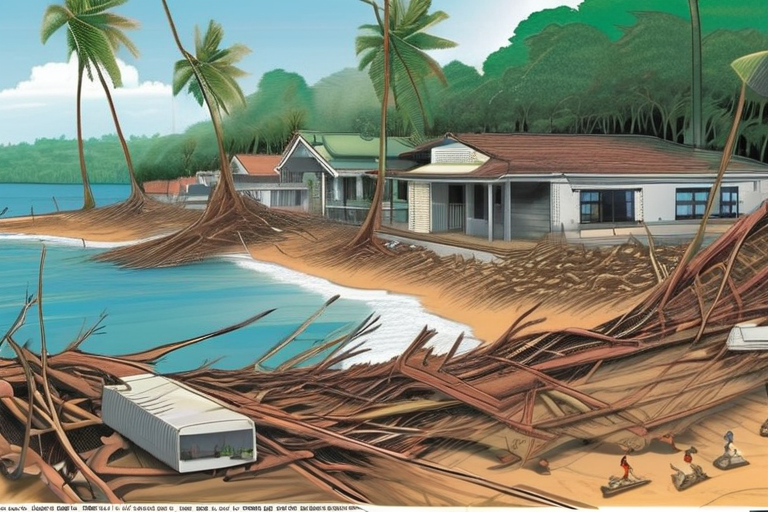
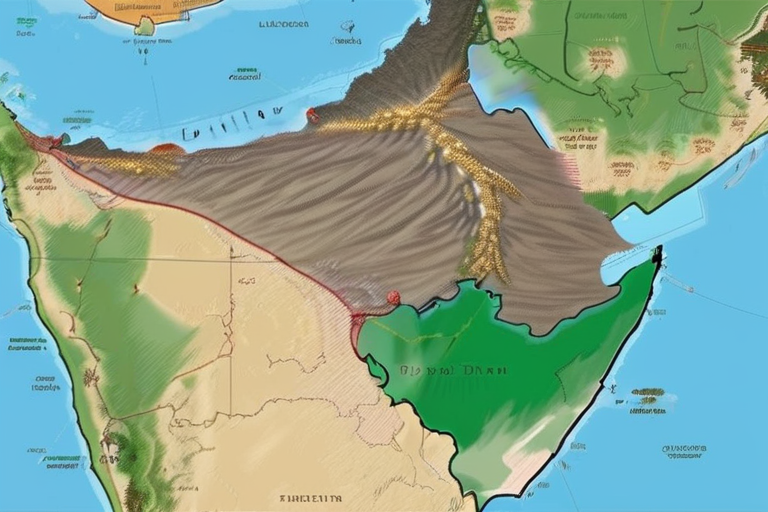
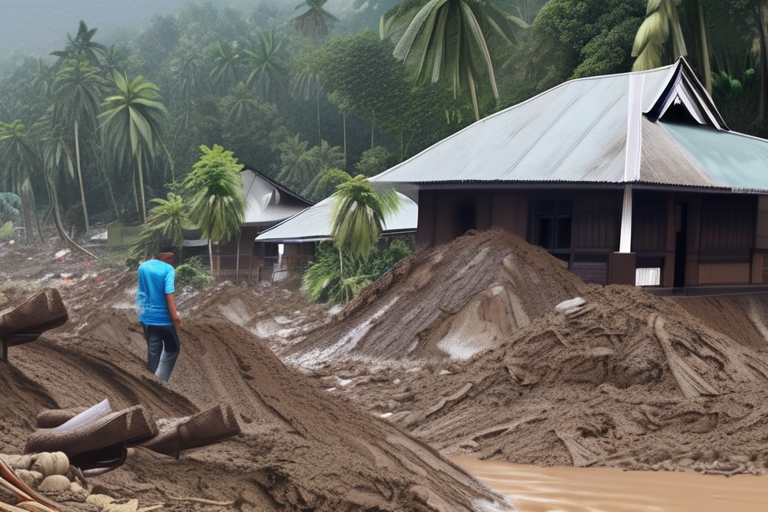
At least 1,000 people have lost their lives in the devastating tropical cyclones that ravaged cities and villages in the Indian Ocean region in late November. The storms, which included Cyclones Senyar, Ditwah, and Koto, brought torrential rains, high winds, landslides, and flash floods to countries such as Indonesia, Malaysia, Vietnam, Thailand, India's Andaman and Nicobar Islands, the Philippines, and Sri Lanka. The destruction is comparable to the 2004 Indian Ocean tsunami, according to Muzakir Manaf, the governor of Aceh, Indonesia.
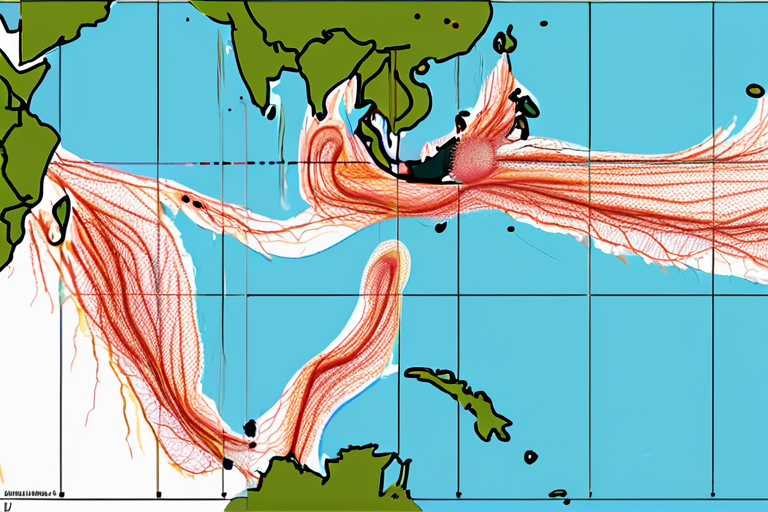
The cyclones made landfall between November 20 and 25, with Cyclone Senyar hitting Indonesia's Sumatra on November 20, followed by Cyclone Ditwah on November 22, and Cyclone Koto on November 24. The storms caused widespread destruction, with millions of people displaced, many left sick or starving, and aid slow to arrive. The international community has been criticized for its lack of response to the disaster.
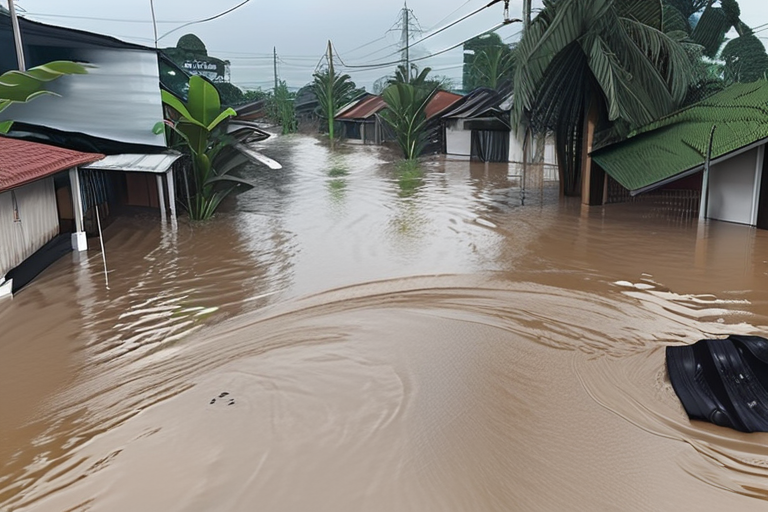
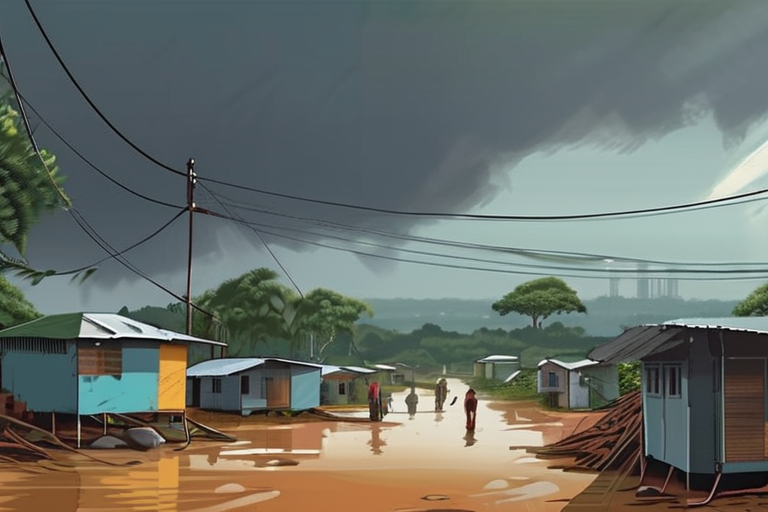
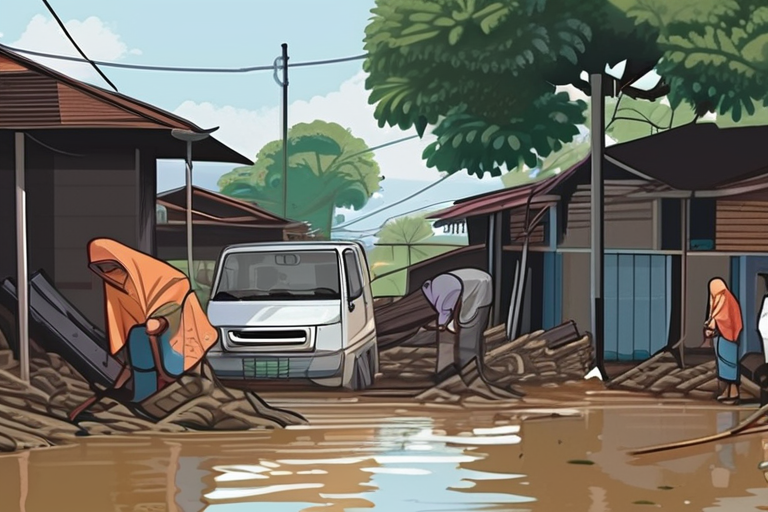
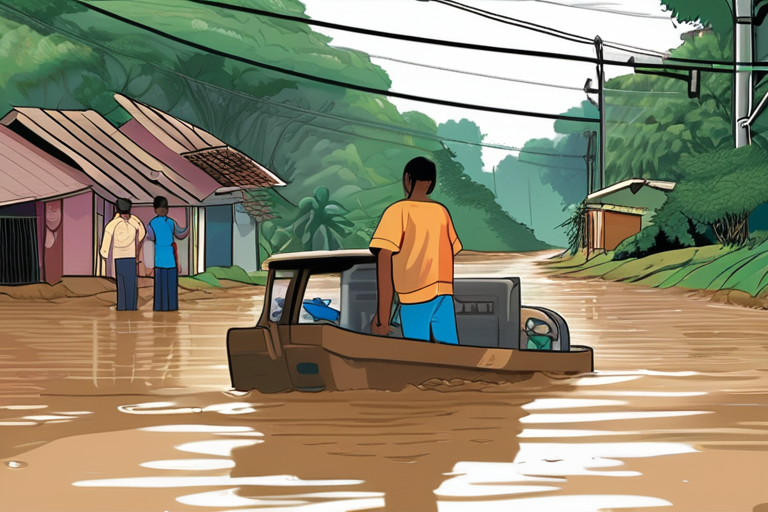
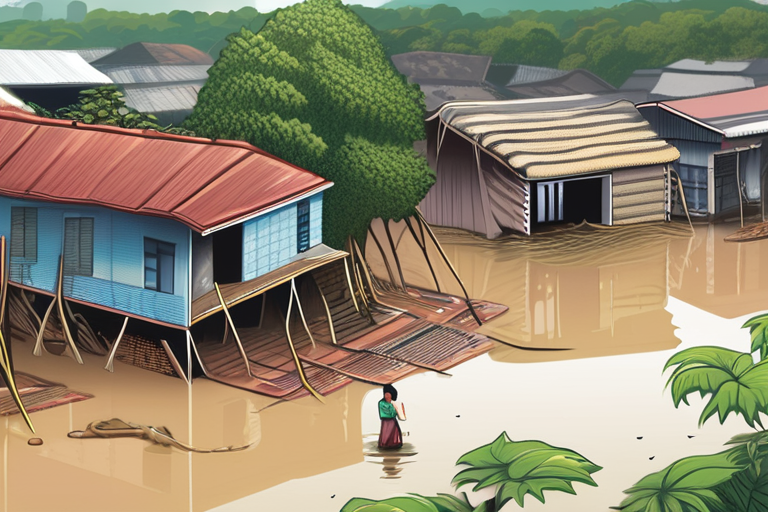
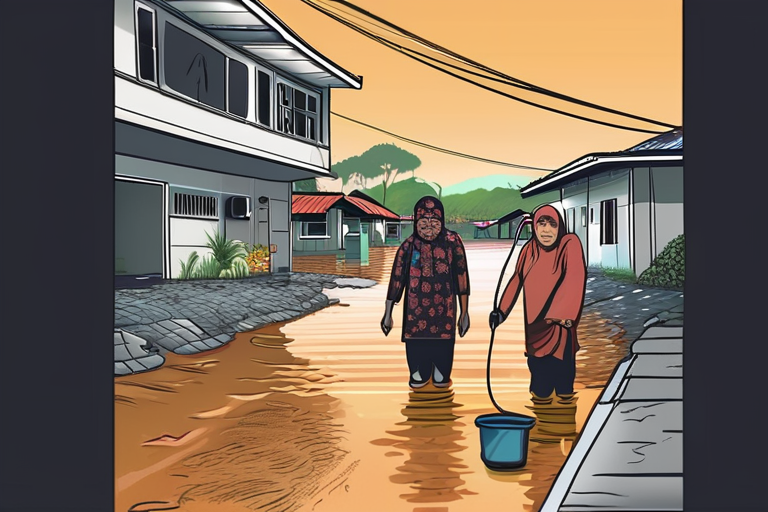
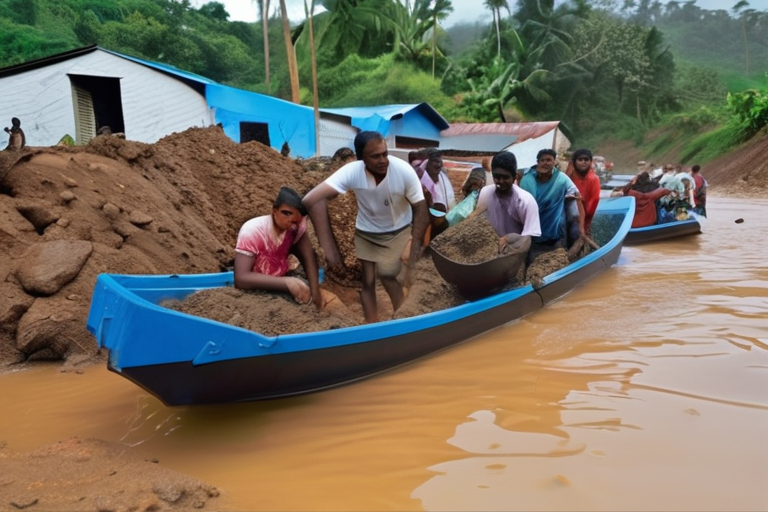
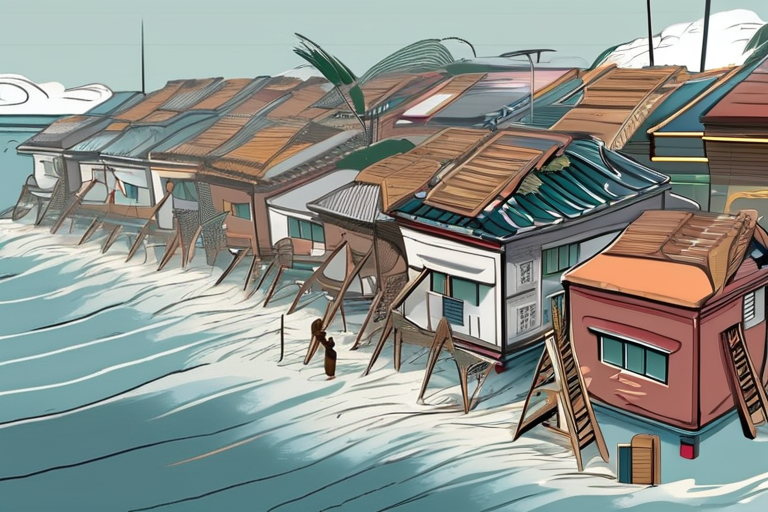
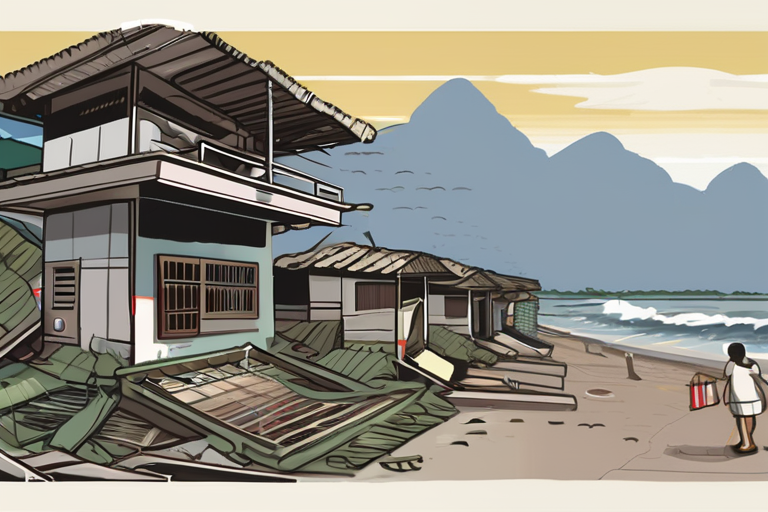
The immediate impact of the cyclones has been catastrophic, with entire neighborhoods submerged underwater and roads and bridges destroyed. Rescue efforts are ongoing, with emergency responders working tirelessly to reach affected areas. The Indonesian government has declared a state of emergency in several provinces, while the Malaysian government has deployed troops to assist with relief efforts.
The Indian Ocean disaster is a stark reminder of the devastating impact of climate change on vulnerable communities. Rising sea levels, more frequent natural disasters, and extreme weather events are becoming increasingly common, putting millions of people at risk. The 2004 Indian Ocean tsunami, which killed over 230,000 people, was a wake-up call for the world, but the response to this disaster has been sluggish.
As the world grapples with the aftermath of the cyclones, it is clear that disaster early-warning systems are not enough to prevent such tragedies. Collective action is needed to address the root causes of climate change and support vulnerable communities. The international community must come together to provide aid, support, and resources to those affected by the disaster.
The Indian Ocean disaster is a climate tragedy that requires immediate attention and action. As the world reflects on the devastating impact of the cyclones, it is essential to recognize the unusual nature of this disaster and what it heralds for the world's future. The consequences of inaction will be dire, and it is crucial that we learn from this disaster to prevent similar tragedies from occurring in the future.
Indian Ocean Cyclones Claim Over 1,000 Lives, Exposing Climate Crisis Vulnerabilities
1
0
Multi-Source Journalism
This article synthesizes reporting from multiple credible news sources to provide comprehensive, balanced coverage.













Share & Engage Share
Share this article