

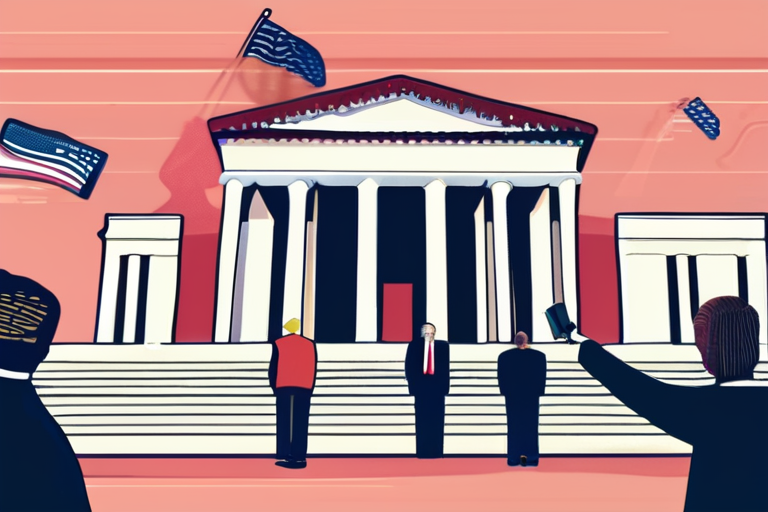
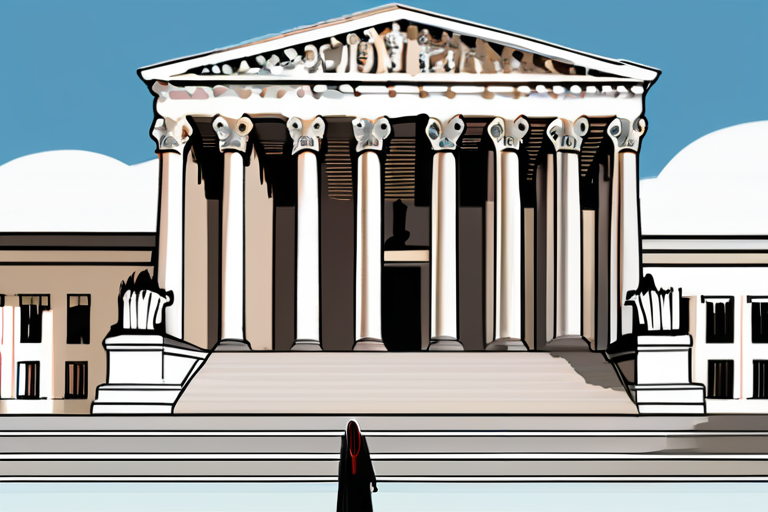
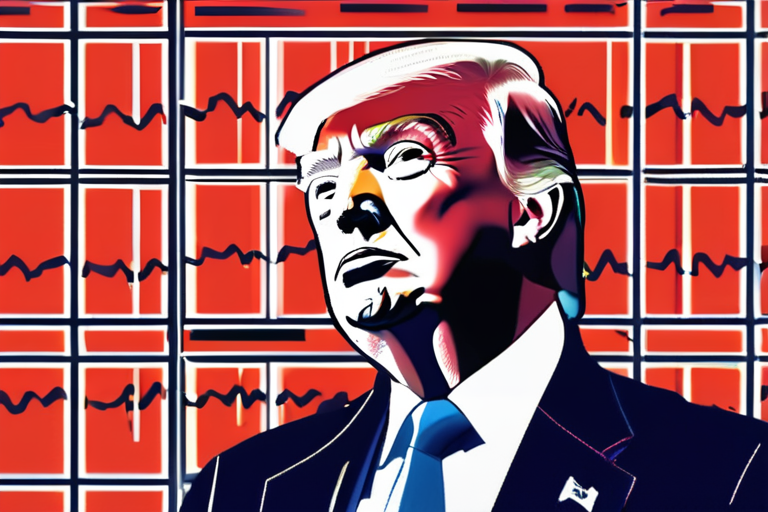
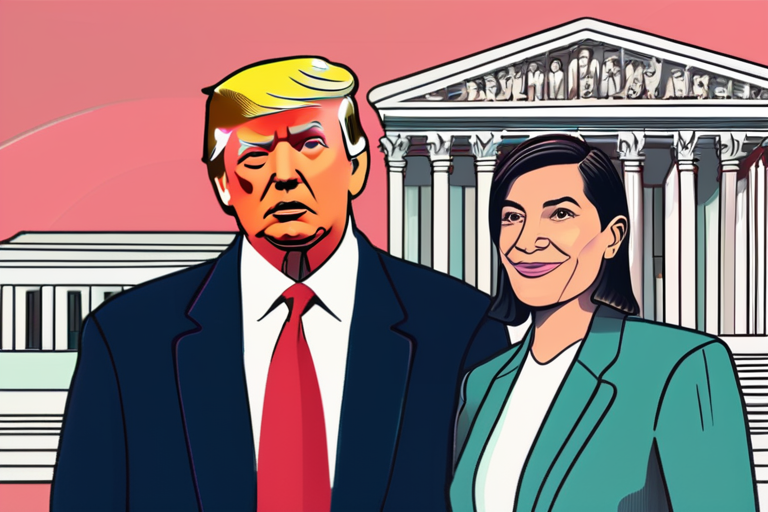
The Supreme Court has agreed to hear a case related to President Donald Trump's executive order attempting to end birthright citizenship, a move that has been deemed unconstitutional by several federal judges.
According to court documents, the justices will review a lower court's decision to block Trump's order, which aimed to restrict the automatic citizenship granted to children born in the United States to non-citizen parents. The move was met with widespread criticism from lawmakers, advocacy groups, and legal experts, who argued that it was a clear overreach of executive power.
Judge John Coughenour, a Reagan-appointed federal judge, was the first to block Trump's order in January, stating that the question presented was "as clear as this one is." Since then, numerous other judges have reached similar conclusions, citing the 14th Amendment to the U.S. Constitution, which guarantees citizenship to anyone born in the United States, regardless of their parents' immigration status.
Olga Urbina, a mother who participated in a protest outside the Supreme Court in May 2025, expressed concerns about the potential impact of Trump's order on her son's future. "I'm worried about what this means for my child's citizenship and his place in this country," she said.
The issue of birthright citizenship has been a contentious one in the United States, with some arguing that it is a vital component of the country's immigration system and others viewing it as a loophole that allows non-citizens to exploit the system.
The Supreme Court's decision to hear the case marks a significant development in the ongoing debate over Trump's executive order. The court is expected to issue a ruling in the coming months, which could have far-reaching implications for the country's immigration policies.
In a statement, the White House defended Trump's order, arguing that it was necessary to address concerns about national security and immigration enforcement. However, legal experts and advocacy groups have countered that the order is unconstitutional and would have a devastating impact on the lives of thousands of children born in the United States to non-citizen parents.
The Supreme Court's review of the case is expected to provide clarity on the issue, but it remains to be seen how the justices will ultimately rule.
Supreme Court to Review Trump's Challenged Birthright Citizenship Policy
1
0
Multi-Source Journalism
This article synthesizes reporting from multiple credible news sources to provide comprehensive, balanced coverage.










Share & Engage Share
Share this article