

A Shift in Vaccination Policy: What the Science Says About Hepatitis B in Newborns
In a move that has left many in the medical community stunned, a top US vaccine advisory panel has voted to roll back a decades-old recommendation that all newborn babies receive a hepatitis B vaccine shortly after birth. The decision, made by the US Advisory Committee on Immunization Practices (ACIP), marks a significant shift in the country's approach to preventing the spread of the hepatitis B virus, which causes liver disease and can be fatal if left untreated.
The change in policy comes after more than a day of discussion, during which members of the ACIP grappled with the complexities of the issue. While the decision has been met with both praise and criticism, one thing is clear: the science behind hepatitis B vaccination is more nuanced than ever before.
For decades, the universal vaccination of newborn babies has been a cornerstone of hepatitis B prevention. The strategy has been incredibly effective, leading to a sharp decline in mother-to-child transmission of the virus. However, as the science has evolved, so too have the recommendations. The ACIP's decision to roll back the universal vaccination policy for babies born to mothers who have tested negative for the virus is a reflection of this shift.
According to Dr. Sarah Long, a pediatrician and member of the ACIP, the decision was not taken lightly. "We've been reviewing the data, and what we've found is that the risk of transmission from mother to child is much lower than we previously thought," she explains. "In fact, the risk is so low that we can safely recommend individualized decision-making for babies born to mothers who have tested negative for the virus."
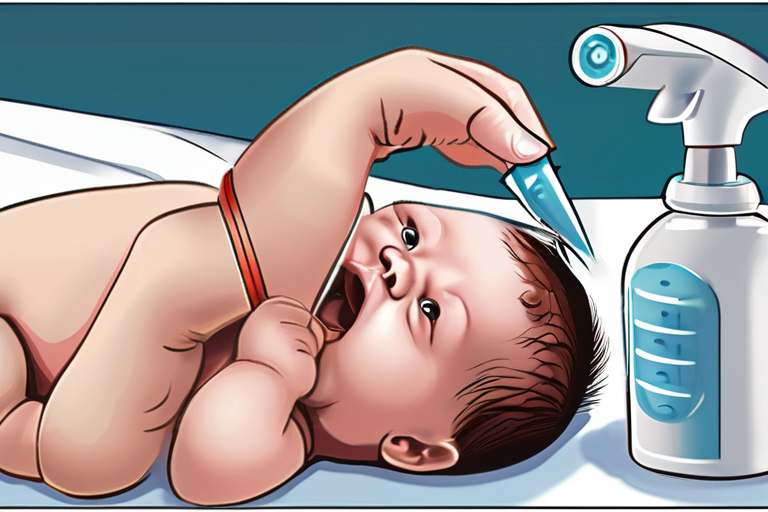
But what does this mean for babies born to mothers who have tested negative for the virus? Under the new policy, these babies will not receive a birth dose of the vaccine, but will instead be vaccinated no earlier than two months of age. This change has sparked concerns among some in the medical community, who worry that it may lead to a resurgence in hepatitis B cases.
Dr. Paul Offit, a pediatrician and vaccine expert, is one such critic. "I think this decision is a mistake," he says. "We've seen time and time again that delaying vaccination can lead to outbreaks of vaccine-preventable diseases. I'm worried that this decision will have serious consequences for public health."
Despite the controversy, the ACIP's decision is not without its supporters. Dr. Long points out that the new policy is not a rejection of vaccination, but rather a recognition of the complexities of the issue. "We're not saying that vaccination is not important," she says. "We're simply saying that we need to be more nuanced in our approach. We need to take into account the individual circumstances of each baby and make decisions based on the best available evidence."
As the debate continues, one thing is clear: the science behind hepatitis B vaccination is more complex than ever before. As the ACIP's decision is reviewed and refined, one thing is certain: the future of hepatitis B prevention will be shaped by the latest research and the most up-to-date data.
In the end, the decision to roll back the universal vaccination policy for babies born to mothers who have tested negative for the virus is a reminder that science is never static. It is a dynamic and evolving field, shaped by new discoveries and new data. As we move forward, it is essential that we continue to listen to the science and make decisions based on the best available evidence. Only then can we truly ensure the health and well-being of our children.
US Vaccine Panel Votes to Revise Hepatitis B Vaccine Schedule for Newborns
1
0

Multi-Source Journalism
This article synthesizes reporting from multiple credible news sources to provide comprehensive, balanced coverage.



















Share & Engage Share
Share this article