

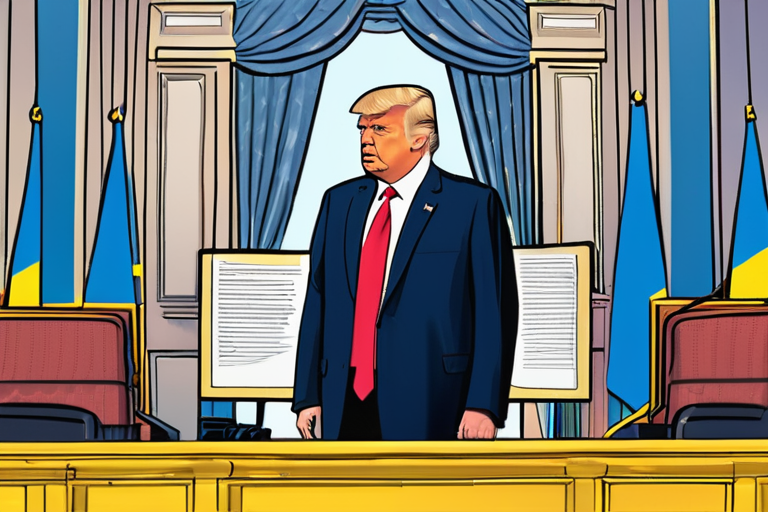
The Trump administration released its long-awaited National Security Strategy on Thursday night, outlining a shift in U.S. foreign policy that prioritizes regional security and economic interests over democracy promotion. According to the document, the United States will no longer engage in efforts to promote democracy and shape the political systems of other countries, except in Western Europe.
The strategy, which marks a significant departure from previous administrations, emphasizes the importance of maintaining strong relationships with key allies in Europe and North America. However, it also signals a more pragmatic approach to international relations, one that focuses on shared economic and security interests rather than ideological or moral objectives.
"This is a recognition that the world is a complex and multifaceted place, and that the United States cannot impose its values and institutions on other countries," said a senior administration official, who spoke on condition of anonymity. "We will continue to promote democracy and human rights, but we will do so in a more nuanced and targeted way, taking into account the unique cultural and historical contexts of each country."
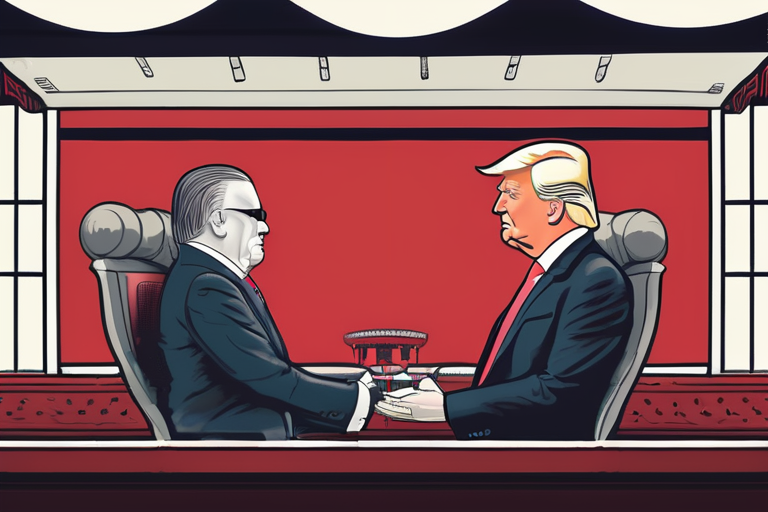
The decision to exempt Western Europe from the new approach has been met with mixed reactions from European leaders. While some have welcomed the shift in U.S. policy, others have expressed concern that it may undermine the transatlantic relationship and create new divisions within the European Union.
"We value our partnership with the United States and appreciate their commitment to democracy and human rights," said a spokesperson for the European Union. "However, we also believe that the promotion of democracy and human rights is a universal value that should be upheld in all regions of the world, not just in Europe."
The Trump administration's new national security strategy has been in the works for several months, and its release has been widely anticipated by policymakers and analysts. The document is seen as a key component of the administration's broader foreign policy agenda, which has been shaped by a range of factors, including the COVID-19 pandemic, rising global competition, and the ongoing conflict in Ukraine.
The shift in U.S. policy is likely to have significant implications for the global balance of power and the future of international relations. As the United States recalibrates its approach to democracy promotion, other countries are likely to follow suit, potentially creating new divisions and challenges for the international community.
In the coming weeks and months, the Trump administration is expected to provide more details on how it plans to implement the new national security strategy, including how it will prioritize democracy promotion in Western Europe and engage with other countries on issues related to human rights and governance.
US Shifts Global Priorities, Ditches Democracy Promotion in New National Security Strategy
2
0

Multi-Source Journalism
This article synthesizes reporting from multiple credible news sources to provide comprehensive, balanced coverage.





















Share & Engage Share
Share this article