

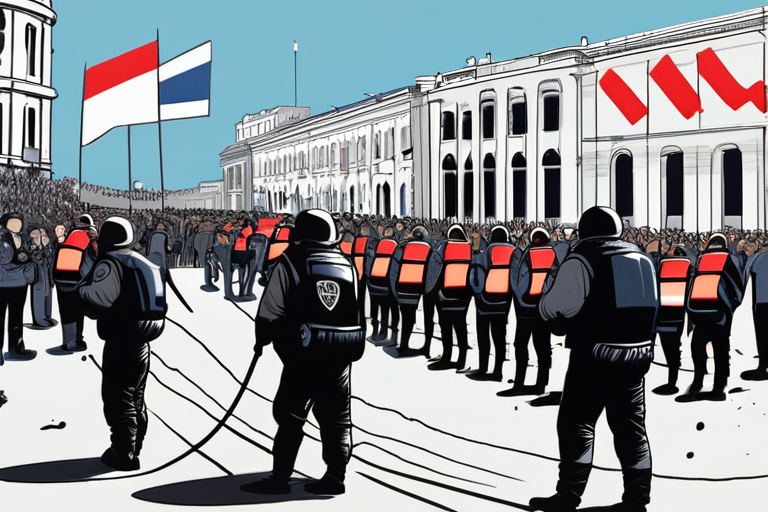
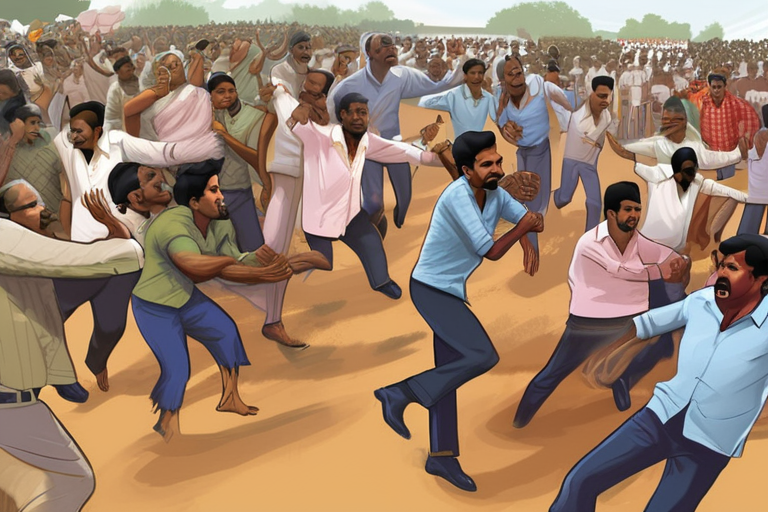
Protesters in Tbilisi, Georgia, marked 365 days of nonstop protests last week, accusing the government of ditching Europe for closer ties with Russia. The demonstrations began in November 2024, with protesters facing down tear gas and water cannons in the capital city. According to eyewitnesses, the protests have continued unabated, with thousands of people taking to the streets to voice their opposition to the government's alleged pivot towards Russia.
The protesters claim that the government's decision to strengthen ties with Russia is a betrayal of the country's aspirations to join the European Union. "We will not accept this betrayal of our people's hopes and dreams," said Nino, a 32-year-old protester, who wished to remain anonymous for fear of retribution. "We want to be part of Europe, not Russia's sphere of influence." Nino's sentiments were echoed by many of the protesters, who see the government's actions as a threat to democracy and the country's sovereignty.
The government, however, has maintained that its decision to strengthen ties with Russia is a pragmatic one, aimed at securing economic benefits and stability for the country. "We are not abandoning our European aspirations, but we are also not naive about the realities of the world," said a government spokesperson, who wished to remain anonymous. "We need to diversify our relationships and ensure the country's economic security." The spokesperson added that the government is committed to finding a peaceful solution to the conflict in the breakaway regions of Abkhazia and South Ossetia, which have been occupied by Russian troops since the early 2000s.
The conflict in the breakaway regions has been a major point of contention between Georgia and Russia, with the latter recognizing the regions as independent states. The Georgian government has maintained that the regions are part of its territory and has called for their reunification under its control. The protesters, however, see the government's efforts to strengthen ties with Russia as a tacit acceptance of the status quo, which they believe is a betrayal of the country's territorial integrity.
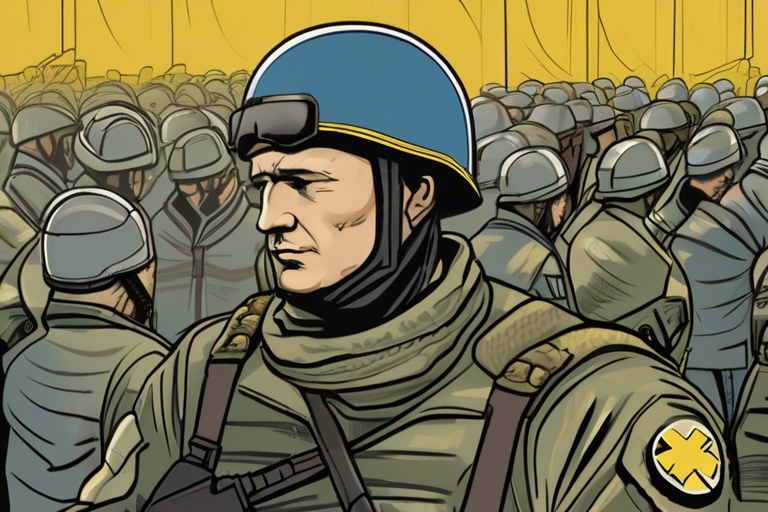
The protests have continued to escalate, with the government deploying riot police to contain the crowds. The situation remains tense, with both sides dug in and unwilling to compromise. As the protests enter their second year, it remains to be seen whether the government will be able to quell the unrest or whether the protesters will be able to force a change in policy.
365 Days of Resistance: Tbilisi Protesters Confront Government's Shift Towards Russia
1
0
Multi-Source Journalism
This article synthesizes reporting from multiple credible news sources to provide comprehensive, balanced coverage.














Share & Engage Share
Share this article