

A Shift in Vaccination Policy: What the Science Says About Hepatitis B in Newborns
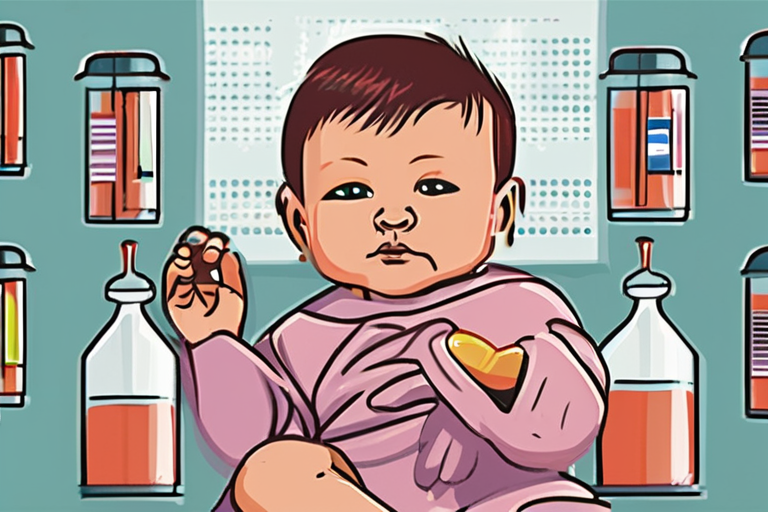
For decades, the universal hepatitis B vaccination of newborn babies has been a cornerstone of public health policy in the United States. The measure has been credited with a significant decline in mother-to-child transmission of the hepatitis B virus, which causes liver disease. However, a recent vote by the US Advisory Committee on Immunization Practices (ACIP) has sparked controversy and raised questions about the future of this policy.
The ACIP, a top vaccine advisory panel, voted to roll back the decades-old recommendation that all newborns receive a hepatitis B vaccine shortly after birth. While the decision is not yet official policy, it has sent shockwaves through the medical community and left many wondering about the implications for public health.
The decision was made after a day of discussion that was at times confusing and contentious. The ACIP voted to recommend that decisions about hepatitis B vaccination be made on an individual basis for babies born to mothers who have tested negative for the virus. This means that babies who do not receive a birth dose of the vaccine will be vaccinated no earlier than two months of age.
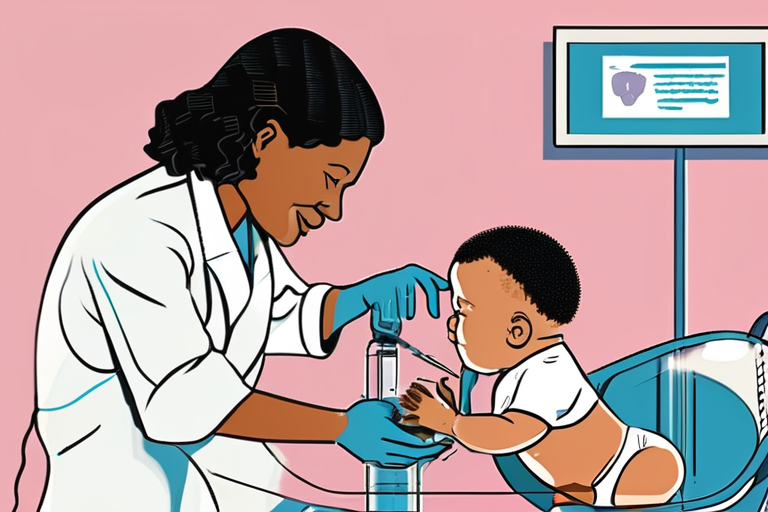
The change in policy is not a rejection of the hepatitis B vaccine itself, but rather a shift in how it is administered. The ACIP has long recommended that babies born to mothers who have tested positive for the virus, or whose mothers infection status is unknown, receive the vaccine at birth. This is because the risk of mother-to-child transmission is highest in these cases.
However, for babies born to mothers who have tested negative for the virus, the ACIP has determined that the risk of transmission is low enough that individual decisions can be made about vaccination. This is a departure from the current policy, which has been in place for decades.
The decision has been met with both praise and criticism from experts in the field. Some have hailed the change as a necessary step towards more personalized medicine, while others have expressed concerns about the potential risks of delayed vaccination.
"We need to be more thoughtful and nuanced in our approach to vaccination," said Dr. Sarah Long, a pediatrician and member of the ACIP. "While the hepatitis B vaccine is an important tool in preventing liver disease, we also need to consider the potential risks and benefits for each individual child."
Others have expressed concerns about the potential impact on public health. "This decision could have far-reaching consequences for public health," said Dr. Paul Offit, a pediatrician and expert on vaccine policy. "If we start to delay vaccination, we risk creating a population that is more vulnerable to disease."
The decision is not yet official policy, and it will need to be approved by the director of the US Centers for Disease Control and Prevention (CDC) before it becomes law. However, the vote has sent a clear signal that the ACIP is willing to reconsider long-held assumptions about vaccination policy.
As the debate continues, one thing is clear: the science is complex, and the implications are far-reaching. The decision to roll back the hepatitis B vaccination policy for newborns is a reminder that public health policy is not always black and white, but rather a nuanced and multifaceted issue that requires careful consideration and debate.
In the end, the decision will depend on a careful weighing of the risks and benefits of vaccination. While the hepatitis B vaccine has been a cornerstone of public health policy for decades, the science is constantly evolving, and the ACIP's decision is a reminder that we must be willing to adapt and evolve in response to new evidence.
As the debate continues, one thing is certain: the future of hepatitis B vaccination policy will be shaped by a complex interplay of science, policy, and public health. The decision to roll back the policy is a reminder that public health policy is not a static entity, but rather a dynamic and ever-changing landscape that requires careful consideration and debate.
Hepatitis B Vaccine Policy Shift: What the Science Reveals About Newborn Protection
1
0

Multi-Source Journalism
This article synthesizes reporting from multiple credible news sources to provide comprehensive, balanced coverage.



















Share & Engage Share
Share this article