

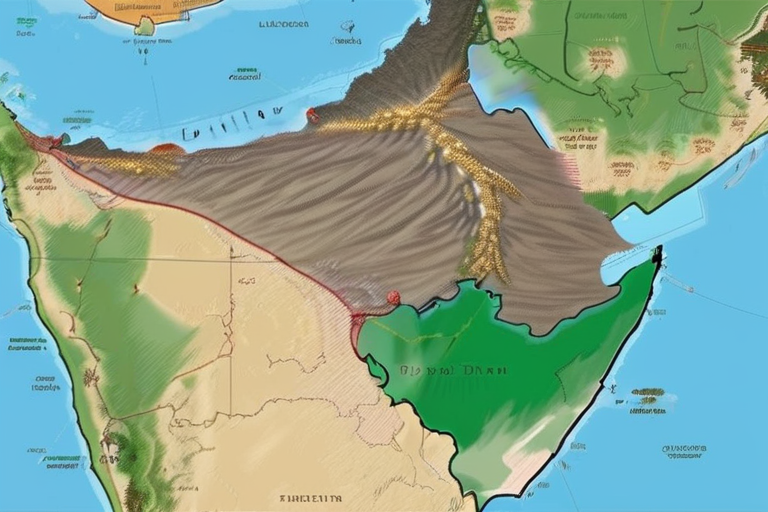
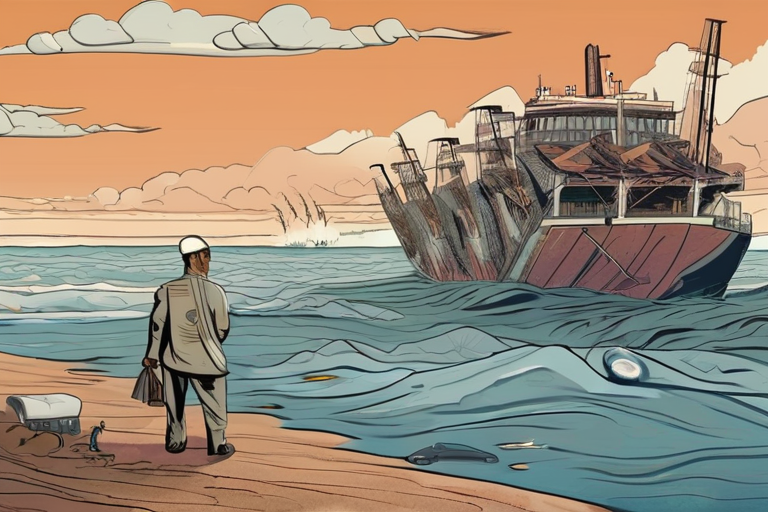
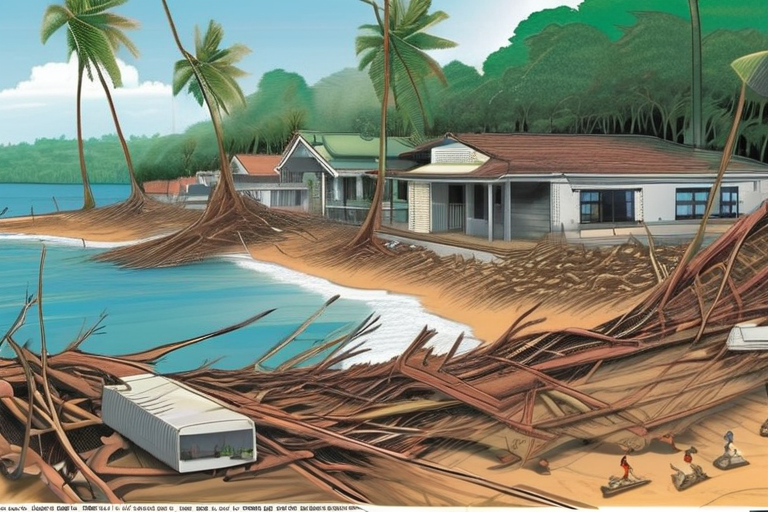
At least 1,000 people have lost their lives in the devastating Indian Ocean disaster, with millions more displaced, sick, or starving. The disaster, triggered by three tropical cyclones - Senyar, Ditwah, and Koto - has left a trail of destruction in countries around the Indian Ocean, including Indonesia, Malaysia, Vietnam, Thailand, India's Andaman and Nicobar Islands, the Philippines, and Sri Lanka.
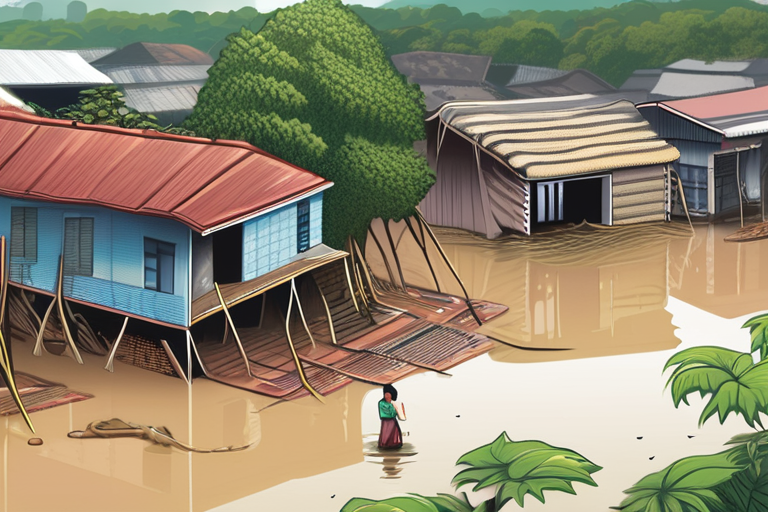
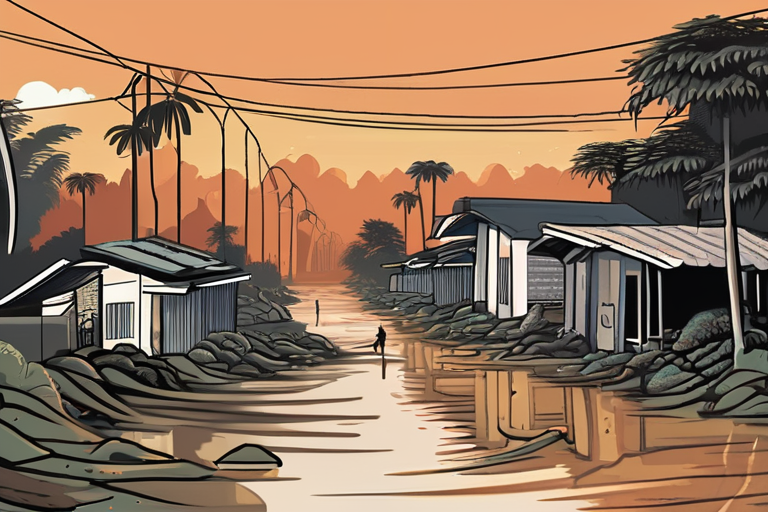
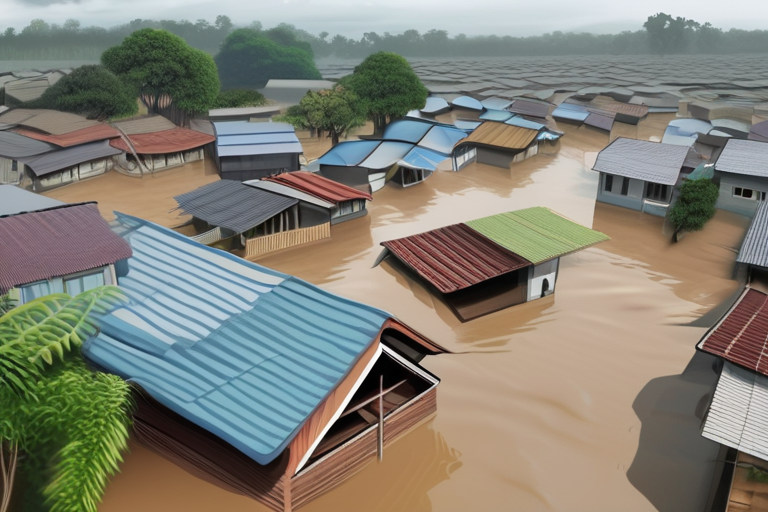
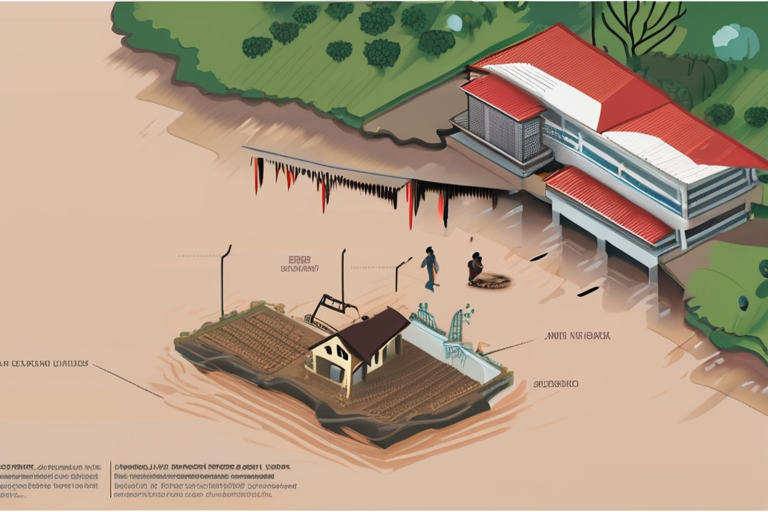
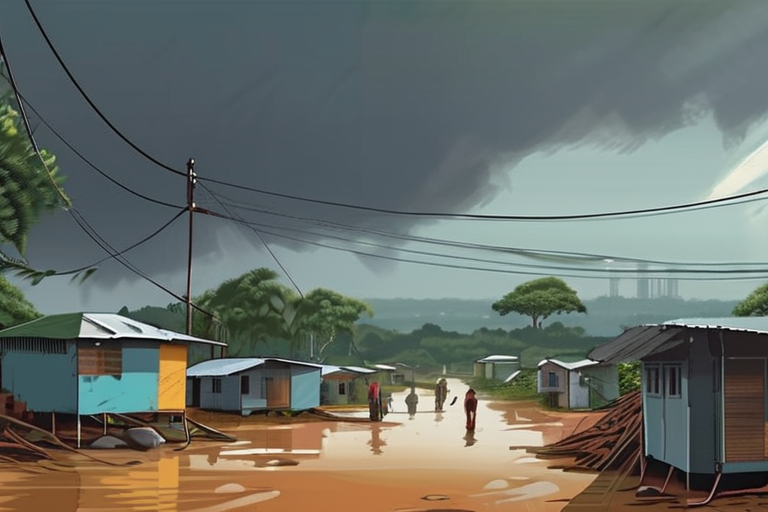
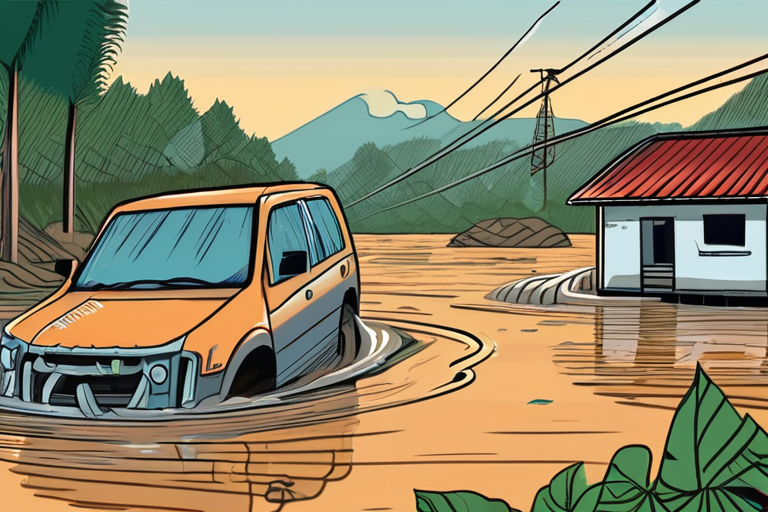
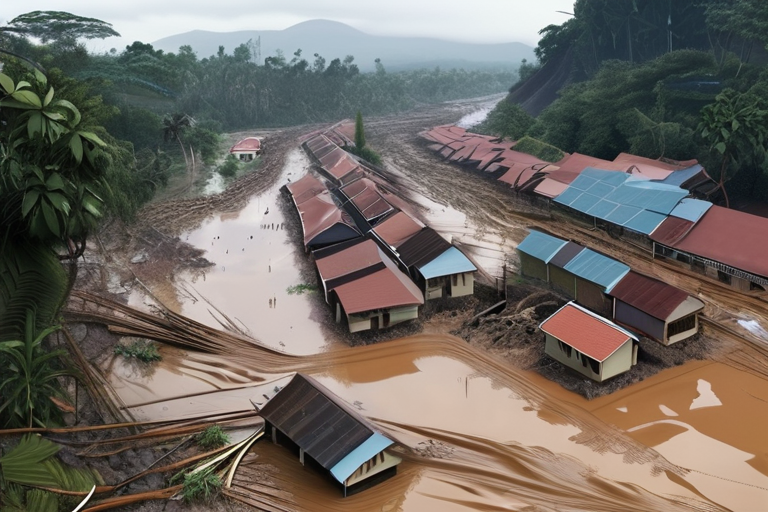
The cyclones, which struck in late November, brought torrential rains, high winds, landslides, and flash floods that buried homes beneath meters of mud and destroyed roads and bridges. According to Muzakir Manaf, the governor of Aceh, Indonesia, the destructive scale of the disaster is close to that of the 2004 Indian Ocean tsunami. However, the world has largely overlooked this emergency, with aid slow to arrive.
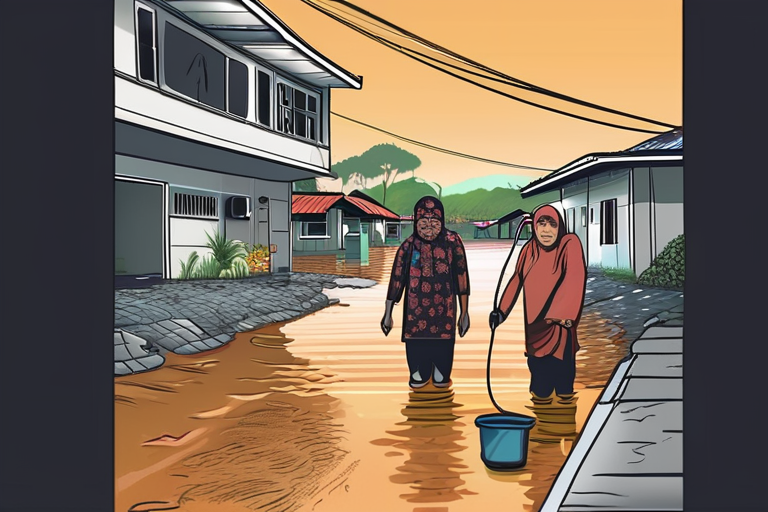
The immediate impact of the disaster is dire, with many communities struggling to access basic necessities like food, water, and shelter. Rescue efforts are underway, but the scale of the disaster has overwhelmed local authorities. The Indonesian government has deployed troops and equipment to affected areas, while international aid is slowly trickling in.
The background to this disaster is a perfect storm of climate change and poor disaster preparedness. Rising global temperatures are leading to more intense and frequent extreme weather events, while inadequate early warning systems have left many communities vulnerable. The 2004 Indian Ocean tsunami, which killed over 230,000 people, highlighted the need for better disaster preparedness and early warning systems. However, despite significant investment in disaster early warning systems, these systems are still plagued by technical issues and inadequate infrastructure.
As the world struggles to respond to this disaster, it is clear that collective action is needed to plug the gaps in disaster preparedness and early warning systems. The Indian Ocean disaster is a wake-up call for governments, international organizations, and communities to work together to prevent similar disasters in the future. The latest developments suggest that the international community is slowly coming together to provide aid and support to affected countries, but much more needs to be done to address the scale and complexity of this disaster.
Indian Ocean Disaster: 1,000 Lives Lost, Millions Displaced Amid Climate Crisis
1
0

Multi-Source Journalism
This article synthesizes reporting from multiple credible news sources to provide comprehensive, balanced coverage.














Share & Engage Share
Share this article