

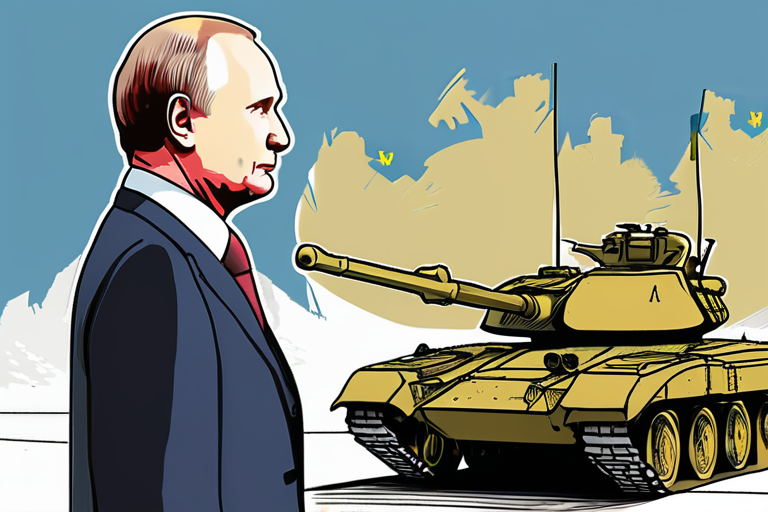
President Vladimir V. Putin claimed that Russian forces had seized the strategic Ukrainian city of Pokrovsk after a monthslong fight, hours before meeting U.S. officials in Moscow this past week about their plan to end the war. However, the reality was murkier, with slivers of the city still contested, according to battlefield maps and the Ukrainian military. This development reflects a trend shaping Putin's unbending approach to negotiations, as Russian forces appear to be gaining the upper hand.
In an interview, Emil Kastehelmi, a military analyst with the Finland-based Black Bird Group, stated that "the Russians do have the upper hand, Ukraine is not yet at the point where it must capitulate, but it is looking weak enough that the Russians think that they can impose demands." Kastehelmi's assessment suggests that Ukraine's military position is precarious, with the country facing significant pressure from Russian forces.
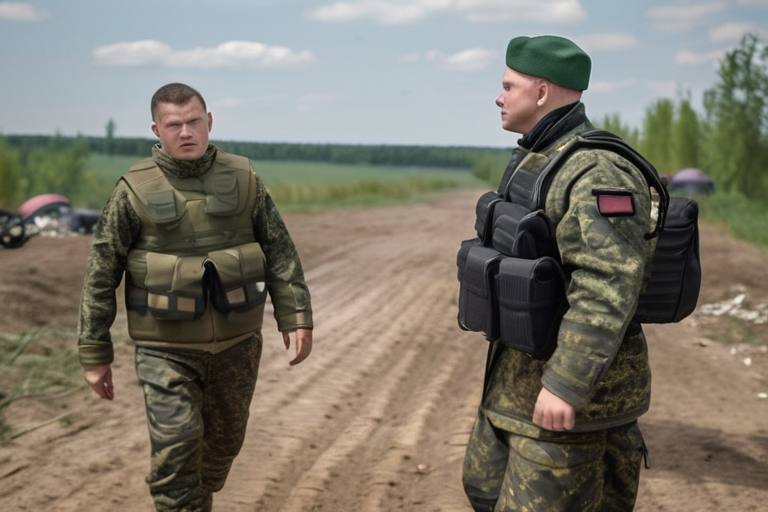
The Ukrainian military has acknowledged that the situation on the ground is complex, with various factions and militias operating in the contested areas. According to sources, the Ukrainian military has been struggling to maintain control over key cities and infrastructure, as Russian forces continue to push forward.
President Putin's decision to order the Russian military to prepare for winter combat has been seen as a sign that he is not budging from his hard-line demands. This move has sparked concerns among Western officials, who fear that Russia's military buildup could lead to further escalation of the conflict.
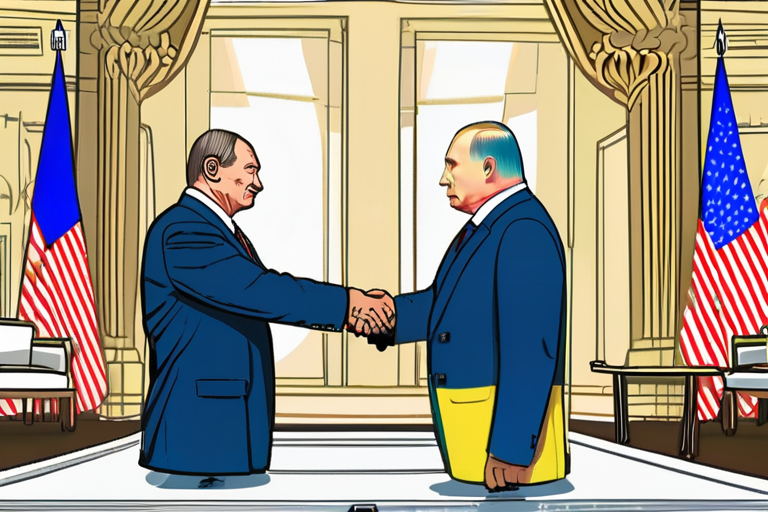
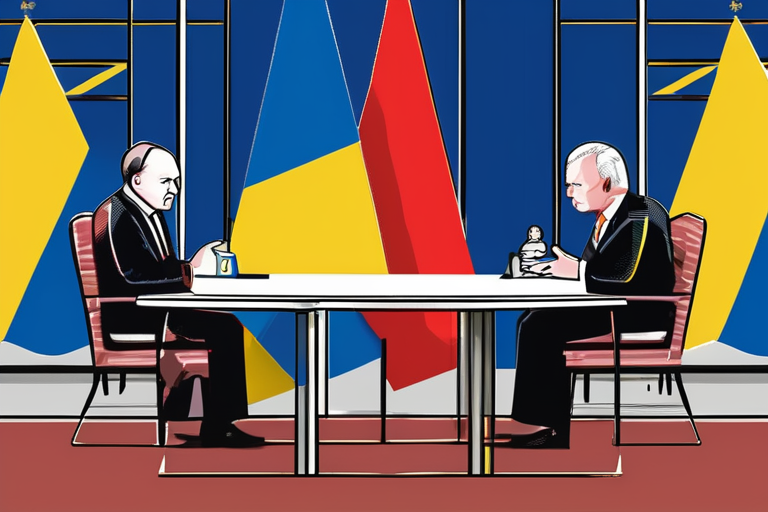
Meanwhile, President Trump's special envoy, Steve Witkoff, has held a series of discussions in Miami with Ukraine's delegation, which both sides have described as constructive. The talks are part of a broader effort to find a peaceful resolution to the conflict, but progress has been slow, and the situation on the ground remains volatile.
The implications of Russia's military gains are significant, not only for Ukraine but also for the broader region. If Russia is able to establish control over key cities and infrastructure, it could have far-reaching consequences for the stability of Eastern Europe and the global balance of power.
As the situation continues to unfold, the international community is watching with growing concern. The United States, European Union, and other key players are engaged in diplomatic efforts to find a peaceful resolution to the conflict, but the road ahead is uncertain, and the outcome remains far from clear.
Putin's Peace Plan: A Strategic City Falls Amid Ukraine's Escalating Conflict
1
0

Multi-Source Journalism
This article synthesizes reporting from multiple credible news sources to provide comprehensive, balanced coverage.








Share & Engage Share
Share this article