

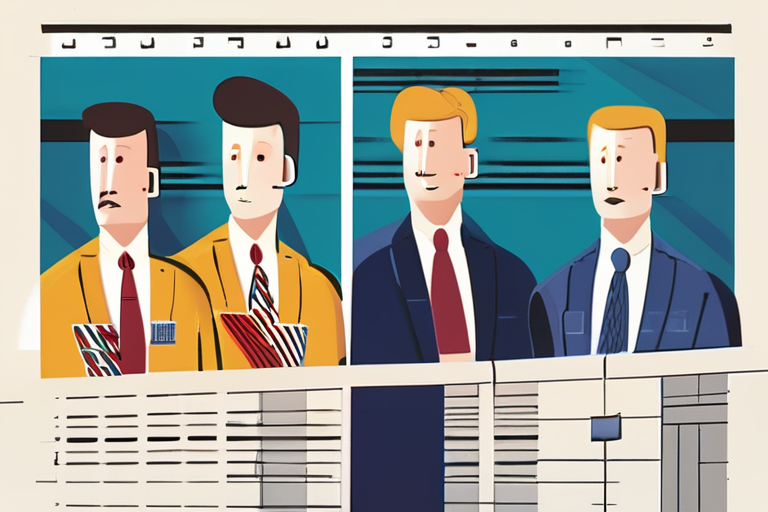
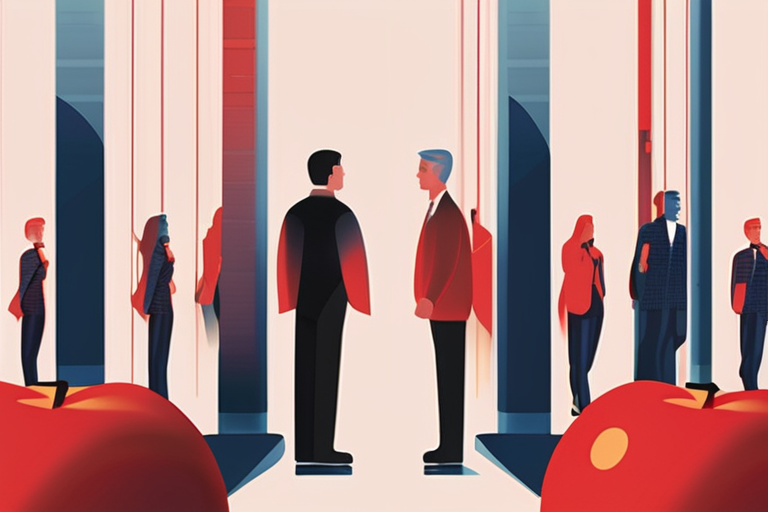
As the world's top CEOs grapple with unprecedented levels of pressure, it's no wonder that the phrase "heavy is the head that wears the crown" has taken on a whole new meaning. For Mark Thompson, chairman of the Chief Executive Alliance and a renowned CEO coach, the stakes have never been higher. "It's a Shakespearean drama playing out in the C-suite," he says, "where the pressure to perform is matched only by the weight of responsibility." But what does it take to survive – let alone thrive – in this treacherous landscape? According to Thompson and his co-author Byron Loflin, the answer lies in an "odd combination" of traits that few leaders possess.
To understand the challenges facing CEOs today, it's essential to appreciate the seismic shifts that have transformed the business landscape. Gone are the days of predictable markets and stable industries. In their place, we have a world of accelerating change, where technological disruption, global competition, and shifting consumer expectations have created a perfect storm of uncertainty. "The game has changed," says Loflin, Nasdaq's Global Head of Board Advisory. "CEOs need to be able to navigate this new reality, where the rules are constantly evolving."
But what got you here won't get you there, as the saying goes. Thompson, who has spent years studying the art of leadership, believes that the skills that made someone a high-performing executive in a specific "swim lane" are no longer sufficient for the demands of the C-suite. "You need to be able to think on your feet, to adapt to new information, and to make decisions with incomplete data," he explains. "It's not just about being a great operator; it's about being a great leader."
So, what are the key traits that separate the leaders from the laggards? According to Thompson and Loflin, it's a combination of humility, curiosity, and resilience. "CEOs need to be willing to listen, to learn, and to adapt," says Loflin. "They need to be able to navigate the complexities of the organization, to build trust with their teams, and to inspire a sense of purpose and direction." It's a tall order, but one that is essential for success in today's fast-paced business environment.
One of the most significant challenges facing CEOs is the need to balance short-term pressures with long-term strategy. "The pressure to deliver quarterly results can be overwhelming," says Thompson. "But CEOs need to be able to take a step back, to look at the bigger picture, and to make decisions that will drive growth and sustainability over the long term." It's a delicate balancing act, but one that is critical for building a strong and resilient organization.
As the business landscape continues to evolve, one thing is clear: the role of the CEO has never been more complex or challenging. But with the right combination of traits – humility, curiosity, and resilience – it's possible to thrive in this new reality. As Thompson and Loflin argue, the key to success lies not in trying to be a superhero CEO, but in being a leader who can inspire, motivate, and empower their teams to achieve greatness. It's a message that resonates with CEOs around the world, who are increasingly recognizing the importance of leadership development and the need for a more nuanced and adaptive approach to management.
In the end, the pressure cooker of the C-suite is a crucible that can either break or make a leader. For those who are willing to take the risk, the rewards are well worth it. As Thompson puts it, "The head that wears the crown may be heavy, but it's also a badge of honor – a symbol of the trust and responsibility that comes with leading an organization." It's a challenge that few are willing to take on, but for those who do, the potential for growth, learning, and success is limitless.
Fortune 500 CEOs Face Unprecedented Pressure: What It Takes to Survive
1
0
Multi-Source Journalism
This article synthesizes reporting from multiple credible news sources to provide comprehensive, balanced coverage.






















Share & Engage Share
Share this article