

Breaking News: Groundbreaking Space Images Reveal New Planets Forming
A team of astronomers at the Max Planck Institute for Astronomy has unveiled a stunning collection of space images captured by the SPHERE instrument, offering a rare glimpse into the formation of new planets. The detailed images of dusty rings around young stars reveal the hidden machinery of planet formation, providing a unique opportunity to study the evolution of solar systems.
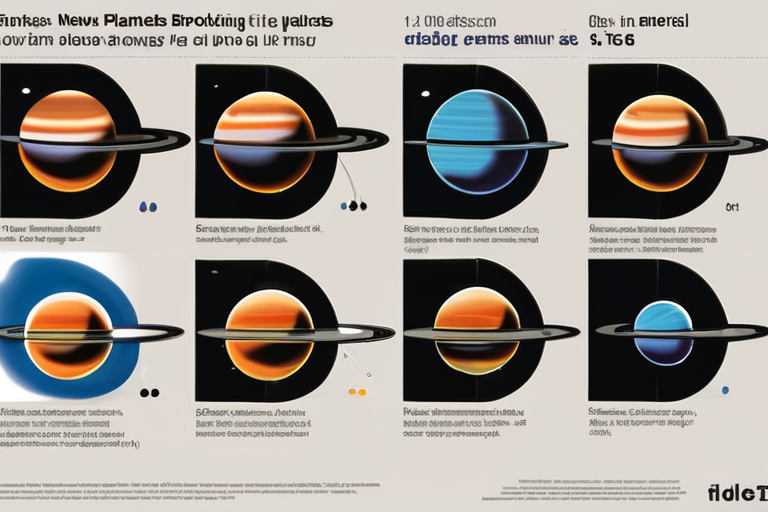
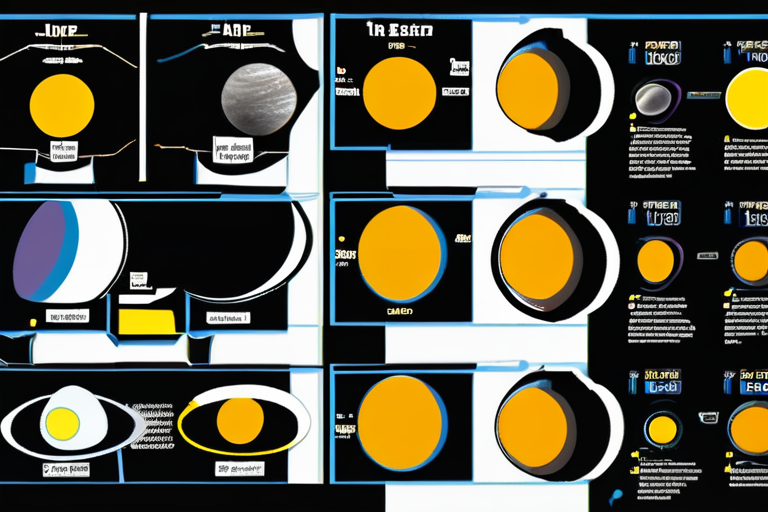
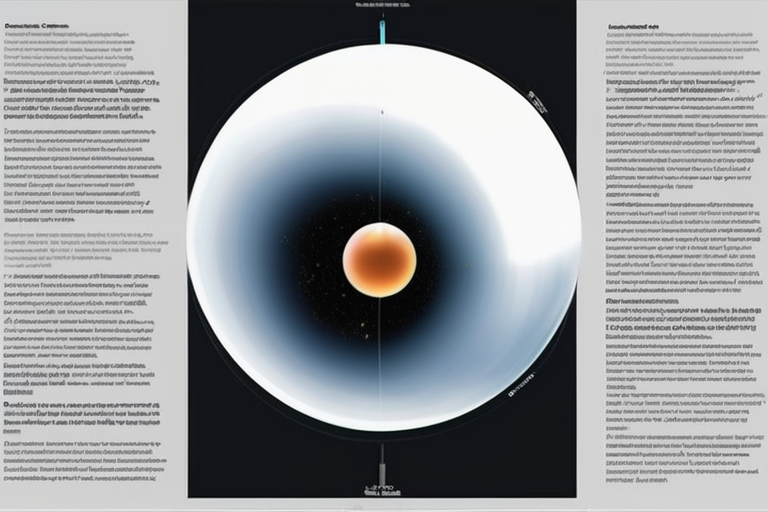
The images, released on December 6, 2025, showcase a grid of color-enhanced astronomical observations, each depicting a circumstellar disc structure of dust and gas surrounding stars. The data, collected over several years, includes 20 different star systems, identified by catalogue names such as HD 105, HD 377, or TWA 25. The observations reveal sharp edges or unusual patterns in some disks, hinting at massive planets still waiting to be seen, while others resemble early versions of our own asteroid belt or Kuiper belt.
The immediate impact of these findings is significant, as they provide a crucial window into the early stages of planet formation. The data will help scientists better understand the processes that shape the architecture of solar systems, ultimately shedding light on the conditions necessary for life to emerge. The research team is already working to analyze the data in greater detail, with plans to publish their findings in a forthcoming scientific paper.
The SPHERE instrument, a state-of-the-art imaging system, has been instrumental in capturing these remarkable images. Developed by a consortium of European research institutions, SPHERE uses advanced adaptive optics and coronagraphy techniques to suppress the light from the central star, allowing the faint signals from the surrounding disk to be detected.
This breakthrough is the culmination of years of research and technological advancements in the field of exoplanetary science. The study of young stars and their surrounding disks has long been a topic of interest, with scientists seeking to understand the complex processes that govern the formation of planets. The release of these images marks a significant milestone in this ongoing research, offering a unique opportunity for scientists to study the early stages of planet formation in unprecedented detail.
As the research community continues to analyze the data, we can expect to see further developments in the coming months. The Max Planck Institute for Astronomy has announced plans to release additional images and data in the near future, providing a more comprehensive view of the early stages of planet formation. With this new information, scientists will be able to refine their understanding of the conditions necessary for life to emerge, ultimately shedding light on the mysteries of the universe.
Astronomers Unveil Groundbreaking Images of New Planets in Formation
1
0
Multi-Source Journalism
This article synthesizes reporting from multiple credible news sources to provide comprehensive, balanced coverage.

























Share & Engage Share
Share this article