

A Shift in Vaccination Policy: What the Science Says About Hepatitis B in Newborns
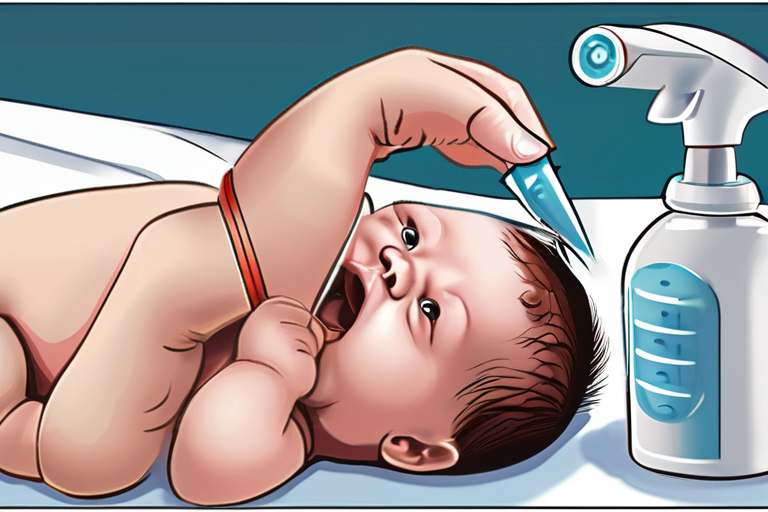
In a move that has left many in the medical community stunned, a top US vaccine advisory panel has voted to roll back a decades-old recommendation that all newborn babies receive a hepatitis B vaccine shortly after birth. This decision, which still recommends vaccination for babies born to mothers who have tested positive for the virus or whose mothers' infection status is unknown, has sparked a heated debate about the implications of this change.
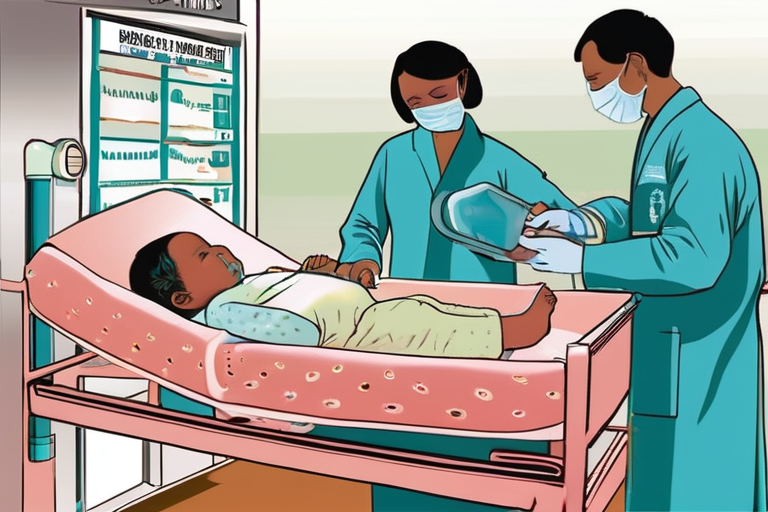
For decades, the universal hepatitis B vaccination of newborn babies has been a cornerstone of preventive medicine, credited with a sharp decline in mother-to-child transmission of the hepatitis B virus, which causes liver disease. The vaccine has been administered to millions of babies, protecting them from a potentially life-threatening infection. However, the US Advisory Committee on Immunization Practices (ACIP) has now voted to recommend that decisions about hepatitis B vaccination be made on an individual basis for babies born to mothers who have tested negative for the virus.
The vote came after more than a day of discussion that was at times confusing and contentious. While some committee members argued that the change was necessary to reduce unnecessary vaccinations, others expressed concerns that it could lead to increased transmission of the virus. The decision must now be approved by the director of the US Centers for Disease Control and Prevention (CDC) before it becomes official policy.
The science behind the hepatitis B vaccine is clear: it is highly effective in preventing the transmission of the virus from mother to child. In fact, studies have shown that the vaccine can reduce the risk of transmission by up to 90%. However, the ACIP's decision to roll back the universal vaccination recommendation has raised questions about the potential risks and benefits of this change.
Dr. Paul Offit, a pediatrician and vaccine expert at the Children's Hospital of Philadelphia, expressed concerns about the decision. "The hepatitis B vaccine is one of the most effective vaccines we have, and it's been shown to be safe and effective in preventing the transmission of the virus," he said. "I'm not sure why we're rolling back this recommendation, especially when we have a vaccine that's been proven to work."
Others, however, argue that the decision is necessary to reduce unnecessary vaccinations. "We need to be more thoughtful about when we're vaccinating babies," said Dr. Robert Jacobson, a pediatrician at the University of Rochester. "We don't want to be vaccinating babies unnecessarily, especially when we have limited resources."
The implications of this decision go beyond the medical community. It has sparked a wider debate about the role of government in public health policy and the balance between individual rights and collective well-being. As the ACIP's decision is reviewed and debated, it is clear that the science is only part of the story. The real question is what this change means for the health and well-being of newborn babies and their families.
In the end, the decision to roll back the universal hepatitis B vaccination recommendation will have far-reaching consequences. While it may reduce unnecessary vaccinations, it also risks increasing the transmission of a potentially life-threatening infection. As the medical community continues to debate this decision, one thing is clear: the science is complex, and the implications are profound.
The ACIP's decision is a reminder that public health policy is never simple, and that the science is only one part of the equation. As we move forward, it is essential that we prioritize the health and well-being of newborn babies and their families, while also being mindful of the potential risks and benefits of any policy change. The future of public health policy will depend on our ability to balance individual rights with collective well-being, and to make informed decisions based on the best available science.
US Vaccine Panel Votes to Reconsider Hepatitis B Vaccine for Newborns
1
0
Multi-Source Journalism
This article synthesizes reporting from multiple credible news sources to provide comprehensive, balanced coverage.




















Share & Engage Share
Share this article