

Breaking News: Indian Ocean Disaster Sparks Climate Concerns
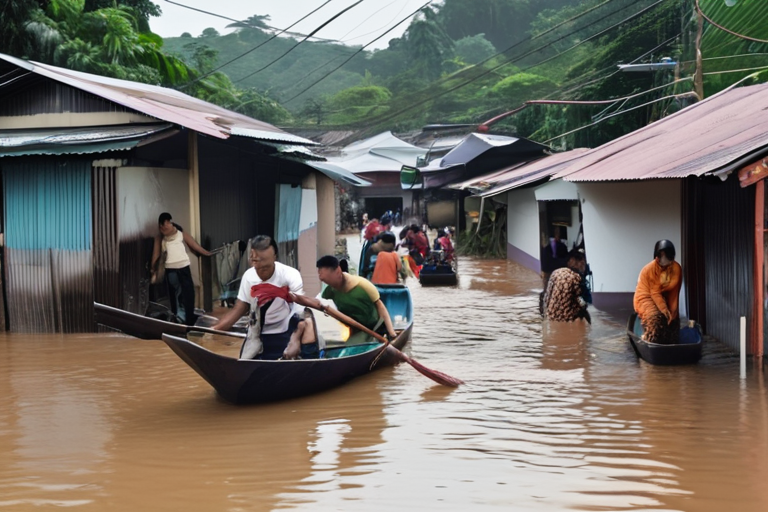
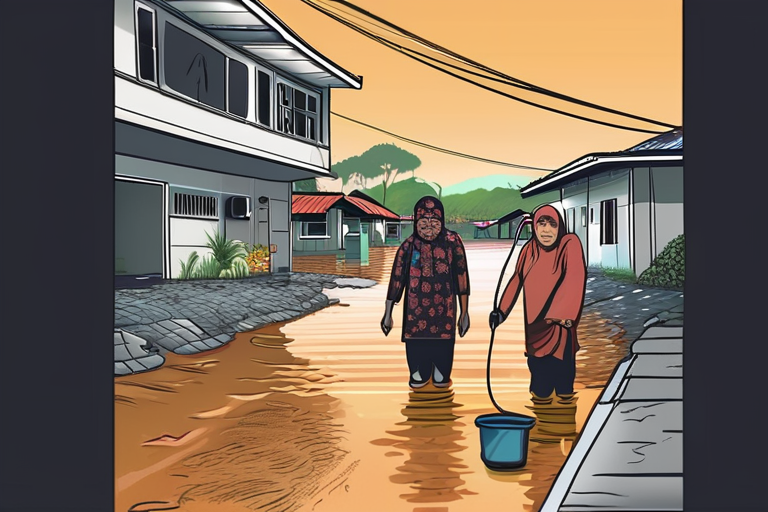
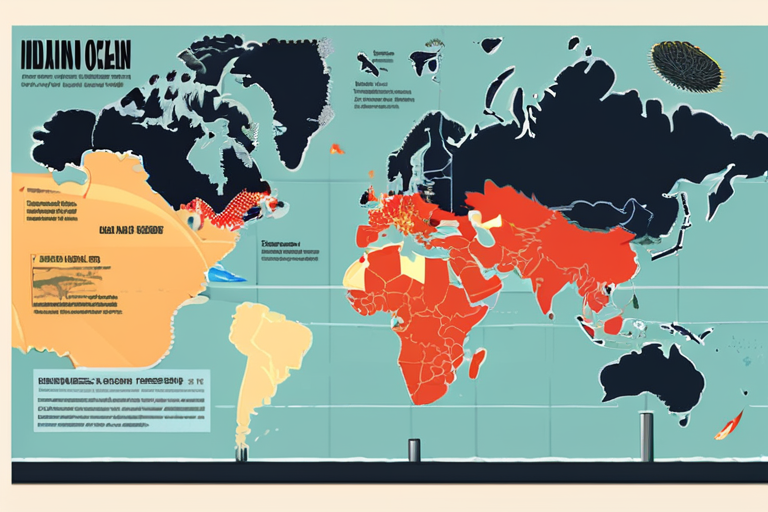
At least 1,000 people have lost their lives in the devastating tropical cyclones that swept across the Indian Ocean in late November. The storms, which included Senyar, Ditwah, and Koto, brought torrential rains, high winds, landslides, and flash floods to countries such as Indonesia, Malaysia, Vietnam, Thailand, India's Andaman and Nicobar Islands, the Philippines, and Sri Lanka.
The cyclones, which occurred between November 20 and 25, left millions displaced, with many struggling to access basic necessities like food and healthcare. Aid has been slow to arrive, and the international community has been criticized for its response to the disaster. The World Meteorological Organization (WMO) has confirmed that the rainfall was among the heaviest ever recorded in the region, with some areas receiving over 1,000 mm of rain in just 24 hours.
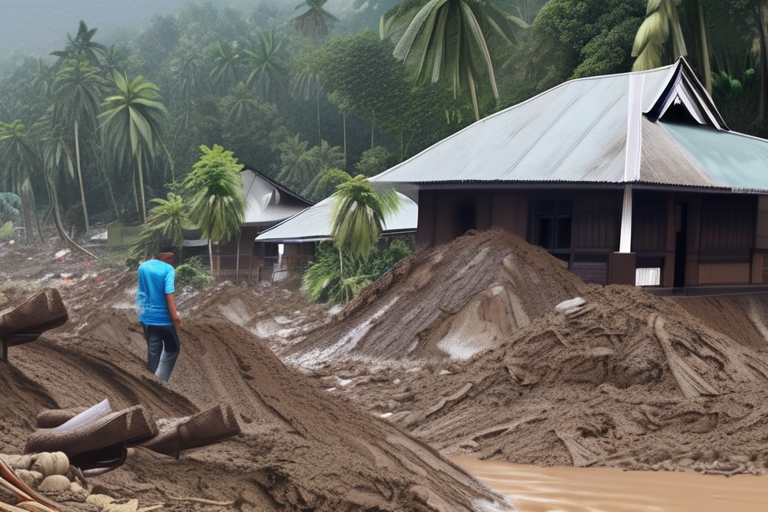
Residents in affected areas have described the scenes as "apocalyptic," with homes buried beneath meters of mud and roads and bridges destroyed. The governor of Aceh, Indonesia, Muzakir Manaf, has compared the scale of the disaster to the 2004 Indian Ocean tsunami. However, the world has largely overlooked this emergency, with many experts warning that the cyclones are a harbinger of the devastating impacts of climate change.
The disaster highlights the need for improved disaster early-warning systems, which are often hampered by inadequate infrastructure and lack of resources. Experts say that collective action is needed to plug the gaps in these systems and prevent similar disasters in the future. The WMO has called for increased investment in climate-resilient infrastructure and early warning systems to mitigate the impacts of climate change.
As the international community responds to the disaster, experts are warning that the Indian Ocean cyclones are a wake-up call for the world to take action on climate change. The disaster has sparked a renewed focus on the need for climate-resilient infrastructure, early warning systems, and disaster preparedness. The United Nations has pledged support for affected countries, and the international community is coming together to provide aid and assistance.
The Indian Ocean disaster is a stark reminder of the devastating impacts of climate change and the need for collective action to prevent similar disasters in the future. As the world responds to this emergency, it is clear that the consequences of inaction will be catastrophic.
Indian Ocean Cyclones Claim Over 1,000 Lives, Exposing Climate Vulnerabilities
1
0

Multi-Source Journalism
This article synthesizes reporting from multiple credible news sources to provide comprehensive, balanced coverage.





















Share & Engage Share
Share this article