

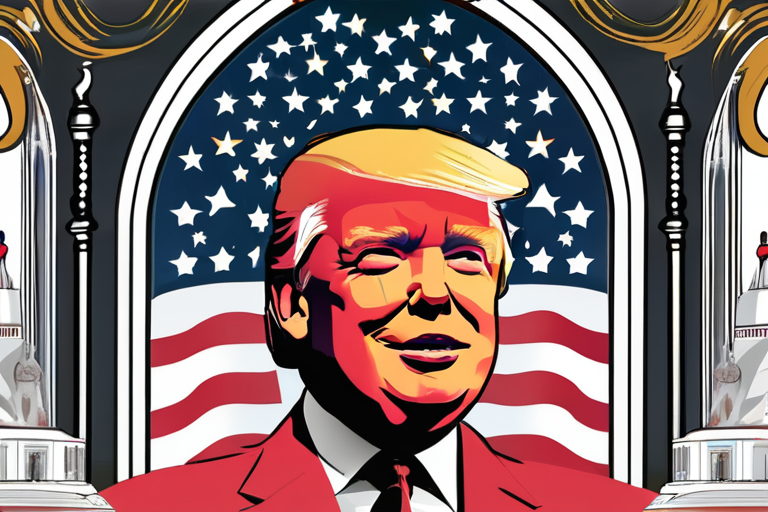
Two political scientists have proposed the concept of "neoroyalism" as a framework to understand the foreign policy of the Trump administration, suggesting that it often behaves more like a royal family in medieval Europe than a modern nation-state. According to the proposal, the administration's tendency to mix private enterprise and diplomacy, as well as its reliance on family members and old business partners in negotiations, are key characteristics of neoroyalism.
The idea of neoroyalism was first introduced by two political scientists, who argue that the Trump administration's approach to foreign policy is more akin to the medieval European system of royal families, where power was concentrated in the hands of a single family or dynasty. In this system, diplomacy and trade were often handled by family members or close associates, rather than through formal government channels.
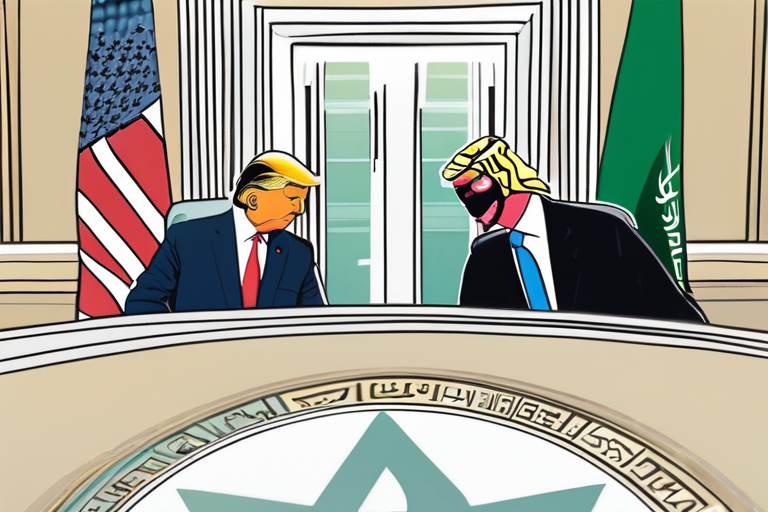
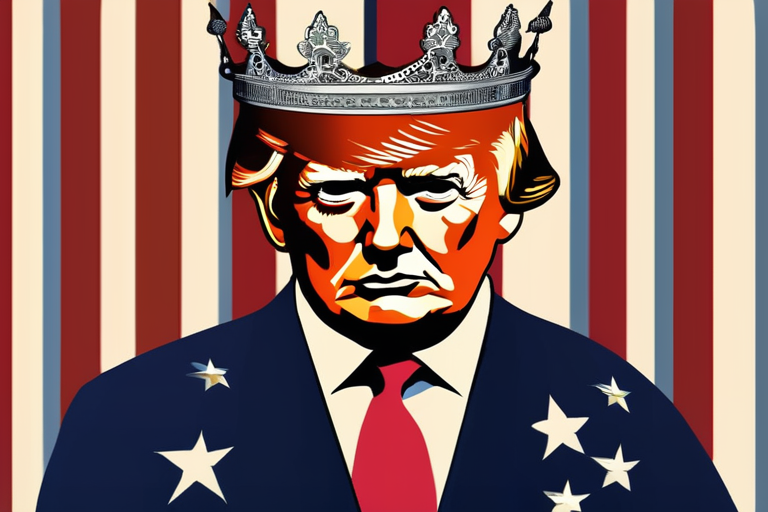
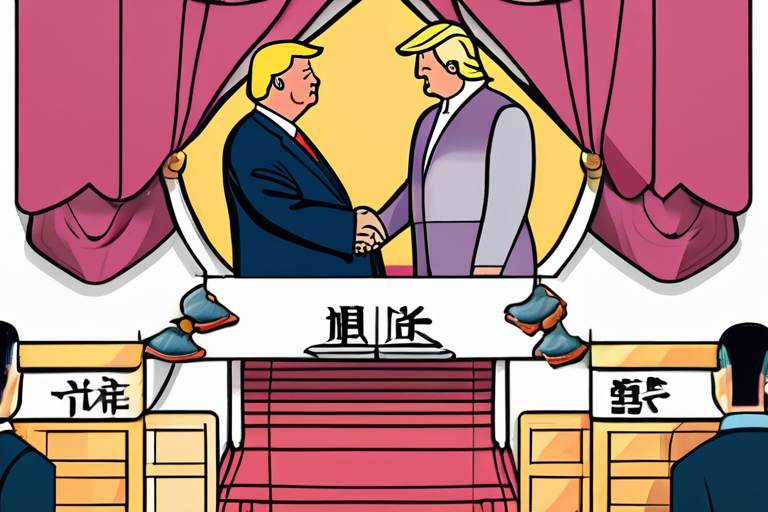
The Trump administration's behavior has been cited as a prime example of neoroyalism, with President Trump frequently involving his family members in diplomatic efforts. For instance, during a visit to South Korea in October, Trump was presented with a replica of a crown worn by the kings of Silla, a medieval Korean kingdom, and shook hands with South Korean President Lee Jae Myung in a ceremony that was seen as a nod to the country's royal heritage.
"This is a classic example of neoroyalism," said one of the political scientists who proposed the concept. "The Trump administration is using its personal relationships and business connections to advance its foreign policy goals, rather than relying on formal government channels."
The idea of neoroyalism has been met with skepticism by some, who argue that it is a simplistic or misleading way to understand the complexities of the Trump administration's foreign policy. However, others see it as a useful framework for understanding the administration's approach to diplomacy and trade.
"The Trump administration's approach to foreign policy is indeed unique, and it's worth exploring new frameworks to understand it," said a foreign policy expert. "Neoroyalism may not be the perfect fit, but it's a useful starting point for discussion and analysis."
The concept of neoroyalism is not without precedent, however. In medieval Europe, royal families often used their personal relationships and business connections to advance their interests and secure their power. The idea of neoroyalism suggests that the Trump administration is drawing on this historical precedent in its approach to foreign policy.
As the Trump administration continues to navigate the complexities of global diplomacy, the concept of neoroyalism is likely to remain a topic of debate and discussion among scholars and policymakers. While its relevance and accuracy may be disputed, it has already sparked a new wave of analysis and commentary on the administration's approach to foreign policy.
Trump Administration's Unconventional Foreign Policy: A Royal Revival
4
0
Multi-Source Journalism
This article synthesizes reporting from multiple credible news sources to provide comprehensive, balanced coverage.






















Share & Engage Share
Share this article