

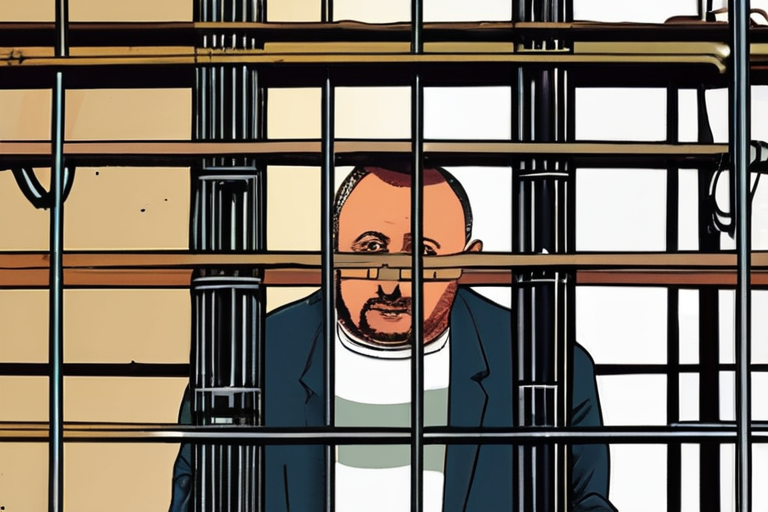
A Syrian lawyer, Ammar, has uncovered classified documents from the notorious Sednaya prison, revealing the fates of thousands of people who disappeared during the al-Assad regime. The documents, discovered in the ruins of the prison after the regime's fall, detail records of enforced disappearances and deaths, exposing the regime's brutality.
Ammar, a former Sednaya prison detainee, has been searching for answers about the disappeared, driven by a desire for justice and closure. According to Ammar, the documents he found contain records of over 14,000 people who were detained and disappeared between 2011 and 2015. "These documents are a testament to the regime's crimes," Ammar said. "They show the extent of their brutality and the suffering they inflicted on innocent people."
The documents, which include names, dates of birth, and details of the circumstances of their detention, have provided a sense of closure for some families who had been searching for their loved ones. "We had been searching for my brother for years," said one woman, who wished to remain anonymous. "When we found out he was listed in the documents, it was a mix of emotions - sadness, anger, and finally, closure."
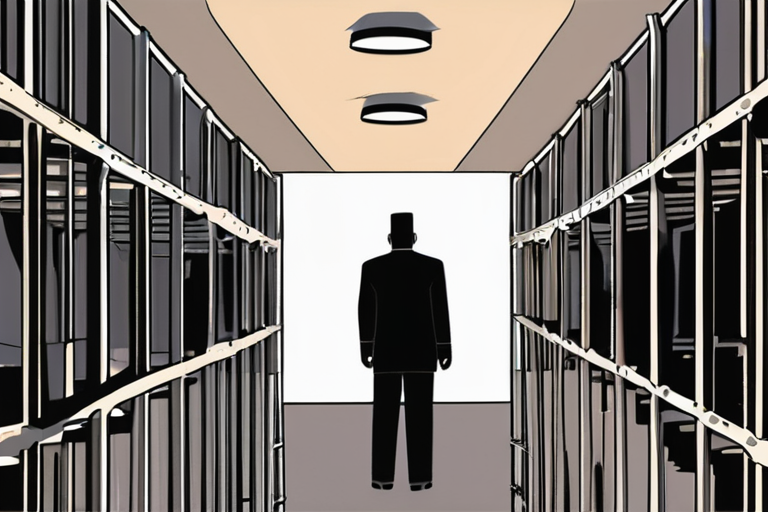
The Sednaya prison, located just north of Damascus, was notorious for its harsh conditions and high mortality rate. Human rights groups have long accused the regime of using the prison as a site for enforced disappearances, torture, and extrajudicial killings. The discovery of the documents has shed new light on the regime's crimes and has sparked calls for accountability and justice.
The Syrian government has not commented on the discovery of the documents, but human rights groups have welcomed the move as a step towards transparency and accountability. "This is a significant development in the pursuit of justice for the victims of the regime's crimes," said a spokesperson for the Syrian Human Rights Committee. "We hope that this will lead to further investigations and prosecutions of those responsible."
Ammar's search for the truth about the disappeared is ongoing, and he continues to work with human rights groups and families to uncover more information about the regime's crimes. His efforts have provided a fragile hope for reconciliation and justice in a fractured Syria, where many are still searching for answers about the disappeared.
In recent years, there have been efforts to establish a truth and reconciliation commission in Syria to investigate the regime's crimes and provide justice for the victims. However, these efforts have been hindered by the ongoing conflict and the lack of international support. Ammar's work has highlighted the need for a comprehensive investigation into the regime's crimes and the importance of holding those responsible accountable.
As the search for justice continues, Ammar's story serves as a reminder of the importance of accountability and transparency in the pursuit of human rights. His determination to uncover the truth about the disappeared has provided a sense of hope for many families and has sparked a renewed call for justice in Syria.
Syrian Lawyer Uncovers Sednaya Prison's Hidden Truth: Thousands of Disappeared Revealed
1
0
Multi-Source Journalism
This article synthesizes reporting from multiple credible news sources to provide comprehensive, balanced coverage.









Share & Engage Share
Share this article