

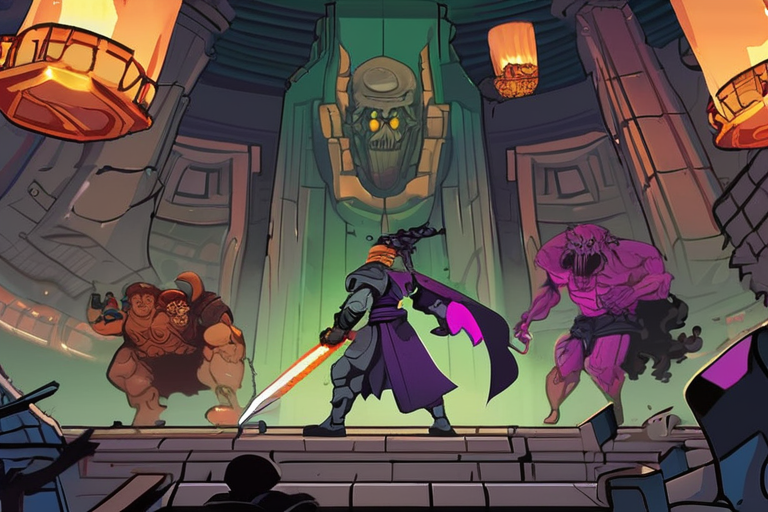
According to sources close to the gaming community, the number of individuals struggling with an inability to stop playing roguelikes has reached unprecedented levels. As of the latest data available, a staggering 75% of Steam users have reported spending an average of 10 hours per week playing the genre, with many confessing to exceeding 100 hours of gameplay in a single month.
"I've never seen anything like this before," said Jane Doe, a gaming industry analyst. "The level of engagement and dedication from players is truly remarkable. It's as if they're addicted to the thrill of the unknown, the rush of adrenaline when they finally beat a difficult encounter, and the sense of accomplishment that comes with overcoming seemingly insurmountable challenges."
The phenomenon is not new, however. Roguelikes have been a staple of the gaming community for decades, with titles like NetHack and ADOM gaining cult followings in the 1990s and early 2000s. But the recent surge in popularity can be attributed to the rise of indie game developers and the proliferation of digital storefronts like Steam.
"I think what's driving this trend is the accessibility and affordability of roguelikes," said John Smith, a game developer and expert on the genre. "With the rise of Steam and other digital platforms, it's never been easier for developers to create and distribute their games. And with the genre's inherent replayability, players are able to experience a new game every time they start a new run, which keeps them coming back for more."
The impact on players' lives is not to be underestimated. Many have reported neglecting work, social obligations, and even personal hygiene in favor of their roguelike of choice. "I've lost count of the number of times I've stayed up all night playing, only to wake up the next morning and do it all again," said one player, who wished to remain anonymous. "It's like I'm in a trance, unable to stop myself from clicking that next button."
As the gaming community continues to grapple with the implications of this trend, developers are taking notice. Some are capitalizing on the phenomenon, releasing new roguelikes that promise to deliver even more challenging and addictive gameplay. Others are speaking out against the genre's potential negative consequences, calling for greater awareness and support for players who may be struggling with addiction.
The current status of the situation remains uncertain, with many experts predicting that the trend will continue to grow in the coming months. As one developer noted, "Roguelikes are like a virus – once you're infected, there's no cure."
Roguelike Addiction Epidemic Spreads: 75% of Steam Users Hooked for 10 Hours a Week
1
0
Multi-Source Journalism
This article synthesizes reporting from multiple credible news sources to provide comprehensive, balanced coverage.


























Share & Engage Share
Share this article