

Breaking News: Genetic Tests Fail to Explain Canine Behavior
A recent study has left many pet owners wondering about the accuracy of at-home genetic tests that claim to predict their dog's personality and behavior. According to a team of geneticists at the University of Massachusetts, there is no connection between simple genetic variants and behavioral traits in dogs. The study, published in a leading scientific journal, analyzed DNA sequences and behavioral surveys from over 3,200 dogs enrolled in the Darwins Ark project.
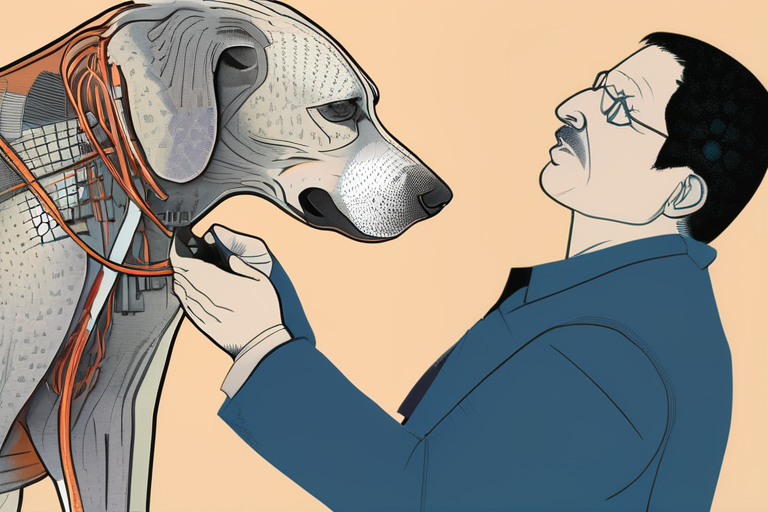
Researchers, led by genomicist Kathryn Lord, compared the genetic data with behavioral surveys filled out by the dogs' owners. Despite previous studies suggesting hundreds of genes could predict aspects of a dog's behavior and personality, the team found no correlation between genetic variants and behavioral traits. This challenges the validity of genetic tests marketed to pet owners, which claim to provide insights into their dog's anxiety levels, affectionate nature, and other personality traits.
The study's findings have immediate implications for the pet industry and owners who rely on genetic tests to understand their dogs' behavior. Many pet owners have turned to these tests, which can cost upwards of $100, in search of answers about their dog's behavior. However, the study's results suggest that these tests may not provide the insights they promise.
The Darwins Ark project, which began in 2015, aimed to collect genetic and behavioral data from over 5,000 dogs to better understand canine behavior and evolution. The project's findings have significant implications for our understanding of dog behavior and the development of more effective treatments for behavioral issues.
As the pet industry continues to grow, the study's findings highlight the need for more rigorous testing and validation of genetic tests. Pet owners should be cautious when relying on these tests and consider consulting with a veterinarian or animal behaviorist for more accurate insights into their dog's behavior. The study's results also underscore the complexity of canine behavior and the need for continued research into the genetic and environmental factors that influence it.
Genetic Tests Fall Short: Uncovering the Mystery of Canine Behavior
1
0

Multi-Source Journalism
This article synthesizes reporting from multiple credible news sources to provide comprehensive, balanced coverage.




























Share & Engage Share
Share this article