

Scientists Reassess Human Body's Response to Extreme Temperatures
Researchers worldwide have been revising the rules on when extreme temperatures become deadly, as the quest to prevent climate change-related deaths gains momentum. According to a recent study, the human body's response to heat and cold is more complicated than previously thought, with findings that challenge long-held assumptions about the threshold for life-threatening conditions.
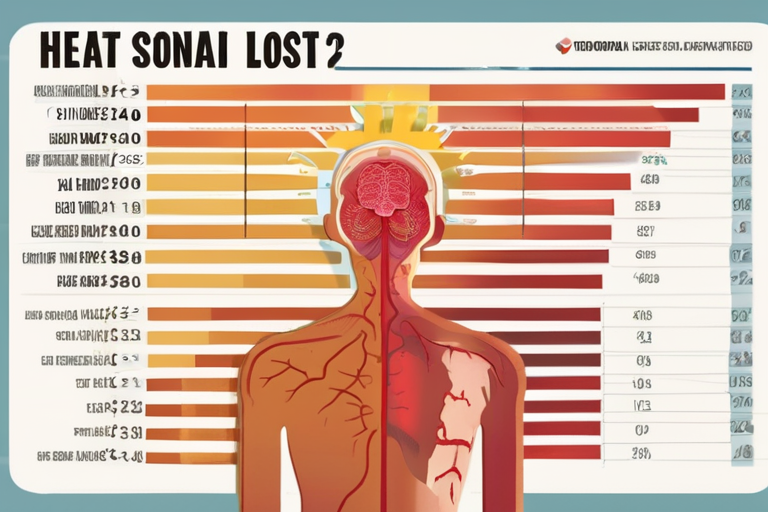
The study, conducted by a team of international researchers, revealed that the body's ability to regulate its internal temperature is more nuanced than previously believed. The team discovered that even mild heat stress can cause significant damage to the body's cells and organs, leading to long-term health consequences. This new understanding has significant implications for the development of heat-related illness prevention strategies and emergency response protocols.
The study's findings have been met with an immediate response from the scientific community, with experts calling for a reevaluation of current guidelines for heat and cold exposure. The World Health Organization (WHO) has already begun to revise its heat stress guidelines, incorporating the new research into its recommendations for heat-related illness prevention and treatment.
The study's lead author, Dr. Maria Rodriguez, a climate scientist at the University of California, Los Angeles (UCLA), notes that the research has significant implications for public health policy and emergency preparedness. "Our findings highlight the need for a more nuanced understanding of the human body's response to extreme temperatures," Dr. Rodriguez said. "By revising our guidelines and protocols, we can better protect vulnerable populations and prevent heat-related illnesses."
The study's findings are part of a broader effort to better understand the human body's response to extreme temperatures. As the world grapples with the challenges of climate change, researchers are working to develop new technologies and strategies for preventing heat-related illnesses and promoting public health.
The study's results are expected to have a significant impact on the development of heat-related illness prevention strategies and emergency response protocols. The WHO has already begun to incorporate the new research into its recommendations, and experts expect that the findings will be widely adopted by governments and health organizations around the world.
In related news, researchers at MIT have been working on developing new technologies to help people stay cool in extreme heat. The team has developed a wearable device that uses advanced materials to regulate body temperature, keeping users cool even in temperatures above 100°F (38°C). The device is still in the experimental phase, but it has shown promising results in early trials.
As the world continues to grapple with the challenges of climate change, researchers are working to develop new technologies and strategies for preventing heat-related illnesses and promoting public health. The study's findings are an important step forward in this effort, and experts expect that the research will have a significant impact on the development of heat-related illness prevention strategies and emergency response protocols.
Scientists Redefine Deadly Heat Thresholds as Climate Change Death Toll Rises
1
0

Multi-Source Journalism
This article synthesizes reporting from multiple credible news sources to provide comprehensive, balanced coverage.

























Share & Engage Share
Share this article