

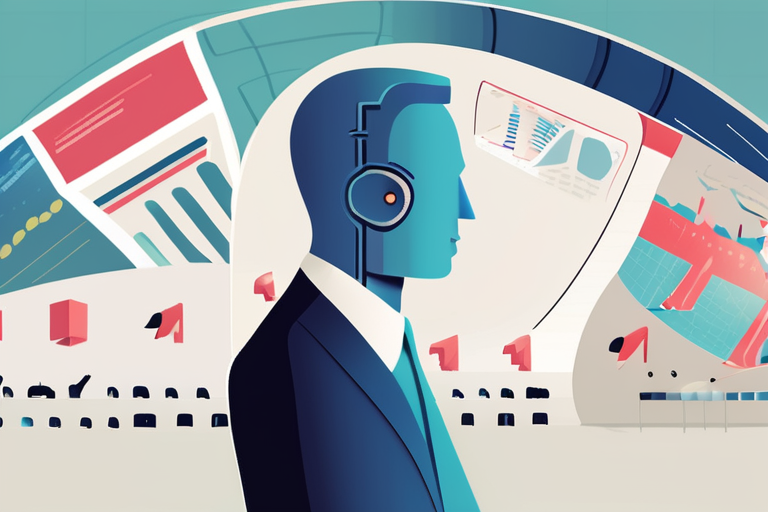
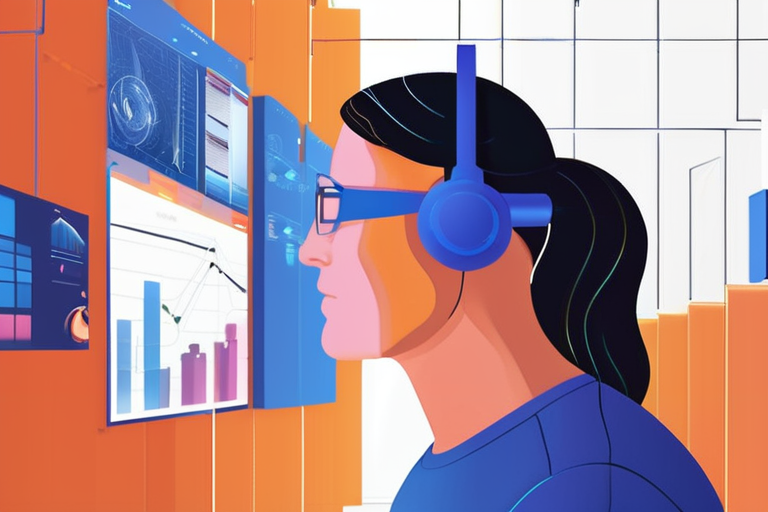
The workforce is undergoing a significant transformation as a new generation of AI-native professionals enters the job market. According to recent research, individuals who began university when ChatGPT launched in 2022 now account for roughly half of all ChatGPT usage, applying it to tasks such as research and decision-making in knowledge-intensive work.
This shift is largely driven by the impatience of younger workers who want to leverage AI to strengthen their innovation capabilities. A conversation with a group of Nokia early-career talents in their early 20s highlighted this sentiment, with the individuals expressing a desire to move faster in adopting AI technologies. "They wanted to use AI to enhance their work and make a greater impact," said a Nokia spokesperson.
As AI becomes increasingly integrated into the workforce, it is allowing individual contributors to take on tasks previously handled by managers. Research by Harvard Business School found that access to Copilot increased employee productivity by 5 in core tasks. This trend is expected to continue as hierarchies flatten and productivity rises.
The implications of this shift are significant, with some experts warning that AI-driven hiring slowdowns may disproportionately impact younger workers. However, others argue that the greater opportunity lies in a new generation of professionals entering the workforce equipped with the skills to navigate the rapidly changing landscape of AI-driven work.
The emergence of AI-native professionals is also changing the way teams and leadership operate. "As AI takes on more routine tasks, leaders will need to focus on higher-level decision-making and strategy," said a Harvard Business School professor. "This requires a different set of skills and a different approach to leadership."
The current status of AI adoption in the workforce is one of rapid growth and transformation. As more companies invest in AI technologies, the demand for AI-native professionals is expected to continue rising. In response, educational institutions are beginning to adapt their curricula to include more AI-focused courses and training programs.
Looking ahead, the next developments in AI adoption are likely to be shaped by the needs and preferences of younger workers. As this generation continues to drive innovation and growth, it will be essential for leaders to adapt and evolve to meet their needs and expectations.
Workforce Transformation Accelerates: AI-Native Professionals Redefine the Job Market
1
0
Multi-Source Journalism
This article synthesizes reporting from multiple credible news sources to provide comprehensive, balanced coverage.













Share & Engage Share
Share this article