

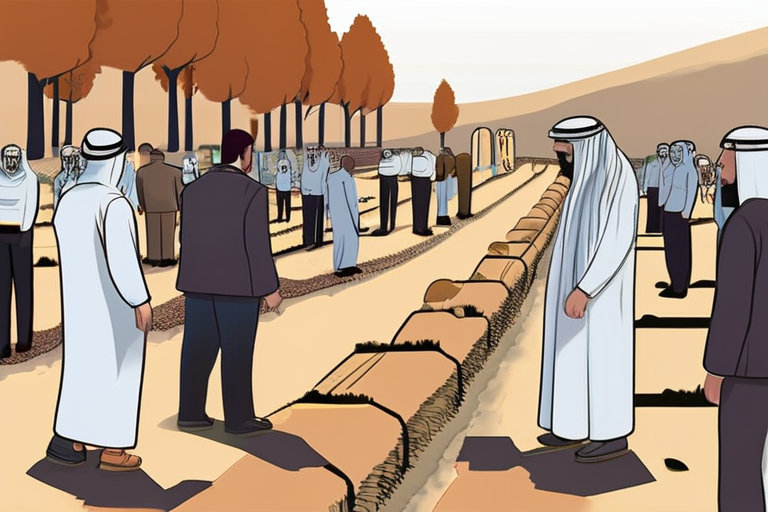
Syria marked the one-year anniversary of the fall of the Assad regime on December 8, 2024, a significant milestone in the country's tumultuous history. The regime's collapse was a culmination of years of protests, civil war, and international intervention, which ultimately led to the ousting of President Bashar al-Assad in December 2023.
According to reports, Syrians across the country observed the anniversary with a mix of emotions, ranging from relief to anxiety about the country's future. "We are still trying to process what happened," said Ammar, a resident of Damascus, who wished to remain anonymous for security reasons. "It's been a year since the regime fell, but the reality on the ground is that not much has changed. We still face the same challenges, and the country is still in shambles."
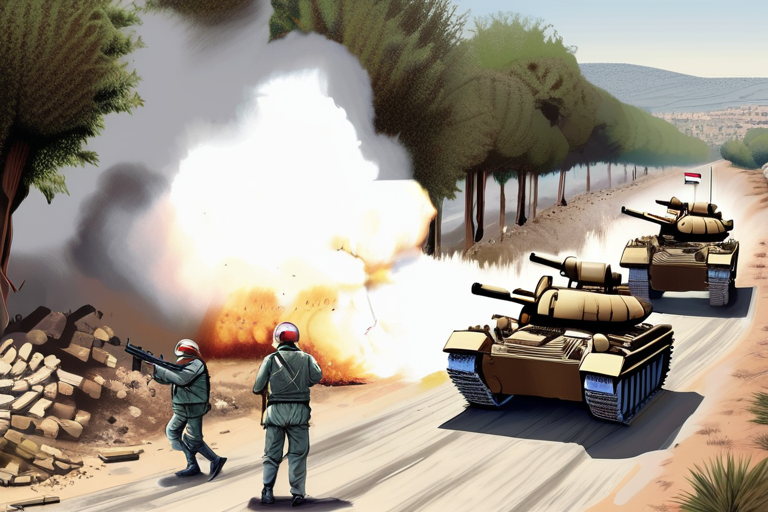
The fall of the Assad regime was a result of a combination of internal and external factors. The Syrian people had been protesting against the regime's authoritarian rule and human rights abuses since 2011, but it wasn't until the international community imposed economic sanctions and provided military support to opposition forces that the regime began to crumble. The regime's military was weakened by a series of defeats at the hands of opposition forces, which were backed by Turkey, the United States, and other countries.
The background of the Syrian conflict is complex and multifaceted. The country had been ruled by the Assad family for over four decades, with Bashar al-Assad succeeding his father Hafez in 2000. The regime's authoritarian rule was marked by human rights abuses, corruption, and economic mismanagement, which led to widespread discontent among the population. The protests that began in 2011 were initially peaceful but soon turned violent as the regime responded with force, leading to a full-blown civil war.
As the country marks the one-year anniversary of the regime's fall, Syrians are grappling with the implications of this new reality. "We are still trying to figure out what this means for our country," said Dr. Amal, a Syrian academic who has been studying the conflict. "We have a new government, but it's still unclear what its priorities will be and how it will address the many challenges facing the country."
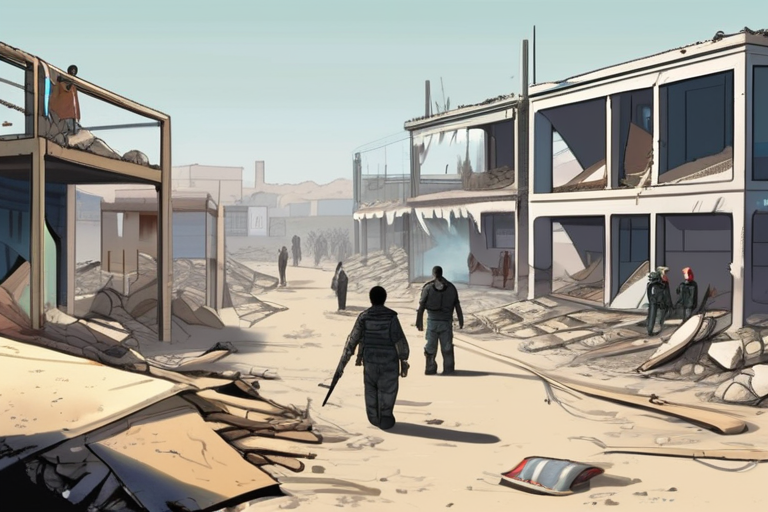
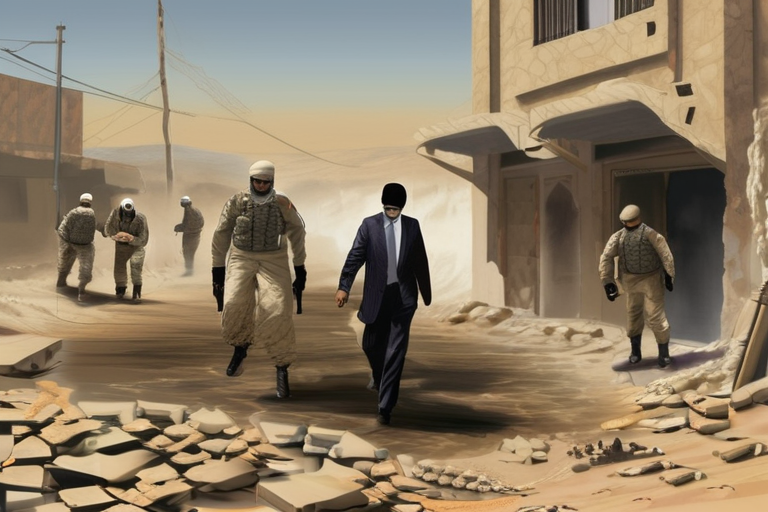
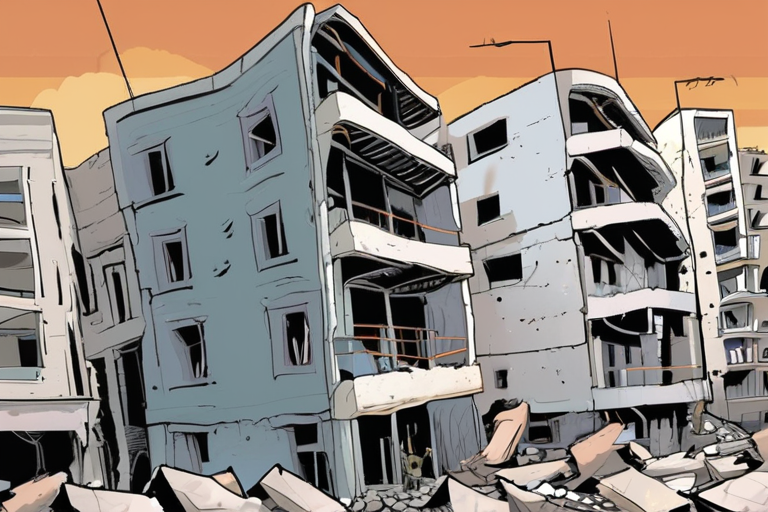
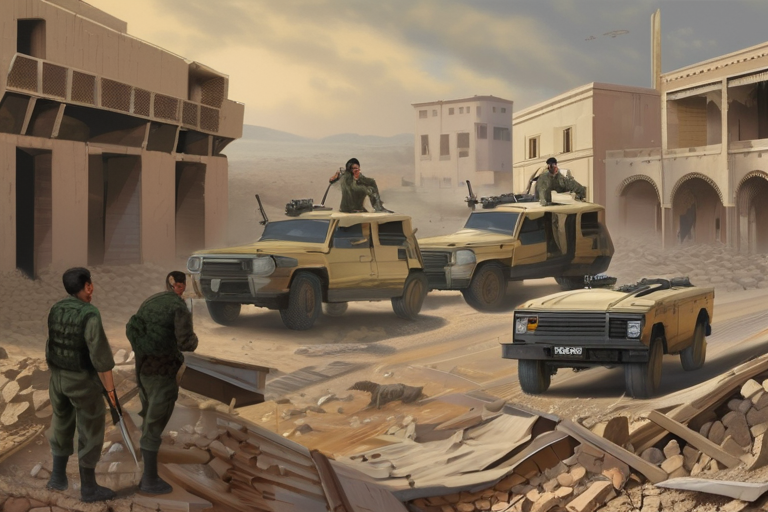
The current status of Syria is precarious, with many challenges still to be addressed. The country is still recovering from the devastating effects of the civil war, which has left millions of people displaced, injured, or dead. The economy is in shambles, and the country's infrastructure is badly damaged. However, there are also signs of hope, with the new government working to rebuild the country and provide basic services to its citizens.
As the country looks to the future, many Syrians are optimistic about the prospects for peace and stability. "We have a long way to go, but we are hopeful that this new chapter in our country's history will bring about positive change," said Ammar, the resident of Damascus. The international community is also playing a crucial role in supporting the new government and helping to rebuild the country. The United Nations has pledged millions of dollars in aid to support the recovery efforts, and other countries are also providing assistance.
In conclusion, the fall of the Assad regime in Syria marks a significant milestone in the country's history, but it also highlights the many challenges that still lie ahead. As the country looks to the future, Syrians are hopeful that this new chapter will bring about peace, stability, and prosperity, but the road ahead will be long and difficult.
Syria Celebrates One Year of Regime Collapse Amid Ongoing Reconstruction
1
0
Multi-Source Journalism
This article synthesizes reporting from multiple credible news sources to provide comprehensive, balanced coverage.



















Share & Engage Share
Share this article