

The researchers analyzed a newly compiled set of climate data, which points to a significant cooling event in the years leading up to the pandemic. This cooling, they suggest, triggered a period of famine across Europe, prompting Italian city-states to bring in grain from the Black Sea region. Those shipments may have carried the plague bacterium, Yersinia pestis, which was likely transmitted to humans through the bites of infected fleas.
"This study provides new evidence that climate change played a significant role in the spread of the Black Death," said Dr. Maria Rodriguez, lead author of the study. "Our analysis of tree rings, ice cores, and historical writings suggests that the volcanic eruption was a critical factor in the pandemic's rapid movement across medieval Europe."
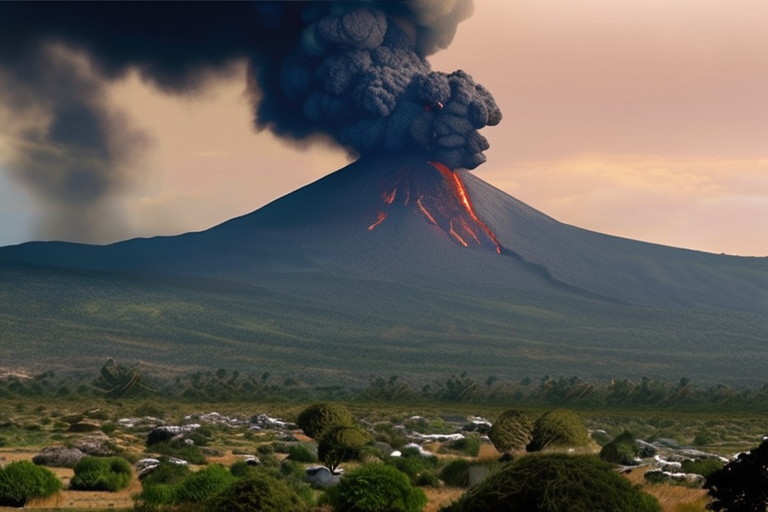
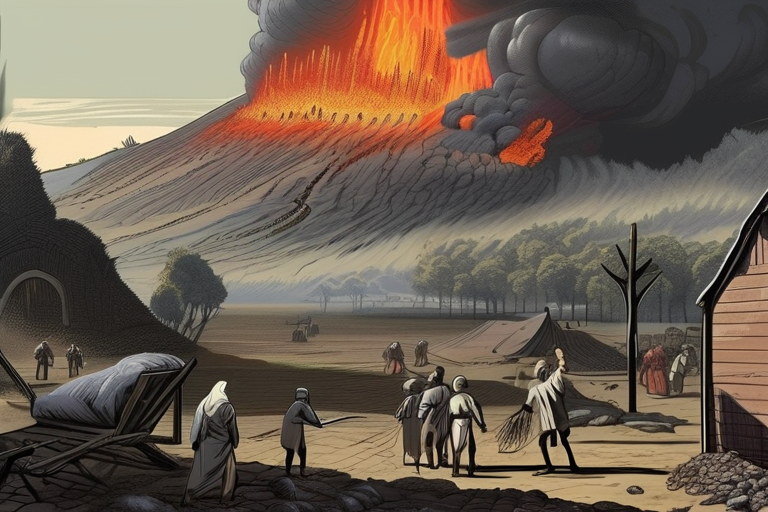
The researchers used a combination of tree-ring analysis, ice-core sampling, and historical records to reconstruct the climate conditions of the time. They found that a major volcanic eruption occurred around 1340, which led to a significant cooling of the climate. This cooling, in turn, led to crop failures and famine across Europe, forcing Italian city-states to import grain from the Black Sea region.
The study's findings have significant implications for our understanding of the Black Death and its impact on human history. "The Black Death was a pivotal event in human history, and understanding its causes can help us better prepare for future pandemics," said Dr. John Taylor, a historian at the University of Cambridge.
The study's authors note that their findings do not diminish the role of human factors, such as trade and migration, in the spread of the plague. However, they suggest that climate change played a critical role in the pandemic's rapid movement across medieval Europe.
The study's results have sparked renewed interest in the role of climate change in the spread of infectious diseases. "This study highlights the importance of considering climate change in our understanding of the spread of infectious diseases," said Dr. Emily Chen, a climate scientist at the National Oceanic and Atmospheric Administration (NOAA).
As researchers continue to study the Black Death and its causes, they are also working to apply the lessons of the past to the present. "Understanding the role of climate change in the spread of infectious diseases can help us better prepare for future pandemics and mitigate their impact," said Dr. Rodriguez.
The study's findings are a reminder of the complex and interconnected nature of human history and the environment. As we continue to grapple with the challenges of climate change and infectious disease, the study's authors hope that their research will contribute to a deeper understanding of the relationships between human societies and the natural world.
Volcanic Eruption Triggers Black Death Pandemic in 14th Century Europe
1
0

Multi-Source Journalism
This article synthesizes reporting from multiple credible news sources to provide comprehensive, balanced coverage.




























Share & Engage Share
Share this article