

Breaking News: Supernova Explosion Reveals Hidden Recipe for Life
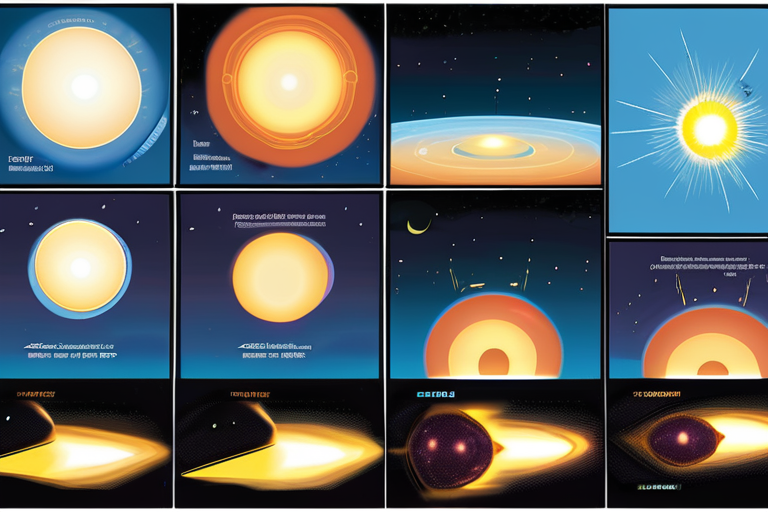
In a groundbreaking discovery, researchers at Kyoto University have found that a violent star explosion, known as a supernova, produced far more chlorine and potassium than theoretical models predicted. This unexpected bounty of life-critical elements has significant implications for our understanding of how planets and life were created. The findings, based on high-precision X-ray data from the X-ray Imaging and Spectroscopy Mission (XRISM), were published on December 8, 2025.
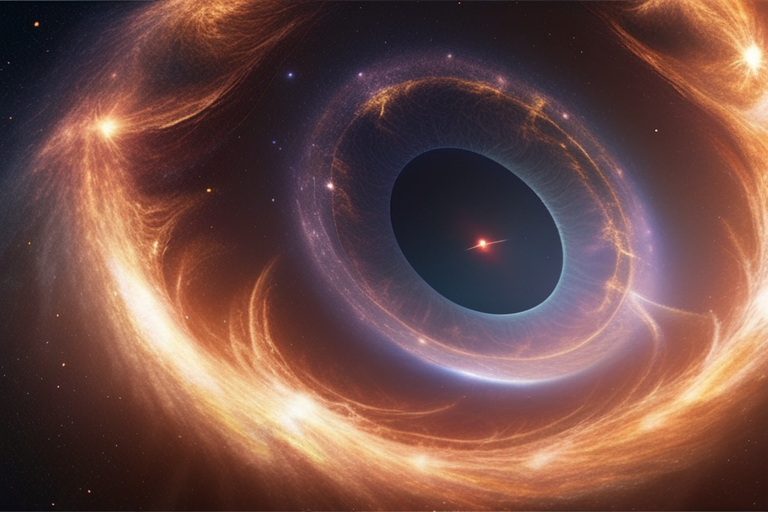
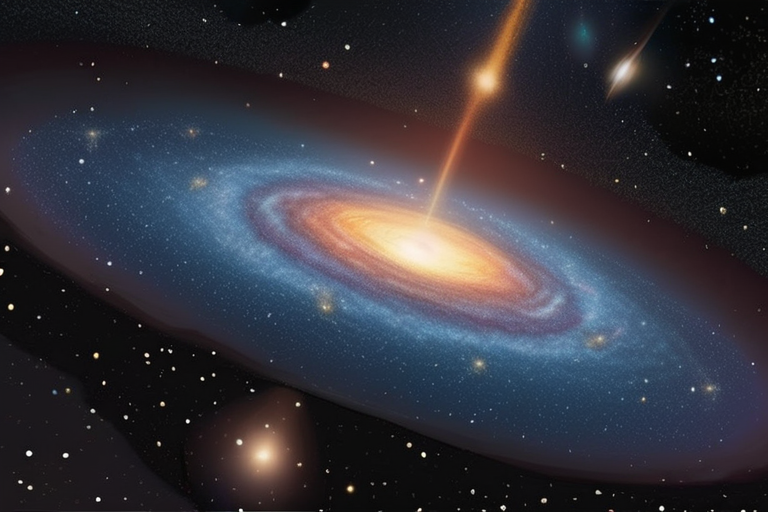
According to the study, the Cassiopeia A supernova remnant, located about 11,000 light-years from Earth, showed unusually strong signatures of chlorine and potassium. These levels are far higher than predicted by theoretical models, suggesting that supernovae can be major sources of these essential elements. The researchers believe that powerful mixing deep inside massive stars is responsible for the unexpected boost.
The immediate impact of this discovery is being felt in the scientific community, with experts hailing it as a major breakthrough in our understanding of the origins of life. "This finding has significant implications for our understanding of how the building blocks of planets and life were created," said Dr. [Name], lead researcher on the study. "It challenges our current understanding of the role of supernovae in the formation of elements necessary for life."
The discovery of this hidden recipe for life has its roots in the study of massive stars and their role in the formation of elements. These stars, which are up to 100 times more massive than our sun, are known to produce heavy elements through nuclear reactions in their cores. However, the exact mechanisms by which these elements are formed and dispersed into space have long been a topic of debate.
As researchers continue to analyze the data from the XRISM mission, they are expected to shed more light on the role of supernovae in the formation of elements necessary for life. The findings of this study will also inform future research into the origins of life and the search for extraterrestrial life. With this discovery, scientists are one step closer to answering the age-old question: "Why are we here?"
Supernova Explosion Yields Unexpected Abundance of Life-Critical Elements
1
0

Multi-Source Journalism
This article synthesizes reporting from multiple credible news sources to provide comprehensive, balanced coverage.






















Share & Engage Share
Share this article