

In a small town in Michigan, a sea of protesters gathered outside a proposed data center, their signs and banners a testament to the growing unease over the rapid expansion of these massive facilities. The Stargate data center, a $7 billion behemoth, was set to bring in a flood of electricity-hungry servers, further straining the local grid and sending electricity prices soaring. The residents of Saline, Michigan, were not alone in their concerns; similar protests were erupting across the United States, as the nation's war on data centers began to take shape.
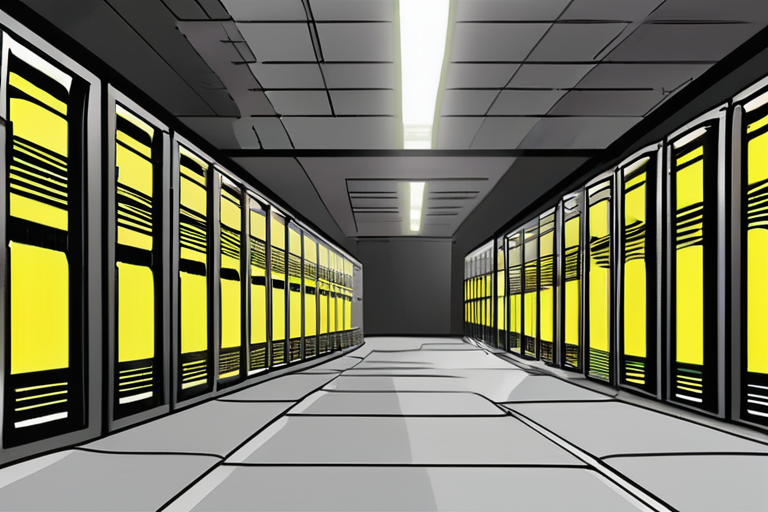
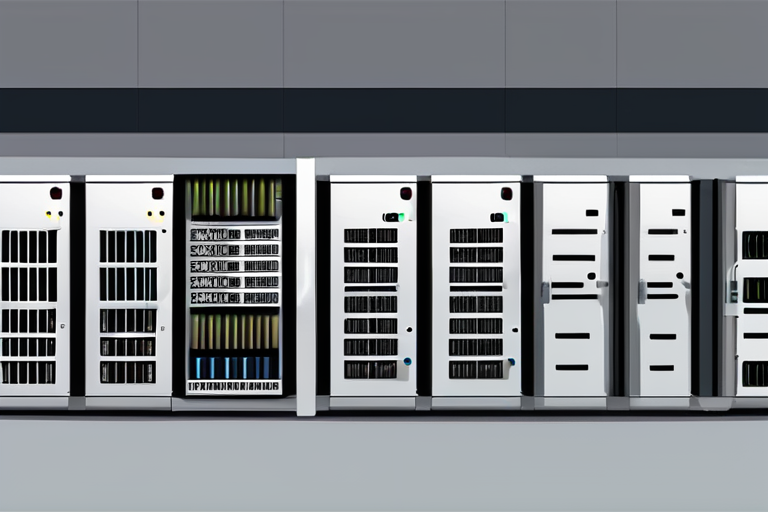
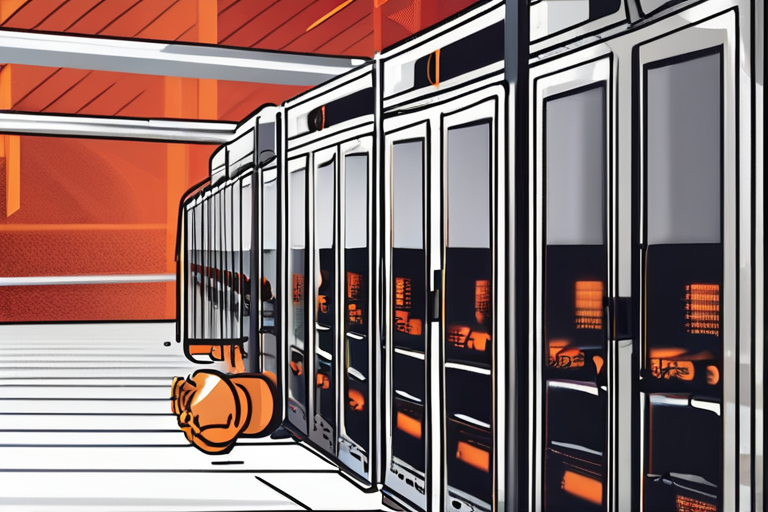
The data center boom has been a defining feature of the digital age, with these massive facilities sprouting up in every corner of the globe. They are the backbone of the internet, housing the servers that store and process the world's data. But as the demand for cloud computing and artificial intelligence continues to grow, so too does the strain on the power grid. In the United States, data centers now account for over 2% of the country's electricity consumption, a figure that is expected to triple by 2030.
The impact is being felt in communities like Saline, where the proposed Stargate data center has sparked a heated debate over the costs and benefits of hosting these massive facilities. "We're not against progress," said local resident Sarah Johnson, "but we need to think about the long-term consequences of this development." Johnson and her neighbors are worried that the data center will bring in a flood of new residents, straining the town's infrastructure and pushing up property values.
The concerns are not unique to Saline. In cities like New York and San Francisco, data centers have become a major point of contention, with residents and local officials grappling with the impact of these facilities on the power grid and the local economy. "Data centers are a double-edged sword," said Dr. Emily Chen, a leading expert on the topic. "On the one hand, they bring in new revenue and create jobs. On the other hand, they put a huge strain on the power grid, which can lead to blackouts and brownouts."
The issue is not just a local one; it has global implications. As the world becomes increasingly reliant on cloud computing and artificial intelligence, the demand for data centers is expected to skyrocket. In China, for example, the government has launched a major initiative to build out the country's data center infrastructure, with a focus on developing sustainable and energy-efficient facilities.
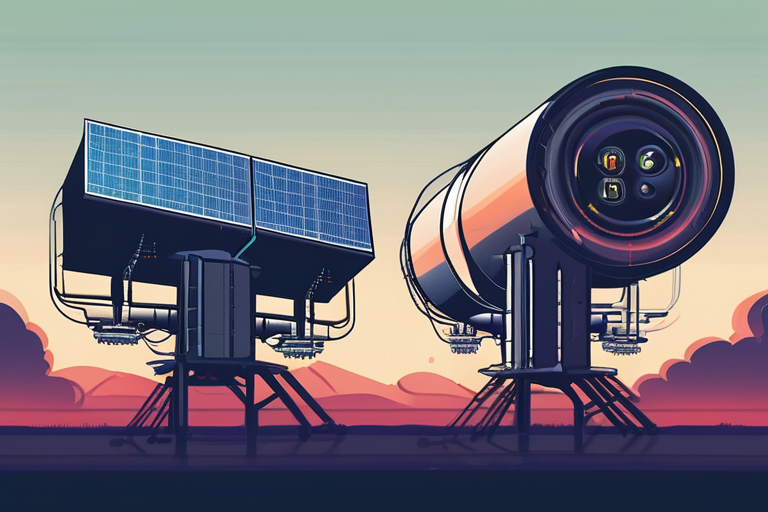
But as the world grapples with the challenges of hosting data centers, there are also opportunities for innovation and growth. Companies like Google and Amazon are investing heavily in renewable energy and energy-efficient technologies, with the goal of reducing their carbon footprint and minimizing the strain on the power grid.
As the war on data centers continues to unfold, one thing is clear: the future of these facilities will be shaped by a complex interplay of technological, economic, and environmental factors. "The data center industry is at a crossroads," said Dr. Chen. "We need to think about how to balance the needs of the industry with the needs of local communities and the environment."
In the end, the outcome will depend on the choices we make as a society. Will we prioritize the growth of the data center industry, even if it means straining the power grid and pushing up electricity prices? Or will we take a more sustainable approach, investing in renewable energy and energy-efficient technologies to minimize the impact of these facilities? The answer will shape not just the future of data centers, but the future of our planet.
Data Center Backlash Spreads: Michigan Town at Forefront of Growing Resistance
1
0
Multi-Source Journalism
This article synthesizes reporting from multiple credible news sources to provide comprehensive, balanced coverage.









Share & Engage Share
Share this article