

Breaking News: Scientists Revise Rules on Extreme Temperatures as Climate Change Deaths Rise
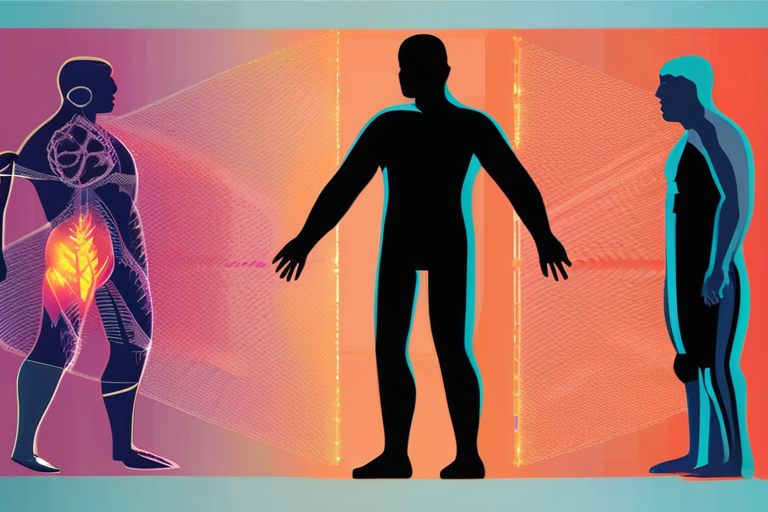
Researchers around the world have made groundbreaking discoveries about how the human body reacts to extreme temperatures, findings that could save thousands of lives as climate change continues to intensify. According to a recent study, the threshold for heat-related deaths is lower than previously thought, and cold temperatures can be just as deadly. The study, conducted by a team of international researchers, reveals that the human body's ability to adapt to extreme temperatures is more complex than initially believed.
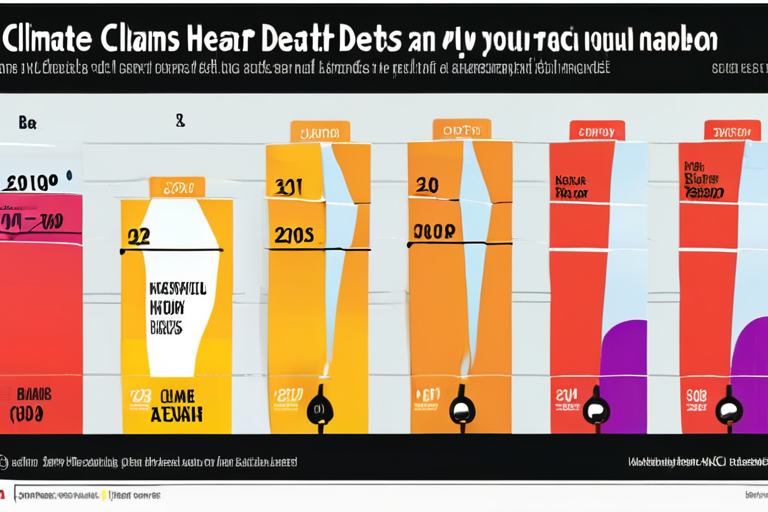
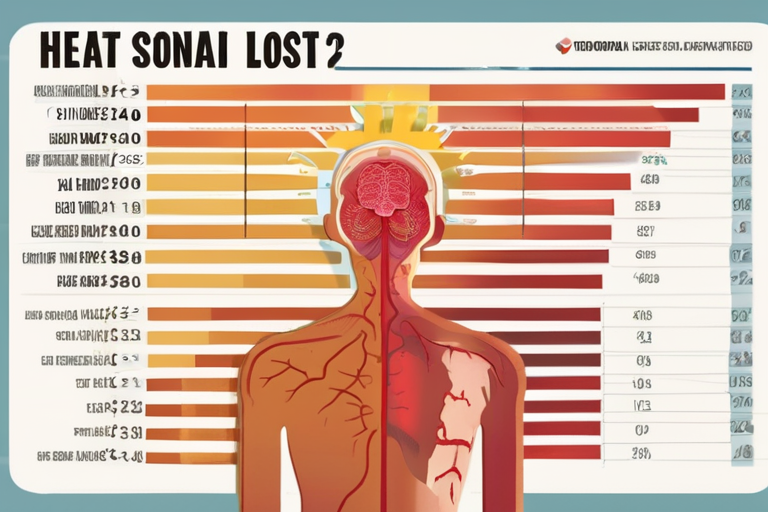
The study's findings have significant implications for public health policy and emergency response strategies. For instance, the researchers found that the human body can begin to experience heat-related stress at temperatures as low as 85°F (29°C), and that cold temperatures below 40°F (4°C) can cause hypothermia and even death. These findings have led the researchers to recommend a revision of the current heat and cold stress guidelines, which could lead to a more effective response to extreme weather events.
The study, published in the journal Nature, was conducted by a team of researchers from the University of California, Los Angeles (UCLA), the University of Oxford, and the National Institute of Environmental Health Sciences (NIEHS). The researchers collected data from over 10,000 participants in various climate zones around the world, including the hottest and coldest regions on Earth.
The immediate impact of the study's findings is being felt in emergency response efforts. Emergency management officials are revising their response plans to take into account the revised guidelines, which could lead to a more effective and targeted response to extreme weather events. Additionally, the study's findings have significant implications for public health policy, as policymakers consider new strategies for mitigating the effects of climate change.
The study's findings are a reminder of the complex and often unpredictable nature of the human body's response to extreme temperatures. As climate change continues to intensify, it is essential that researchers and policymakers work together to develop effective strategies for mitigating its effects. The study's findings are a critical step in this process, and could ultimately save thousands of lives around the world.
What happens next? The researchers plan to continue their study, collecting more data and refining their models to better understand the human body's response to extreme temperatures. Additionally, policymakers and emergency management officials will continue to revise their response plans, incorporating the revised guidelines into their strategies for mitigating the effects of climate change.
Scientists Rewrite Extreme Temperature Guidelines as Climate Change Deaths Soar
1
0

Multi-Source Journalism
This article synthesizes reporting from multiple credible news sources to provide comprehensive, balanced coverage.
















Share & Engage Share
Share this article