

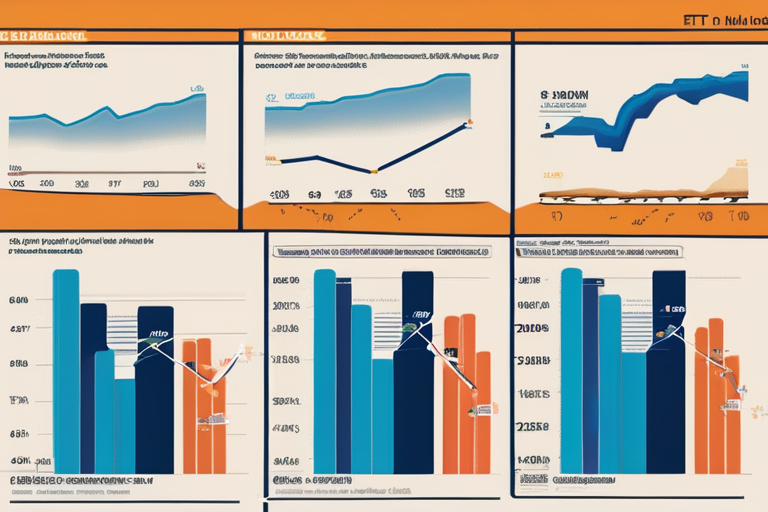
Mutual fund ownership appears set to keep rising among middle-income households as 401(k) participation expands, offsetting ETFs' appeal. According to data from the Investment Company Institute (ICI), fund participation climbed to 56 in 2025 from 43 in 2005. This trend is expected to continue, driven by younger savers' automatic payroll contributions that can sustain inflows and support steady asset growth, according to Bloomberg Intelligence.
David Cohne, an analyst at Bloomberg Intelligence, attributed the rise in mutual fund ownership to the increasing popularity of 401(k) plans among middle-income households. "Younger savers are more likely to participate in 401(k) plans, which often come with automatic payroll contributions," Cohne said in an interview with Bloomberg ETF IQ. "This can lead to sustained inflows and steady asset growth, making mutual funds an attractive option for these investors."
The trend is also driven by the growing awareness of the importance of retirement savings among middle-income households. According to a report by the Employee Benefit Research Institute (EBRI), 56% of workers aged 25-34 have a 401(k) or similar plan, compared to 34% of workers aged 45-54. This shift towards retirement savings is expected to continue, driven by the increasing popularity of 401(k) plans and the growing awareness of the importance of retirement savings.
The rise in mutual fund ownership among middle-income households has significant implications for the financial industry. As more investors turn to mutual funds, the demand for actively managed funds is expected to increase, leading to higher fees and potentially lower returns for investors. On the other hand, the growth of ETFs is expected to continue, driven by their low costs and flexibility.
The current status of the trend is that mutual fund ownership is expected to continue rising among middle-income households, driven by the increasing popularity of 401(k) plans and the growing awareness of the importance of retirement savings. As the trend continues, investors are advised to carefully consider their investment options and fees associated with different types of funds. According to Cohne, "investors should be aware of the fees associated with mutual funds and ETFs, and choose the option that best suits their investment goals and risk tolerance."
Mutual Funds Outpace ETFs in 401(k) Accounts Amid Growing Participation
2
0

Multi-Source Journalism
This article synthesizes reporting from multiple credible news sources to provide comprehensive, balanced coverage.































Share & Engage Share
Share this article