

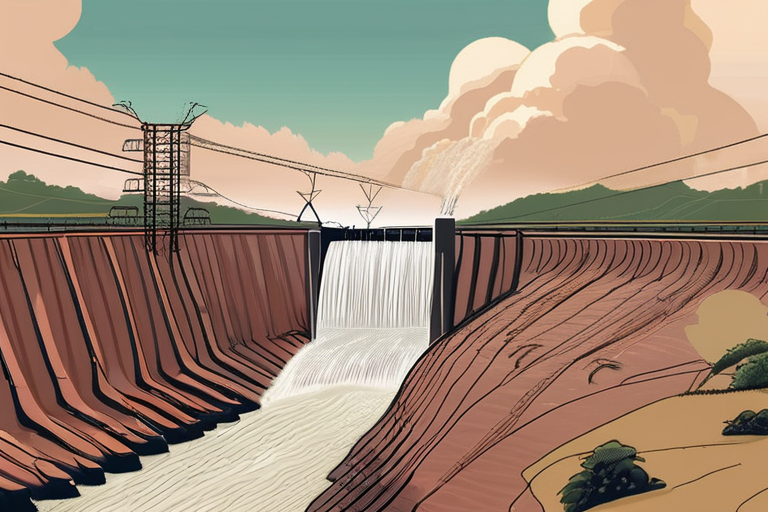
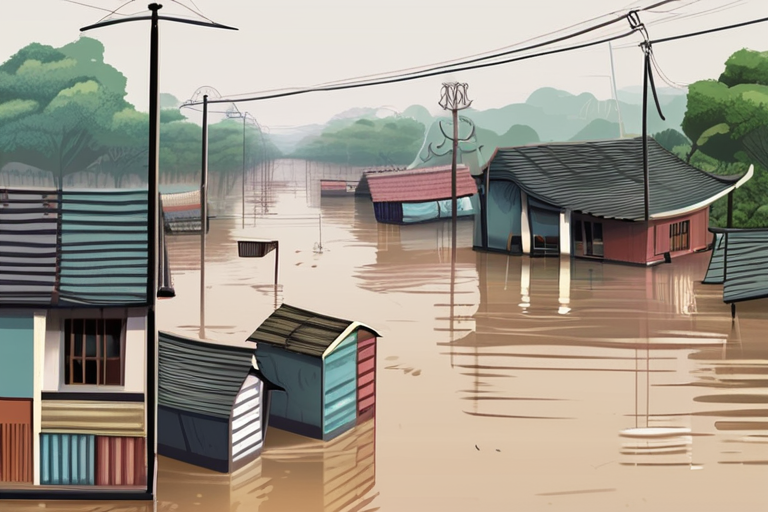
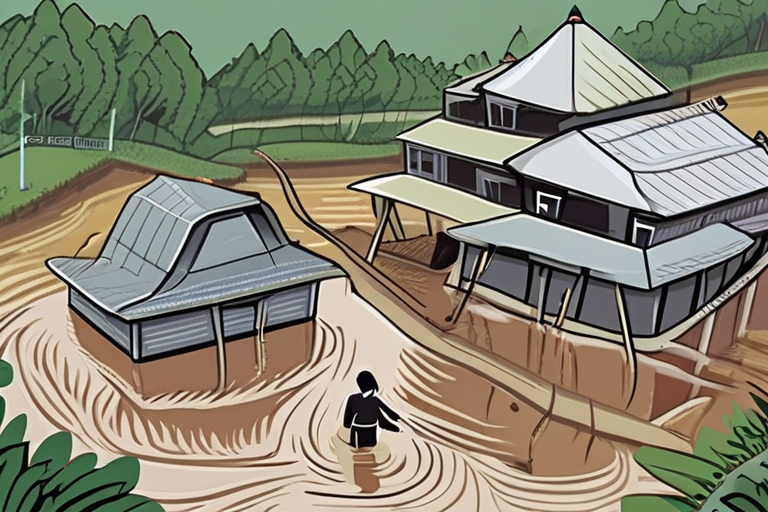
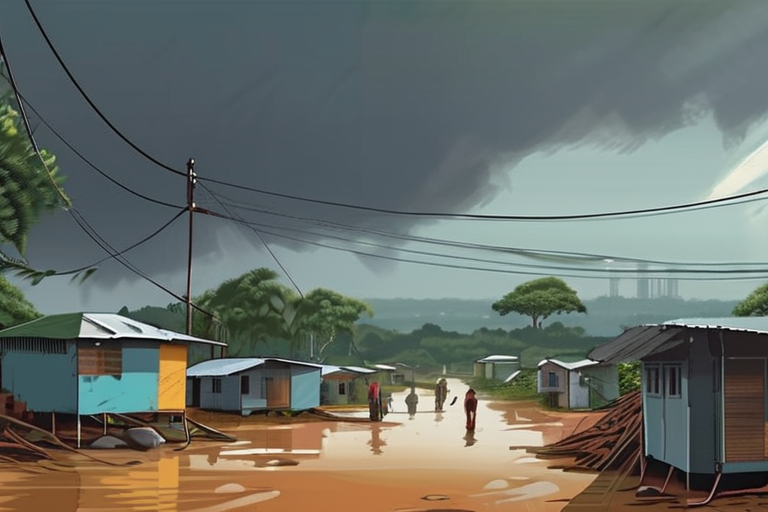
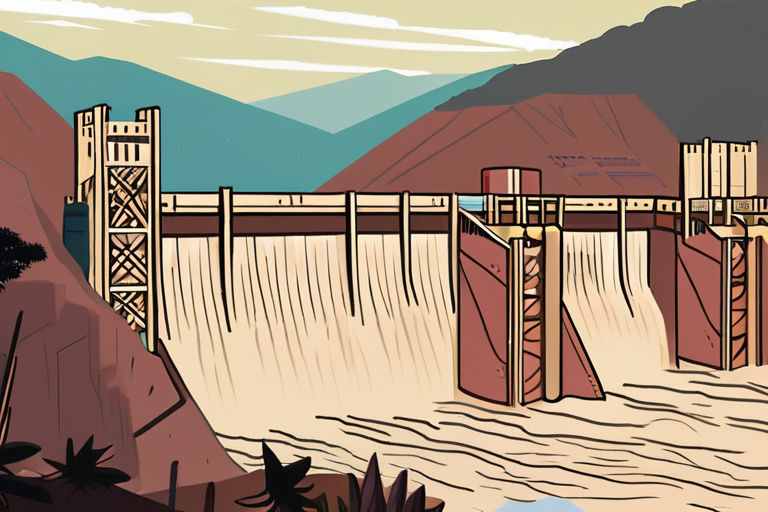
Shares of the world's largest hydroelectric dam, located in the southern part of Madagascar, plummeted in September as a massive flood swept through the region, displacing thousands of people and destroying vast areas of forest. The dam, which spans the Onilahy River, was built to harness the power of the river and supply electricity to the surrounding communities. However, the recent flood has raised concerns about the dam's safety and the impact of climate change on the region's ecosystem.
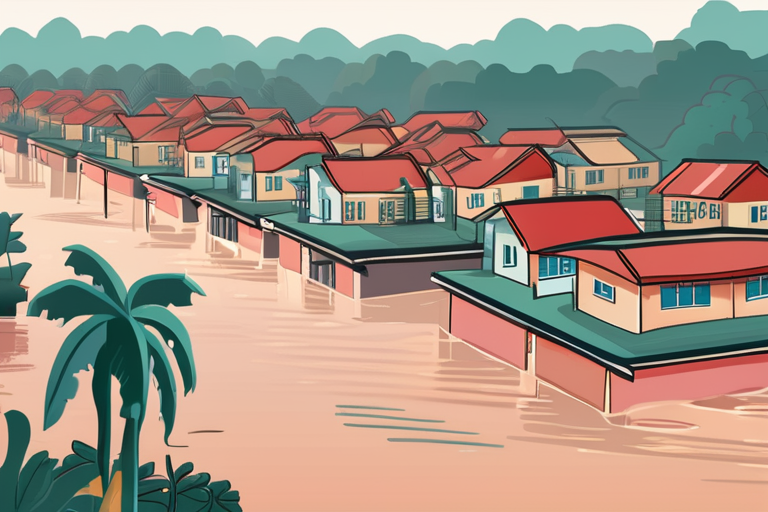
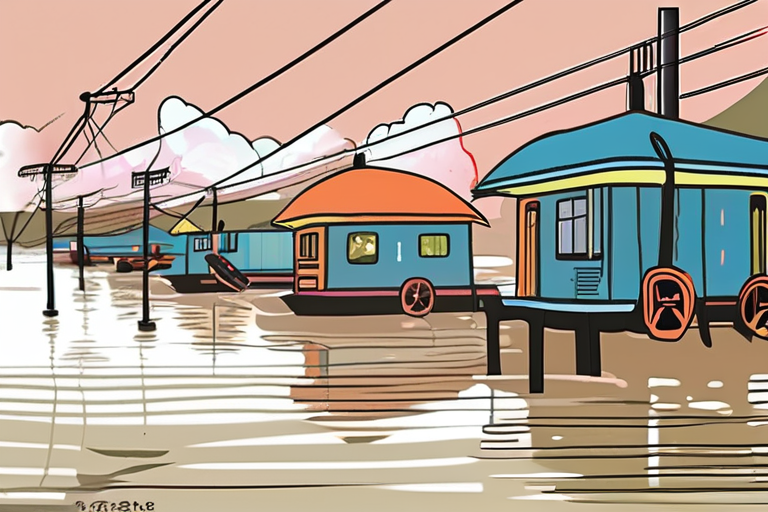
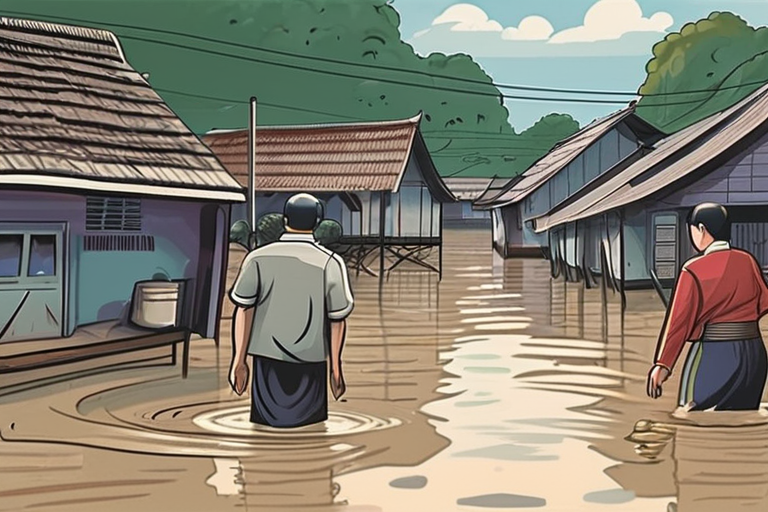
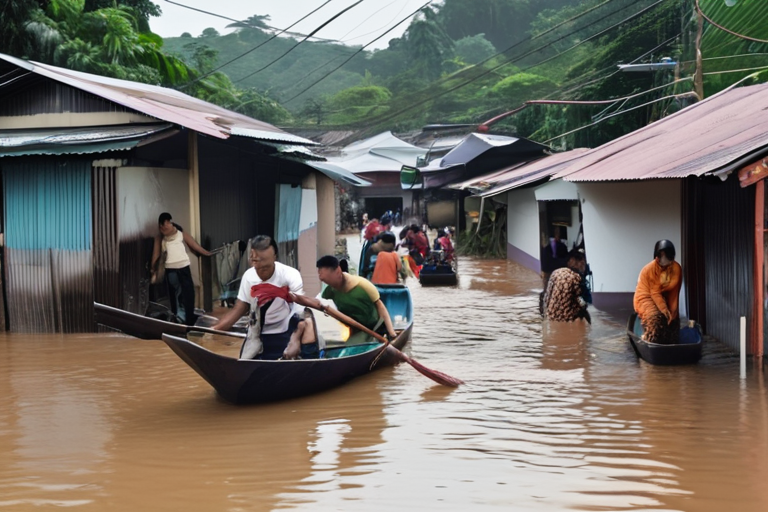
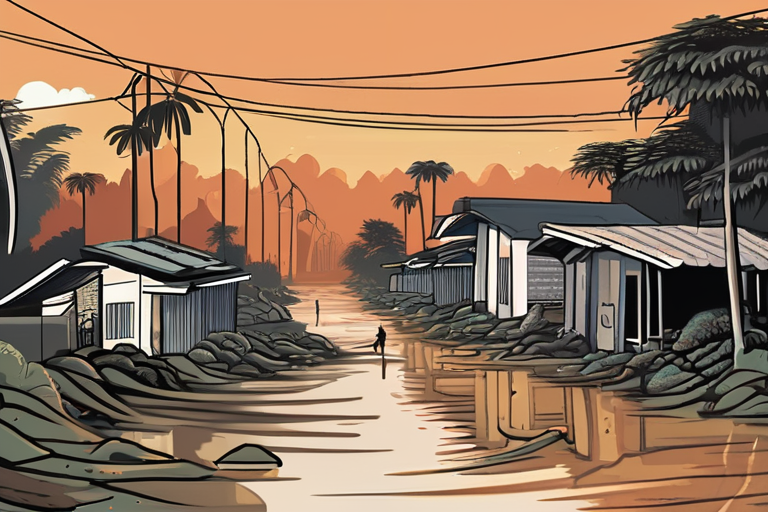
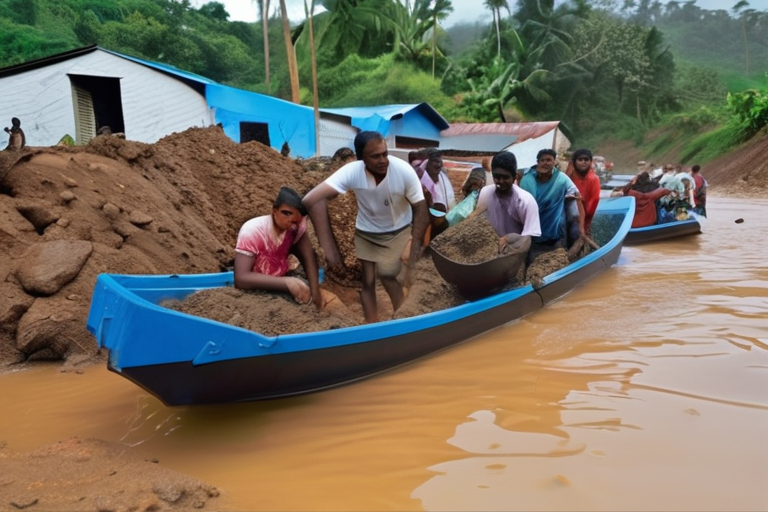
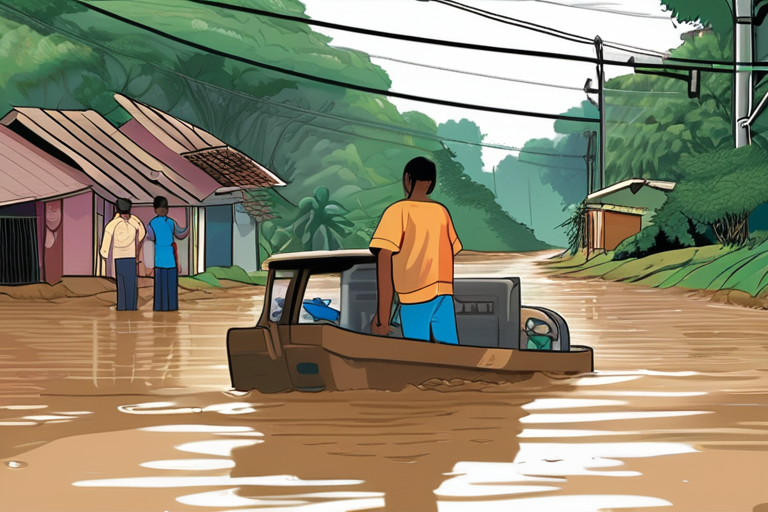
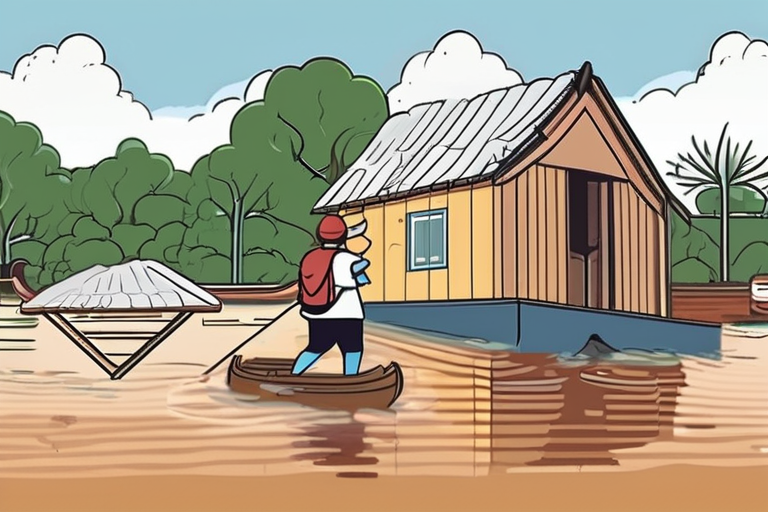
According to eyewitnesses, the floodwaters rose to unprecedented levels, inundating the nearby town of Mahaleotse and destroying a significant portion of the local forest. "The water was rising so fast, it was like a wall of water," said Andiana Maky, a local resident who witnessed the flood. "We had to evacuate immediately to higher ground."
The flood is believed to have been exacerbated by climate change, which has led to rising temperatures and changing weather patterns in the region. "Climate change is making these types of events more frequent and more severe," said Benji Jones, an environmental correspondent at Vox. "We're seeing more intense rainfall, more frequent droughts, and more extreme weather events. It's a perfect storm of climate change impacts."
The Onilahy River dam is one of the largest hydroelectric dams in the region, and it has been a source of controversy in recent years. Environmental groups have raised concerns about the dam's impact on the local ecosystem and the displacement of communities. "This dam is a symbol of the conflict between development and conservation," said Garth Cripps, a wildlife researcher who has studied the impact of the dam on the local environment. "We need to find a balance between meeting our energy needs and protecting the natural world."
The recent flood has highlighted the need for more sustainable and resilient infrastructure in the region. "We need to invest in climate-resilient infrastructure that can withstand these types of events," said Jones. "We also need to prioritize conservation and restoration efforts to protect the natural world and the communities that depend on it."
As the region continues to recover from the flood, officials are working to assess the damage and develop a plan to prevent similar events in the future. The incident serves as a stark reminder of the need for urgent action to address climate change and its impacts on the environment and human communities.
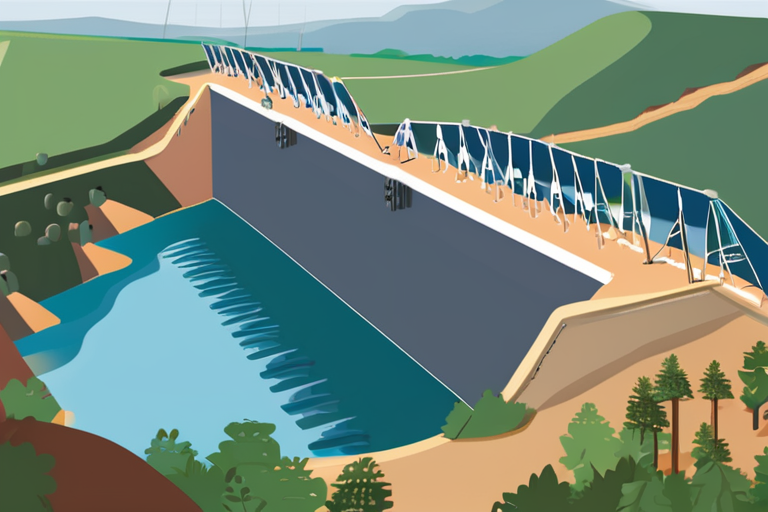
In related news, the Malagasy government has announced plans to invest in renewable energy projects, including solar and wind power, to reduce the country's reliance on fossil fuels and mitigate the impacts of climate change. The move is seen as a positive step towards a more sustainable and climate-resilient future for the region.
The incident has also sparked a renewed debate about the role of hydroelectric dams in the region's energy mix. While dams can provide a reliable source of renewable energy, they can also have significant environmental and social impacts. As the world continues to transition to a low-carbon economy, it's essential to consider the trade-offs and find more sustainable solutions that balance energy needs with environmental and social concerns.
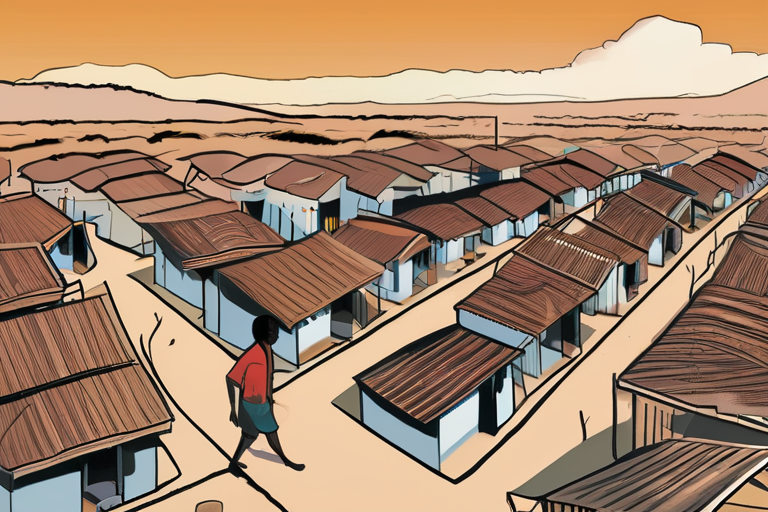
In the meantime, the people of Madagascar are left to pick up the pieces and rebuild their communities. The recent flood serves as a stark reminder of the need for urgent action to address climate change and its impacts on the environment and human communities.
Madagascar's Hydroelectric Dam Under Siege: Massive Floods Disrupt Power Generation
1
0
Multi-Source Journalism
This article synthesizes reporting from multiple credible news sources to provide comprehensive, balanced coverage.












Share & Engage Share
Share this article