

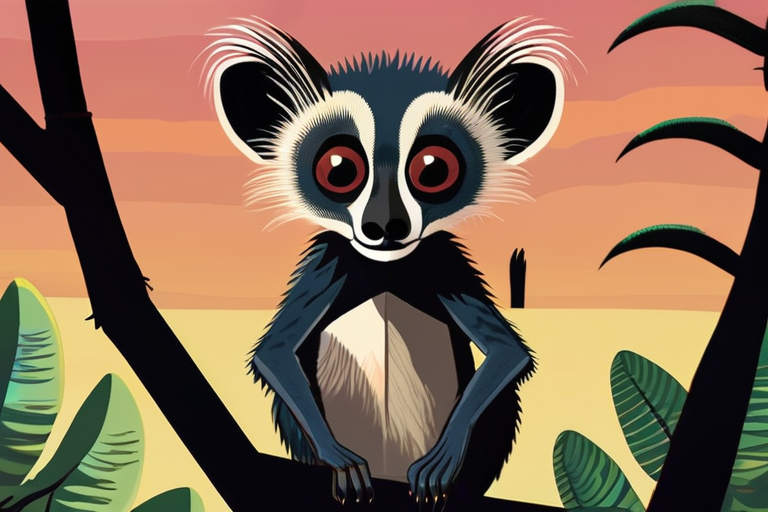
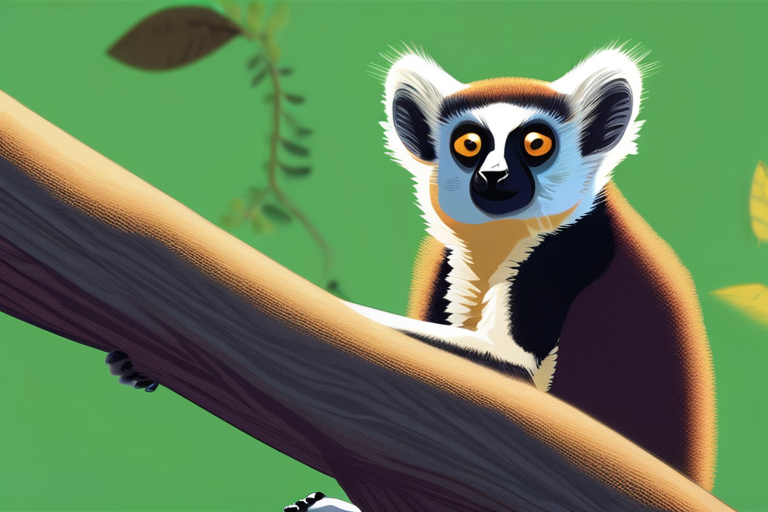
Shares of the endangered aye-aye, a type of lemur found only in Madagascar, have plummeted due to the devastating effects of climate change on the island nation's ecosystem. The aye-aye, a species of lemur known for its long, thin fingers and toes, has seen its population decline drastically in recent years as its habitat continues to shrink.
According to environmental correspondent Benji Jones of Vox, the aye-aye's numbers have been dwindling due to the increasing frequency and severity of droughts in Madagascar. "The aye-aye's habitat is being destroyed by the droughts, which are becoming more frequent and severe due to climate change," Jones explained. "This is having a devastating impact on the species, and it's not just the aye-aye that's being affected - many other species are also struggling to survive in this changing environment."
The aye-aye's decline has been particularly pronounced in the Réserve Spéciale Ambohitantely, a protected area in the Afovoantany region of Madagascar. In September, a severe drought struck the area, causing widespread destruction and leaving many animals without access to food and water. "The aye-aye is a highly specialized species that requires a specific type of habitat to survive," said Jones. "When its habitat is destroyed, it's almost impossible for the species to recover."
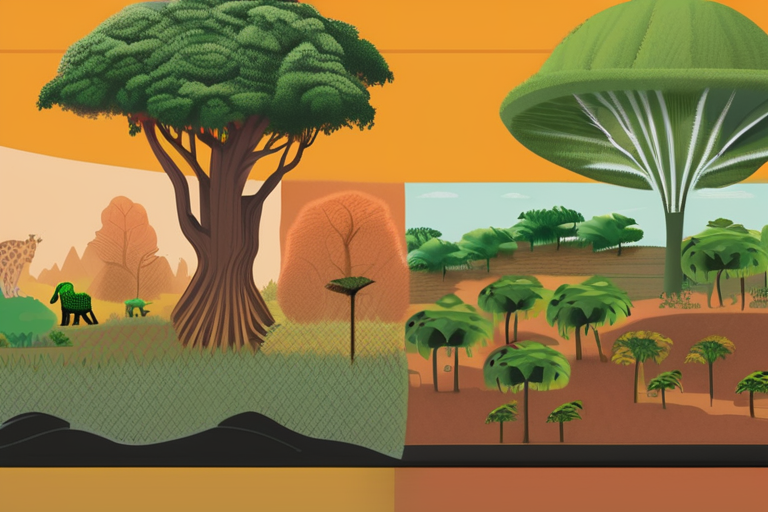
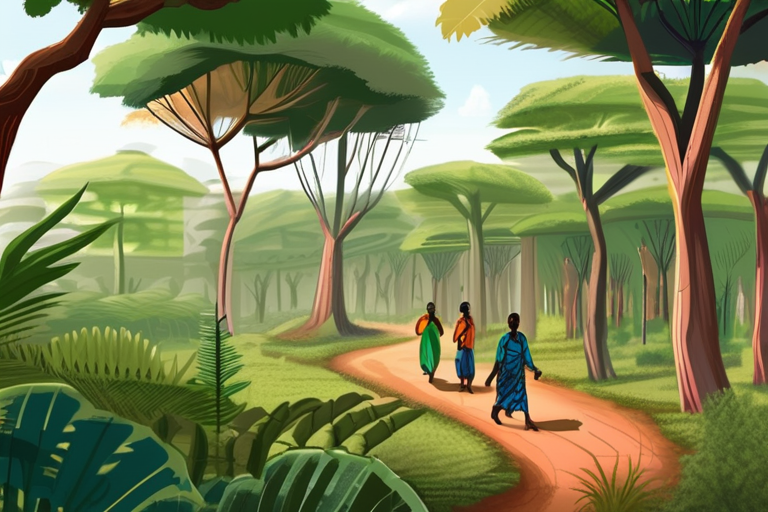
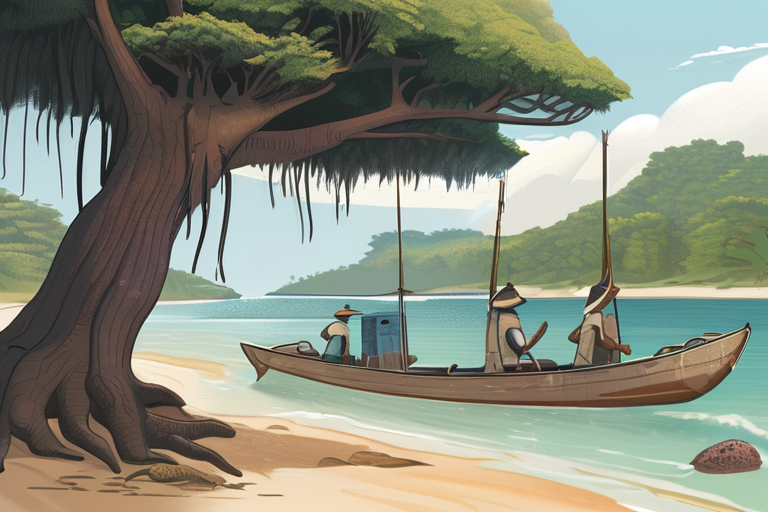
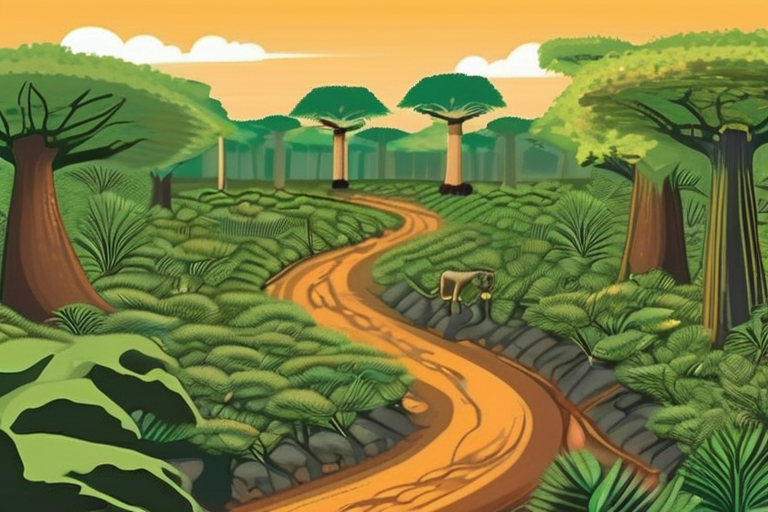
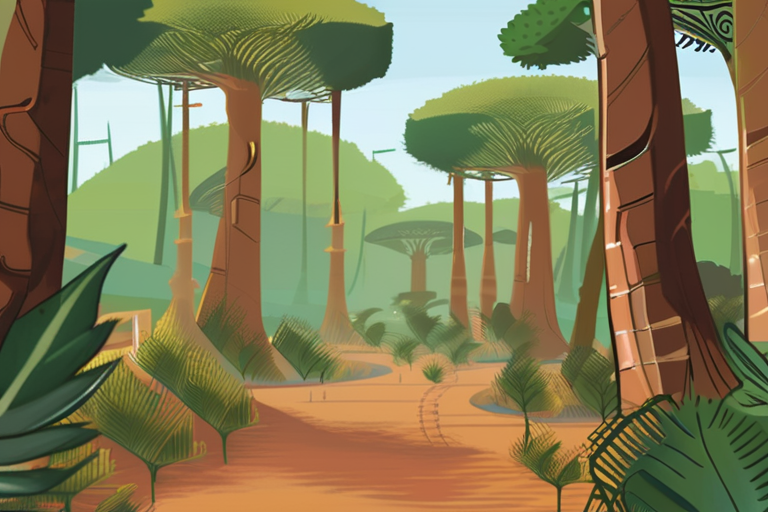
Madagascar is home to a unique and diverse array of wildlife, including many species that are found nowhere else on Earth. However, the island nation's ecosystem is under increasing pressure from climate change, deforestation, and other human activities. "Madagascar is one of the most biodiverse countries in the world, but it's also one of the most vulnerable to climate change," said Jones. "The aye-aye's decline is a stark reminder of the urgent need for action to protect the island's ecosystem and the species that call it home."
In an effort to mitigate the effects of climate change on Madagascar's ecosystem, conservationists are working to establish protected areas and restore habitats that have been damaged or destroyed. However, the task is daunting, and many experts believe that it may be too late to save some species. "The aye-aye is a critically endangered species, and it's unlikely that it will survive without significant conservation efforts," said Jones. "However, even if we are able to save the aye-aye, it's unlikely that we will be able to save all of the other species that are struggling to survive in this changing environment."
As the situation on the ground continues to deteriorate, conservationists are calling for urgent action to protect Madagascar's ecosystem and the species that call it home. "We need to take immediate action to address the root causes of climate change and to protect the island's ecosystem," said Jones. "If we don't, it's likely that many of the species that are found only in Madagascar will be lost forever."
Climate Change Devastates Madagascar's Unique Ecosystem, Threatening Aye-Aye Lemurs
1
0
Multi-Source Journalism
This article synthesizes reporting from multiple credible news sources to provide comprehensive, balanced coverage.














Share & Engage Share
Share this article